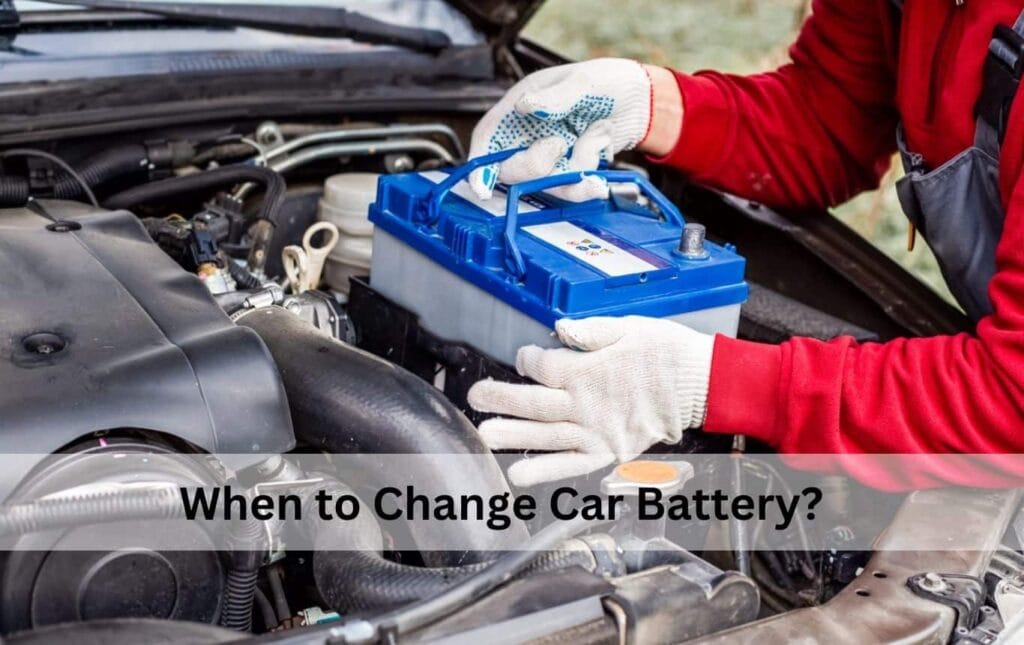
I remember one day my car did not start suddenly. That experience taught me how important it is to know when to change a car battery before problems happen.
When to Change Car Battery? (Short Answer)
Knowing when to change a car battery helps avoid sudden breakdowns. Most car batteries need replacement every 3 to 5 years, or earlier if starting becomes slow. Regular battery checks save time, money, and roadside trouble.
In this article, we will discuss When To Change Car Battery?
Introduction
Your car battery is like your vehicle’s heart. You usually forget it exists until one day it fails and leaves you stuck, reminding you how important it really is. One morning, your car won’t start, leaving you late, stressed, and scrambling to find help. Sounds familiar? Knowing when to change a car battery can save you from that headache.
Why Car Batteries Don’t Last Forever?
No battery lasts forever. Over time, chemical reactions inside the battery weaken. Think of it like a phone battery that doesn’t hold a charge the way it used to. Eventually, it just can’t keep up.
Why Timing Matters More Than You Think
Waiting too long to replace a battery is like ignoring a ticking clock. Change it too late, and you risk being stranded. Change it at the right time, and you enjoy peace of mind.
Average Lifespan Of A Car Battery
Standard Battery Lifespan Explained
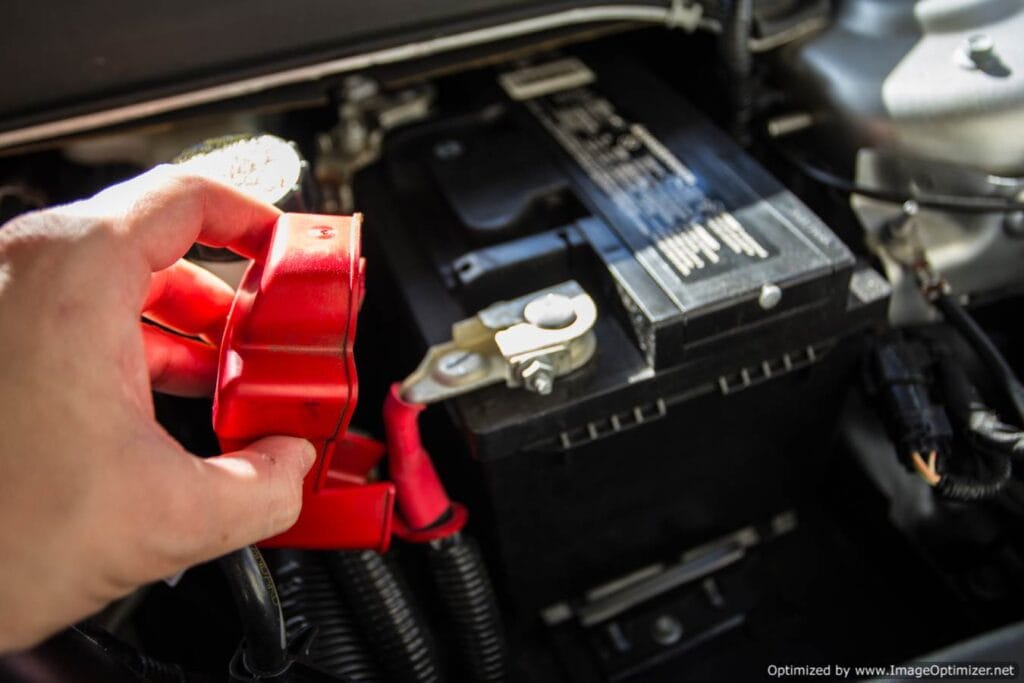
Most car batteries last 3 to 5 years. That’s the sweet spot. Some may go longer, but that’s the exception, not the rule.
How Does Climate Affect Battery Life?
Hot climates speed up chemical reactions, which sounds good, but it actually shortens battery life. Cold climates, on the other hand, make it harder for batteries to deliver power.
Driving Habits and Battery Wear
If your car mostly takes short trips, the battery never fully recharges. Over time, this leads to early failure.
Signs Of A Weak Or Bad Battery
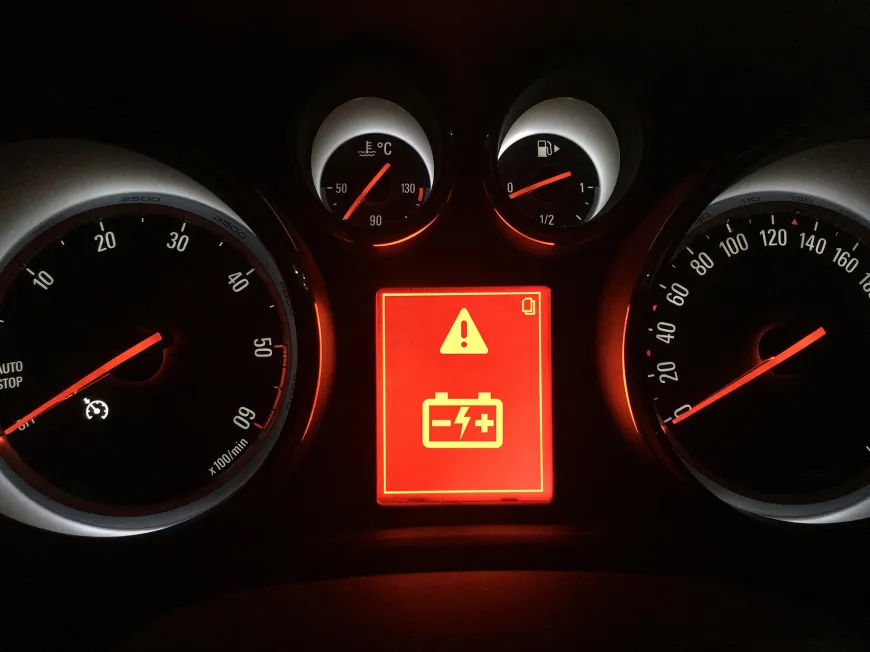
- Dim headlights: Lights look weak, especially at idle.
- Slow or clicking start: The engine takes longer to start or clicks.
- Electrical problems: Radio, windows, or screen work poorly.
- Warning signs: Battery light, bad smell, or swollen battery case.
Factors Affecting Battery Life
Several things affect how long a car battery lasts. Battery quality matters, but how you drive and where you live are just as important. Here are the main factors explained simply:
Time
Car batteries get old over time and don’t last forever. Even in good conditions, they slowly lose power.
Short trips don’t give the battery enough time to fully recharge. If a car sits unused for a long time, the battery can lose charge on its own. Using a maintenance charger can help keep it healthy.
Heat
Heat helps batteries work, but too much heat damages them faster. In cooler places, batteries can last 5 years or more. In hot areas, they often last around 3 years.
High engine heat can harm the battery, so carmakers may:
- Place the battery away from the engine.
- Add a heat shield
- Install the battery in the trunk or under a seat.
Vibration
Too much shaking can damage the inside of the battery. A loose or missing battery holder lets the battery move, which shortens its life. Keeping it tightly secured helps a lot.
Other Important Points
A faulty charging system can reduce battery life by charging too much or too little. Some modern cars use AGM batteries, which need correct charging to last longer. Letting a battery go completely dead can also shorten its life, even if it works again after charging. Taking care of these factors can help your car battery last longer and work better.
Choosing the Right Replacement Battery (Simple Explanation)
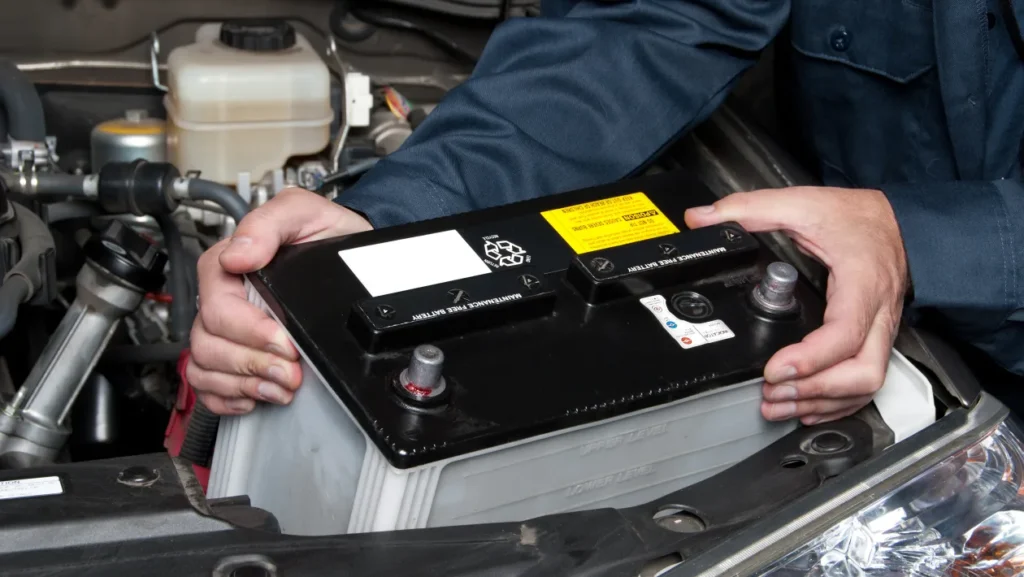
There is no single battery that fits every car. I’ve learned that the battery type, size, terminal position, and power rating must match your car for safe and proper use. Using an incompatible battery can harm your car’s electrical system or even lead to a short circuit. If you’re unsure, always check the owner’s manual or ask a mechanic.
Key Things to Check Before Buying a Battery
- Battery Type: Affects performance and lifespan
- Group Number: Ensures correct size and terminal position
- Cold Cranking Amps (CCA): Measures how well the battery can start your car in cold temperatures.
- Amp-Hour (Ah): How long the battery can supply power
Battery Types
Most cars use flooded lead-acid batteries. Some newer cars use AGM batteries, which handle stop-start systems better. Always replace your battery with the same type your car came with.
Group Number
The group number (like Group 24) makes sure the battery fits correctly and connects safely. Imported cars may use different standards, so fitment is important.
CCA and AH Ratings
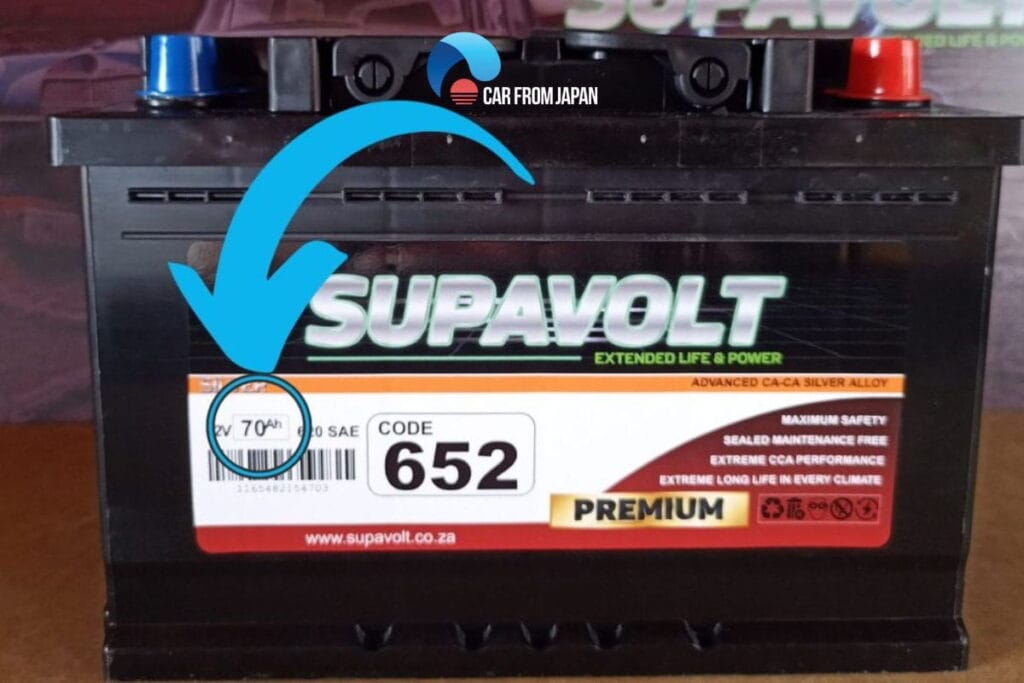
Use a battery with CCA or Ah ratings that meet or exceed your car’s needs. Higher ratings are fine if the battery fits, but in hot climates, they may not last as long.
Buying Tips
Buy from a trusted seller with fresh stock, and choose a battery with a 3-year or longer full-replacement warranty. Avoid batteries with short or prorated warranties.
How to Know If Your Car Battery Needs to Be Replaced?
You don’t need to be an expert to notice battery problems. From my experience, these are the most common signs that tell me it’s time for a new car battery:
- Headlights look dim or weak
- The car needs frequent jump-starts
- The engine takes longer to start
- Power goes up and down suddenly
If you notice one or more of these signs, your battery is likely near the end of its life.
Car Battery Price
Car battery prices vary based on the type, size, brand, and vehicle model. Standard batteries are usually affordable, but advanced or specialty batteries cost more. Always compare prices and warranties before buying.
What Causes Car Battery Deterioration?
Several common factors can cause a car battery to wear out faster than expected:
- Heat: In hot climates, high temperatures evaporate the liquid inside the battery, which shortens its life.
- Vibrations: Driving on rough roads can cause constant shaking, leading to early damage inside the battery.
- Frequent Jump-Starts: Often jump-starting your car, especially after leaving lights on, weakens the battery quickly.
- Time: Like all car parts, batteries naturally wear out over time, even with good care.
To know the right time to replace your battery, always check your owner’s manual or follow your service center’s maintenance schedule.
How to Test a Car Battery?
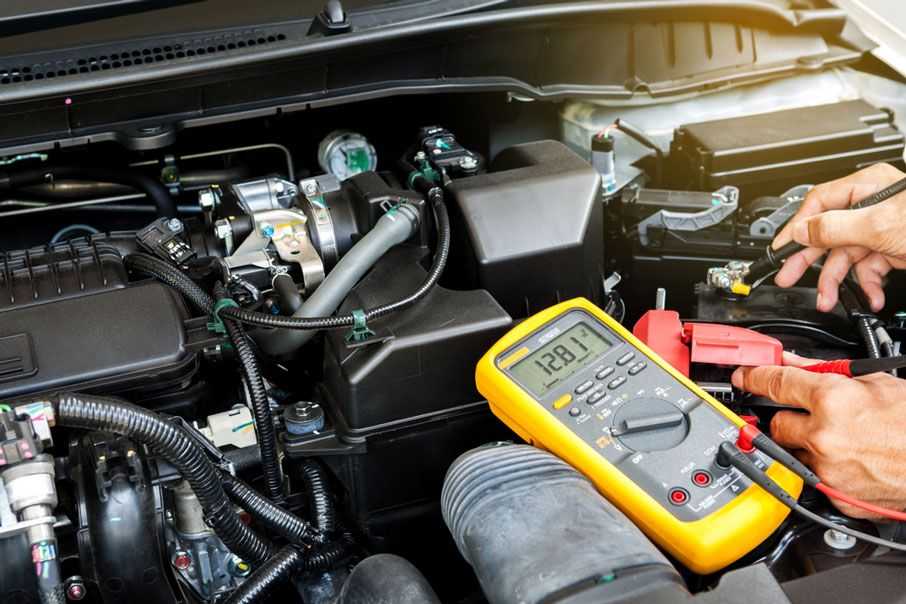
You can test your car battery in two simple ways. Either get it checked during regular car servicing, or test it yourself at home using the methods below.
1. The Headlight Test
This is a quick way to check your battery’s strength.
- Park your car safely and start the engine.
- Turn on the headlights.
- Gently rev the engine and watch the headlights.
What it means:
If the headlights get brighter when you rev the engine, your battery is weak and not supplying enough power while idling. In such cases, it’s recommended to take your car to a service center.
2. Using a Digital Multimeter
This method gives a more accurate result.
- Set the multimeter to 20 DC volts.
- Open the hood and touch the black probe to the negative terminal.
- Touch the red probe to the positive terminal.
- Turn on the headlights and check the reading.
Voltage guide (at 80°F / 27°C):
- 12.5V or higher: Battery fully charged
- 12.3V: About 75% charge
- 11.8V or lower: Battery is weak and should be replaced soon
Testing your battery early helps you avoid sudden breakdowns and keeps your car running smoothly.
How Much Is a Replacement Car Battery?
The price of a replacement car battery depends on the type of vehicle and battery you need. A standard car battery usually costs between $75 and $100. If you choose a premium or high-performance battery, the price can go up to $200.
For hybrid vehicles, battery replacement is much more expensive. Hybrid batteries can cost anywhere from $1,000 to $6,000. While this is a high upfront cost, it is often balanced out by better fuel savings over time compared to regular gasoline cars.
How Often to Replace a Car Battery?
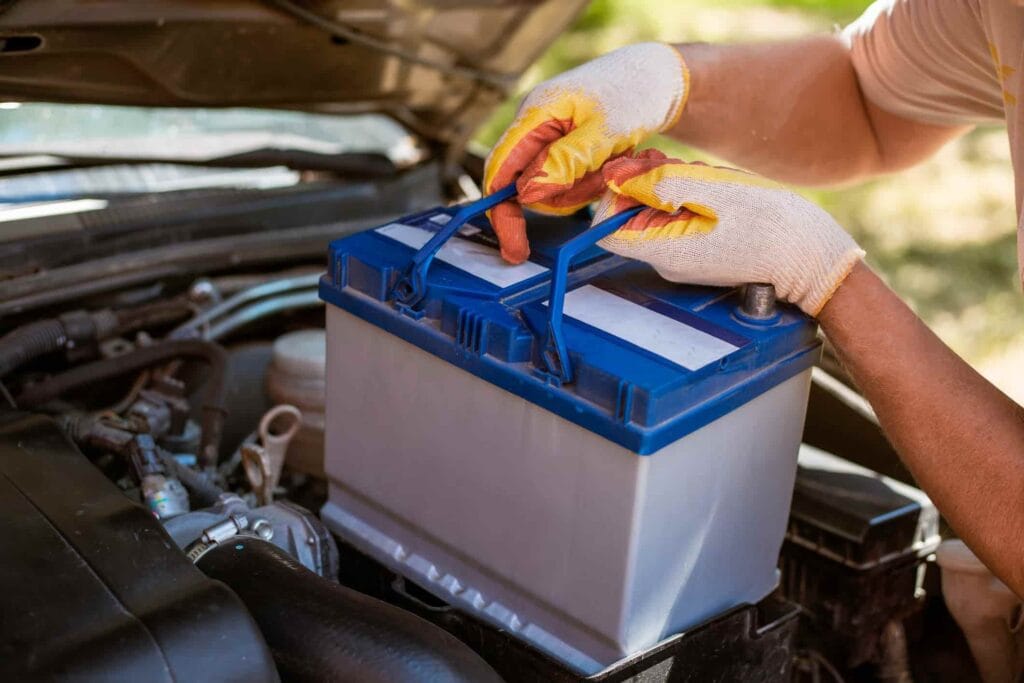
In general, car batteries should be replaced every 3 to 5 years. However, extreme weather, short trips, and heavy use of electronics can shorten battery life. Regular testing helps avoid sudden failure.
Replace Your Car Battery Before Starting …
Replacing your car battery before it completely fails helps you avoid sudden breakdowns, missed appointments, and emergency costs. A weak battery can leave you stranded without warning.
5 Signs To Look Out For When To Change A Car Battery
- Slow engine start: The car takes longer than usual to start.
- Dim headlights: Lights appear weak, especially at night.
- Frequent jump-starts: needing jump-starts more often than normal.
- Warning light on dashboard: Battery or check engine light turns on.
- Electrical problems: Power windows, radio, or screen act strangely.
When to Replace a Car Battery: 4 Signs It Requires Changing
- The battery is over 3 years old: older batteries fail more easily.
- Car struggles to start: even in normal weather conditions.
- Visible corrosion or swelling: signs of internal damage.
- Battery won’t hold a charge: loses power quickly after charging.
Watching for these signs can help you replace your battery before it fails completely.
How Often Should You Change a Car Battery?
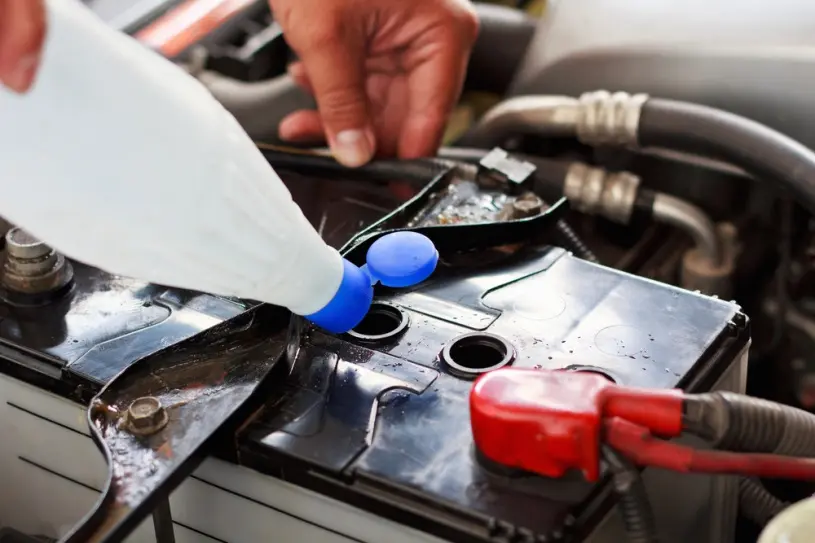
Typically, car batteries need to be replaced every 3 to 5 years. Hot weather, short trips, and heavy use of electronics can shorten battery life. Regular testing after three years helps avoid sudden failure and unexpected breakdowns on the road.
At What Charge Percentage Should A Car Battery Be Replaced?
A car battery should be replaced if it stays near 50% charge or below and does not recover after charging or driving. If the voltage drops under 12.0 volts repeatedly, it means the battery can no longer hold enough power reliably.
How Do You Know When a Car Battery Is Giving Out?
A car battery is giving out when the engine starts slowly, the headlights look dim, the electronics act strangely, or the car needs frequent jump-starts. Warning lights on the dashboard and power loss while driving are also common signs of a weak battery.
Should You Replace a Five-Year-Old Battery?
Yes, replacing a five-year-old battery is a smart decision. Even if it still works, internal parts are worn, and failure can happen suddenly. In hot climates especially, older batteries often die without warning, causing inconvenience and extra costs.
FAQs
1. When to Replace the Battery?
Replace your car battery when it struggles to start the engine, shows warning lights, needs frequent jump-starts, or is older than 3 to 5 years.
2. When Should I Replace My Car’s Battery?
You should replace your car’s battery every 3–5 years, or sooner if you notice slow starts, dim headlights, or electrical problems.
3. How Often Do You Change Your Car Battery?
Most drivers change their car battery every 3 to 5 years, depending on climate, driving habits, and battery quality.
4. How Do I Know When My Car Needs a New Battery?
Your car needs a new battery if the engine cranks slowly, the lights look weak, the electronics act oddly, or the battery warning light appears.
5. Should You Replace A Car Battery At 50%?
Not always. If the battery stays near 50% charge and does not recover after charging or driving, replacement is recommended.
6. What Is The Lifespan Of A Car Battery?
The average lifespan of a car battery is 3 to 5 years. Hot weather, short trips, and heavy use of electronics can reduce battery life.
7. What Drains a Car Battery When the Car Is Off?
Interior lights, alarms, dash cams, faulty wiring, and leaving the car unused for long periods can drain a car battery when the car is off.
8. When To Change Car Battery Toyota?
Toyota recommends changing the car battery every 3 to 5 years. Replace it sooner if the car starts slowly or warning lights appear.
9. Should I Replace My Car Battery Before It Dies?
Yes, replacing your car battery before it dies helps prevent sudden breakdowns, towing costs, and being stranded unexpectedly.
10. When to Change Car Battery Voltage?
Change your car battery if the voltage stays below 12.0 volts and does not improve after charging or driving.
11. How Often to Replace Car Battery Miles?
Most car batteries last about 30,000 to 60,000 miles, depending on driving conditions, climate, and battery quality.
12. How to Know if a Car Battery Needs to Be Replaced or Charged?
If charging restores power, the battery is fine. If power drops again quickly, the battery needs replacement.
13. How Often to Change Car Battery Honda?
Honda car batteries should usually be changed every 3 to 5 years. Hot weather, short trips, and frequent use of electronics may require earlier replacement.
14. How Long Does A Car Battery Last?
A car battery typically lasts 3 to 5 years. Battery life depends on climate, driving habits, maintenance, and the quality of the battery.
15. Do Car Batteries Need to Be Changed?
Yes, car batteries need to be changed over time. As batteries age, they lose their ability to hold a charge and may fail without warning.
16. Should I Replace My Car’s Battery or Wait for It to Die?
It is better to replace your car’s battery before it dies. Waiting can lead to sudden breakdowns, missed plans, and higher emergency costs.
17. Do You Replace The Battery On A Car As A Preventative Measure, Or Do You Wait Until It Breaks?
Replacing a car battery as a preventative measure is safer. Older batteries can fail suddenly, so early replacement avoids breakdowns and stress.
Conclusion
Knowing when to change a car battery helps you avoid sudden breakdowns and stress. From my experience, regular testing and timely replacement every 3 to 5 years saves money and keeps your car reliable. Replacing the battery early is always better than waiting for failure.