When I first learned about cars, I was confused about car batteries. After my car stopped once, I learned how they work, and now I want to explain it simply to you.
Is a car battery AC or DC? (Short Answer)
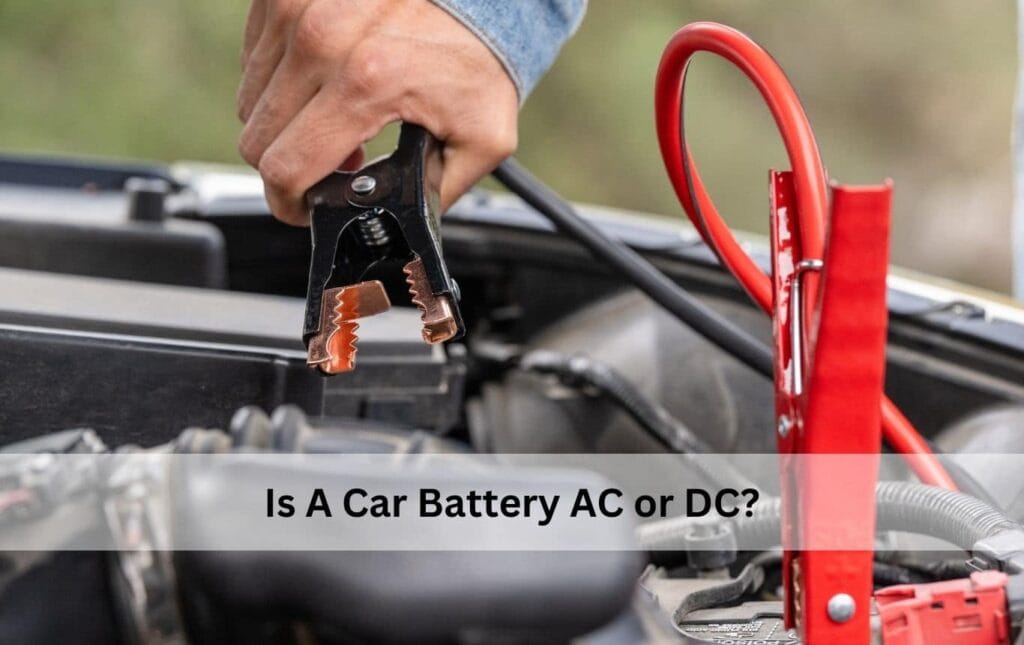
A car battery provides direct current (DC), where electricity moves consistently in a single direction. This DC power is essential for starting the engine and running car electronics safely.
In this article, we will discuss Is a Car Battery AC or DC?
How Does a Car Battery Work?
A car battery works by storing energy and sending power to start the engine and run lights and electronics. It uses a chemical reaction to provide steady electricity until the engine starts and the alternator takes over.
What Is DC Power?
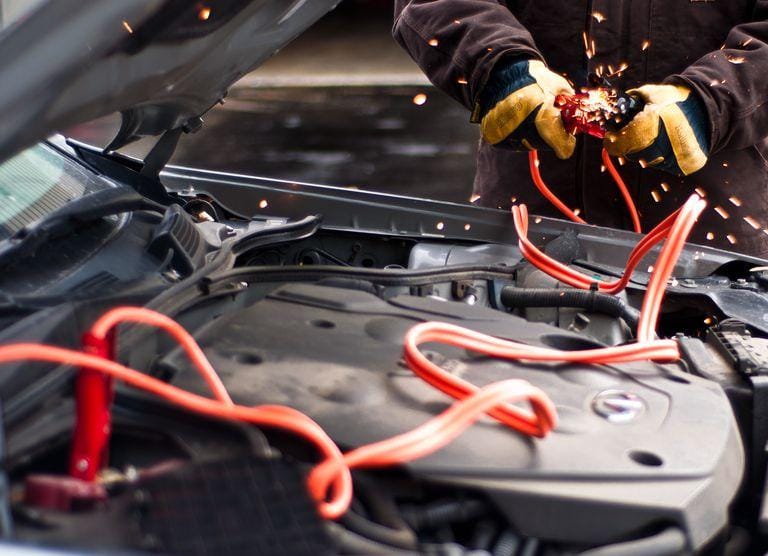
DC power means Direct Current. Electricity flows in only one direction. Batteries use DC power to run devices like cars, phones, and torches. It gives steady and safe power, which is why it is used for electronics and stored energy systems.
What Is AC Power?
AC power means alternating current. Electricity changes direction again and again. Homes and offices use AC power because it travels long distances easily. Fans, refrigerators, and air conditioners work on AC electricity supplied through wall sockets.
Is Electricity AC or DC?
Electricity can be both AC and DC. Power plants send AC electricity to homes and cities. Batteries store DC electricity. So, wall sockets give AC power, while batteries provide DC power. Both types are important and used for different purposes in daily life.
What Is The Difference Between Alternating Current (Ac) And Direct Current (Dc)?
| Feature | AC | DC |
| Flow | Changes direction | One direction only |
| Source | Wall sockets | Batteries, car battery |
| Usage | Home appliances | Cars, phones, electronics |
Why Does a Car Use DC Power?
Cars use DC power because it flows in one steady direction. This makes it safe and reliable for starting the engine and running electronics like lights, sensors, and the radio. DC power works perfectly with car batteries, which store energy chemically for consistent use.
Why AC Power Is Not Suitable for Car Batteries?
AC power is not suitable for car batteries because it changes direction constantly. Batteries cannot store electricity that keeps switching back and forth. Using AC could damage the battery and electronics. That’s why car systems rely on DC, which provides stable and safe power for all components.
Where Does AC Fit In?
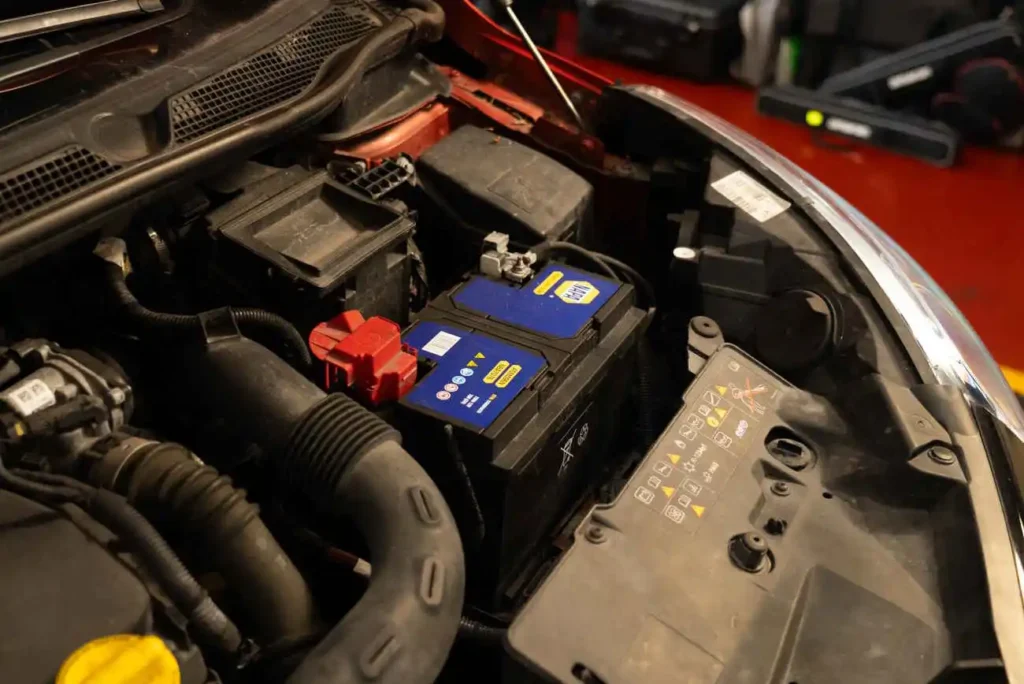
AC comes into play through the car’s alternator. The alternator generates AC electricity, which is then converted into DC by a rectifier. This DC charges the battery and powers the car’s electronics while driving. So, AC is used only briefly and indirectly in the car system.
Battery Chemistry and Direct Current
Car batteries use chemical reactions to produce electricity. These reactions naturally generate DC power, flowing in a single direction. This steady flow is ideal for storing energy safely and powering car systems. The battery’s chemistry makes it impossible to produce AC directly inside the battery.
What Type Of Current Does A Car Battery Provide?
A car battery provides DC (Direct Current) power. This means electricity flows in one direction only, making it stable and safe for the engine and electronics. Whether the battery is lead-acid, AGM, or lithium, it always delivers DC to start the car and run all electrical components efficiently.
Do Different Battery Types Use Different Current?
No, all car battery types, lead-acid, AGM, or lithium, use DC power. The chemistry and design may differ, but the current type remains the same. DC is necessary for starting the engine, charging, and powering electronics. AC is never directly stored in any car battery type.
How Does a Car Battery Work With DC Power?
A car battery stores energy chemically and delivers DC power to start the engine and run electronics like lights, sensors, and the radio. The DC flows in one direction, providing steady and safe electricity until the engine starts and the alternator takes over charging.
What Is The Role Of An Alternator?
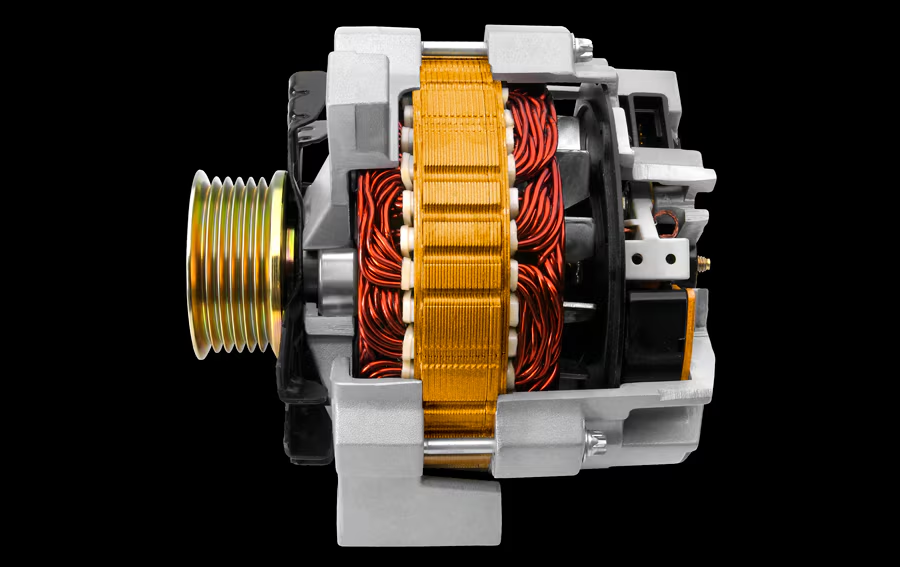
The alternator produces AC electricity while the engine runs. This AC is converted into DC by a rectifier to charge the car battery and power electronics. It keeps the battery full and ensures the car’s electrical systems work smoothly during driving.
Applications and Devices That Convert Between AC and DC
Some devices convert AC to DC or DC to AC. For cars, the alternator’s rectifier changes AC to DC to charge the battery. Other examples include phone chargers (AC to DC) and inverters (DC to AC). These converters let electronics safely use the electricity type they need.
How to Choose the Right Car Battery for Your Vehicle?
Choose a battery based on your car’s voltage, size, and climate. Check the cold-cranking amps (CCA) for cold starts and reserve capacity for electronics. Lead-acid, AGM, or lithium batteries are options, but all provide DC power, so pick the one that fits your car and driving needs.
How Do the Alternator and Battery Work Together?
The battery and alternator work as a team. The battery provides DC power to start the car, while the alternator generates AC, converts it to DC, and recharges the battery. Together, they keep the car running and all electronics powered, whether the engine is on or off.
Car Batteries Deliver DC Power: Here’s Why
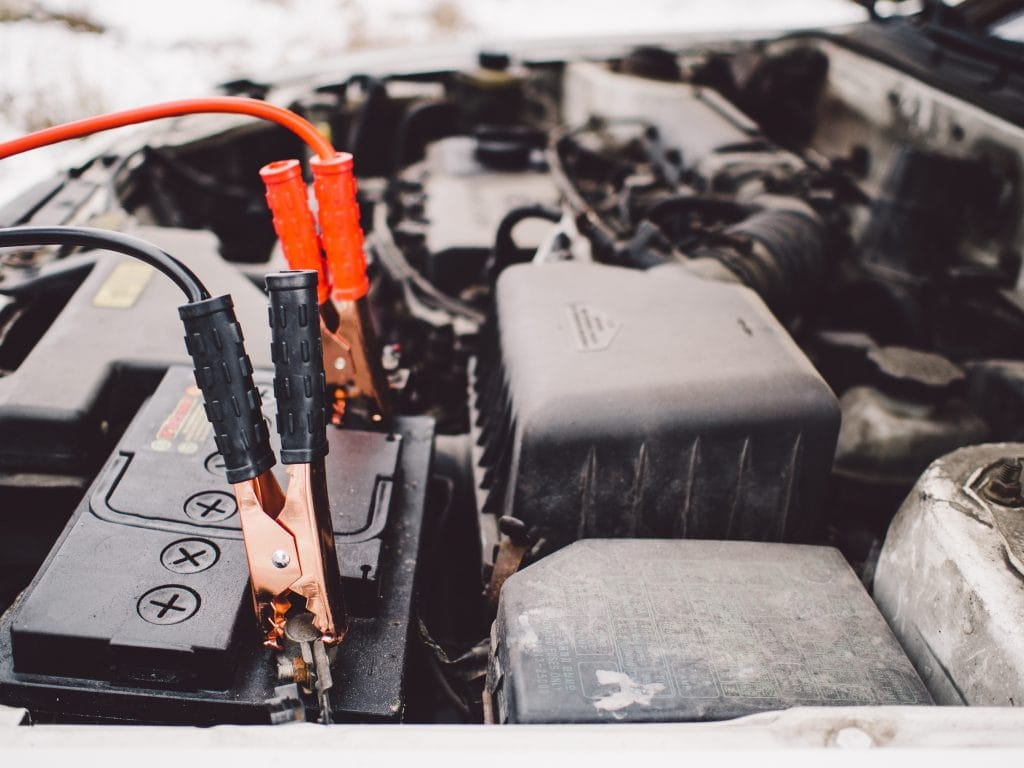
Car batteries deliver DC (Direct Current) because it flows in one steady direction. This steady flow is perfect for powering electronics, starting the engine, and storing energy chemically. DC is stable, safe, and compatible with the car’s electrical system, unlike AC, which changes direction constantly.
Why Do Car Batteries Use DC Instead of AC?
Car batteries use DC because AC constantly changes direction, and batteries cannot store AC energy. DC provides a steady, reliable flow of electricity that powers the engine, lights, and electronics. This stability protects sensitive car systems and ensures the battery can hold and deliver energy efficiently.
How Your Battery Gets Recharged (And It’s Still DC)?
When the engine runs, the alternator produces AC power, which passes through a rectifier to become DC. This DC recharges the car battery and powers electronics simultaneously. So even though AC is generated briefly, your battery always stores and supplies DC power for safe, reliable operation.
Are Lithium Car Batteries Different From Lead-Acid?
Yes, lithium car batteries are different from lead-acid batteries. Lithium batteries weigh less, have a longer lifespan, and recharge more quickly. Lead-acid batteries are heavier, cheaper, and more common. Both provide DC power and work with car systems, but lithium batteries are more efficient and modern in design.
How Car Batteries Actually Work?
A car battery stores energy using chemical reactions and supplies DC power to start the engine. It also powers lights, sensors, radio, and computers when the engine is off. Once the engine starts, the alternator recharges the battery and keeps everything running smoothly.
Your Car Battery Does More Than You Think

Your car battery doesn’t just start the engine. It supports safety systems, runs electronics, stabilizes voltage, and provides backup power. Even while driving, it helps protect sensitive components by keeping the electrical system stable and reliable.
Lithium Vs. Lead-Acid: The Quick Breakdown
| Feature | Lithium | Lead-Acid |
| Weight | Light | Heavy |
| Life | Longer | Shorter |
| Charging | Fast | Slow |
| Cost | Expensive | Cheap |
| Power Type | DC | DC |
What Makes Lithium Batteries Smarter?
Lithium batteries are smarter because they are lighter, charge faster, and last longer. They have built-in safety systems that protect from overcharging and damage. This makes them more efficient and reliable for modern cars.
How Your Battery Gets Recharged (And It’s Still DC)?
When your car engine runs, the alternator makes electricity. This electricity is changed from AC to DC before reaching the battery. The battery stores only DC power. This DC power is then used to run car electronics and start the engine safely and smoothly.
FAQs
1. Can a Car Use AC Power?
No, cars mostly use DC power. AC electricity is only created inside the alternator and immediately converted into DC to charge the battery and run electronics safely.
2. Is A Car Alternator AC or DC?
The alternator produces AC (alternating current) power, but it cannot charge the battery directly. A built-in rectifier converts this AC into DC, which the battery can safely store and use.
3. Are Car Lights AC or DC?
Car lights run on DC (Direct Current) power. The battery supplies DC, which flows in one direction, making it safe and reliable for headlights, indicators, and interior lights.
4. Is a house AC or DC?
Homes use AC (alternating current) power. AC can travel long distances efficiently from power plants to houses. Appliances like fans, TVs, and refrigerators use AC power directly.
5. Is A Battery AC or DC?
Batteries always provide DC (Direct Current) power. DC flows in a single direction, making it safe for electronics, vehicles, and devices. Batteries cannot store AC power directly.
6. Is a 12V Car Battery AC or DC?
A 12-volt car battery provides DC power. This direct current flows in one direction, powering the starter, lights, sensors, and other electronics reliably in a car system.
7. Is A 12 Volt Car Battery AC or DC?
Yes, it is DC. All 12-volt car batteries supply direct current only. The DC flows steadily, ensuring the engine starts and the car electronics work safely.
8. Can You Use A Multimeter To Test A Car Battery?
Yes, a multimeter can test a car battery. Set it to DC volts, connect the probes to battery terminals, and read the voltage to check battery health accurately.
9. How Do I Know If My Battery Is AC or DC?
All car batteries are DC. If it’s a standard car battery, it supplies direct current. Batteries cannot store AC, so any regular car battery is always DC.
10. What Happens If You Plug AC Into DC?
Connecting AC to a DC device can damage it. The battery or electronics may overheat, short-circuit, or fail because AC flows back and forth, which batteries cannot store.
11. How Does A Car Battery Produce Electricity?
A car battery produces electricity using chemical reactions inside. These reactions create electrons that flow in one direction as DC, powering the starter, lights, and car electronics safely.
12. Can AC Power Be Used in a Car?
No, AC is not used directly in cars. Only DC powers the battery and electronics. AC exists inside the alternator but is converted to DC before use.
13. What Happens If You Connect A Car Battery To AC Power?
Connecting AC directly to a car battery is dangerous. It can damage the battery and electronics or cause overheating and sparks because batteries can only store DC safely.
14. How Does The Alternator Work With The Battery In A Car?
The alternator makes AC while the engine runs, then converts it to DC using a rectifier. The DC recharges the battery and powers electronics, keeping the car running smoothly.
15. Is A Car Cigarette Lighter AC or DC?
Yes, a car cigarette lighter provides DC power. It uses the battery’s direct current, which flows steadily and safely to power devices or chargers plugged into it.
Conclusion
Car batteries always provide DC (Direct Current) power, which flows steadily and safely to start the engine and run electronics. AC power is never stored in batteries, though the alternator briefly produces AC and converts it to DC. DC ensures the reliability, safety, and efficient operation of all car systems.