I remember when my car wouldn’t start, and I had to use jumper cables. After it happened again, I wondered how many times you can jump a car battery safely.
How many times can you jump a car battery? (Short Answer)
You can jump-start it a few times, but it should not happen often. If you need more than 2–3 jump-starts in a short time, the battery may be weak or damaged. Frequent jump-starts mean it’s time to test or replace your car battery.
In this article, we will discuss how many times can you jump a car battery.
Introduction
A car battery provides the power needed to start the engine and run electrical components. Sometimes batteries lose charge due to lights left on, extreme weather, or aging.
Jump-starting helps restore temporary power using another battery. However, frequent jump-starts may indicate deeper battery or charging system problems needing inspection or replacement.
How Many Times Can You Jump a Car Battery?
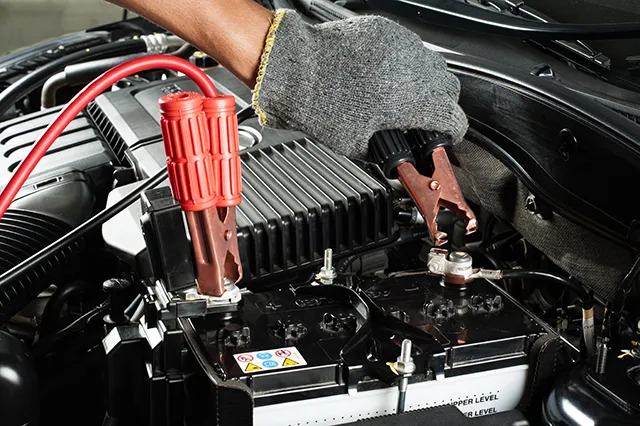
You can jump a car battery several times, but it is not a permanent solution. Repeated jump-starts usually mean the battery cannot hold a charge properly. Most batteries tolerate only a few jump-starts before performance declines.
If jump-starting becomes frequent, replacing or testing the battery is recommended for reliability.
Can a Car Battery Be Too Dead to Jump Start?
Yes, a car battery can become too dead to jump-start. If the battery has internal damage, severe corrosion, or extremely low voltage, jump-starting may not work. In such cases, the battery cannot accept power. A replacement battery or professional inspection is usually required to restore vehicle operation.
How Long Does It Take to Jump a Car Battery?
Jump-starting usually takes five to ten minutes. After connecting the jumper cables correctly, allow the working battery to transfer power. Sometimes it takes longer if the battery is very weak. Once the vehicle starts, letting the engine run helps recharge the battery through the alternator.
What Happens When You Jump-Start Your Car? The Wrong Way?
Incorrect jump-starting can cause serious damage to vehicle electrical systems. Reversing cable connections or creating sparks may harm components. It can damage the battery, cables, alternator, and onboard electronics.
Following correct jump-start procedures ensures safety and prevents costly repairs or sudden electrical failures.
Damage to the Car Battery
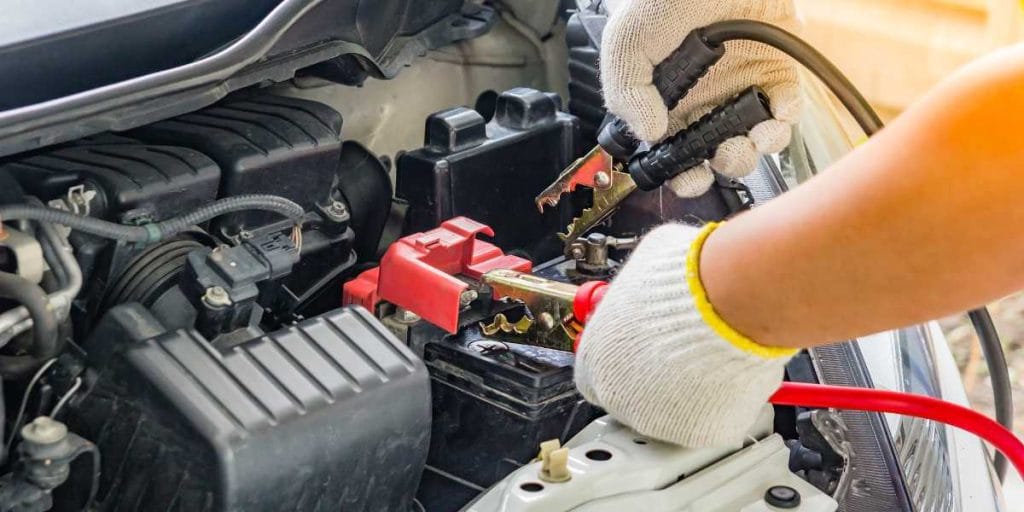
Wrong cable connections can overheat or short-circuit the battery. This may reduce battery lifespan or cause leakage and swelling. Severe mistakes may permanently damage internal battery cells, making them unable to hold a charge. A damaged battery often requires replacement to avoid starting issues and safety risks.
Damage to Jumper Cables
Improper use of jumper cables can melt insulation or burn connectors. High electrical current caused by incorrect connections may damage cable wiring. Damaged cables cannot safely transfer power and may create sparks. Using quality cables and the proper connection order helps maintain safety and ensures effective jump-starting.
Damage to the Alternator
Incorrect jump-starting can harm the alternator by causing voltage spikes. The alternator recharges the battery when the engine is operating. Electrical surges can weaken internal components and reduce charging efficiency.
A damaged alternator may lead to battery drainage and recurring starting problems requiring repair.
The Do’s and Don’ts of Jump-starting a Car
Do’s:
- Follow the correct cable connection order.
- Use high-quality jumper cables. cables.
- Keep both vehicles stable and secure.
Don’ts:
- Do not connect cables in reverse.
- Avoid creating sparks near the battery.
- Never jump-start a leaking or damaged battery.
Following proper steps prevents accidents and vehicle damage.
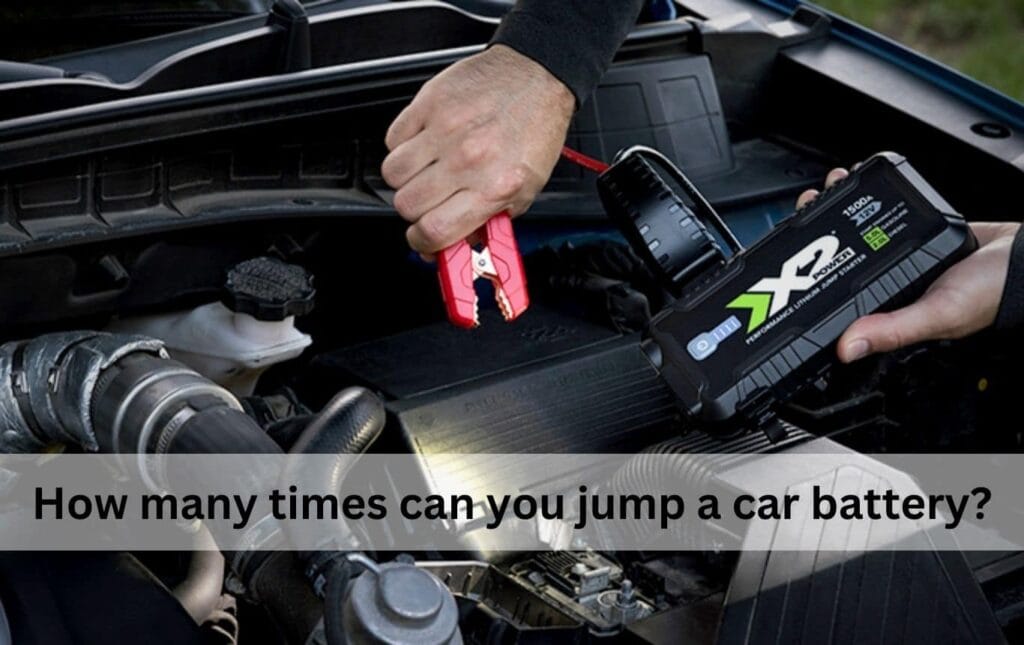
How many times can I use the product to jump-start a car on a single charge?
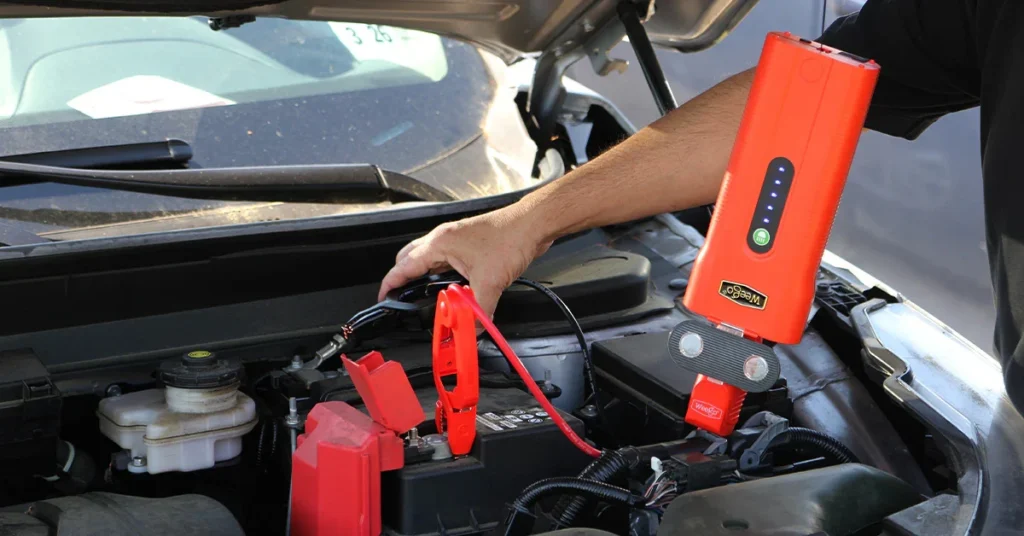
A portable jump starter can usually jump-start a car between 10 and 20 times on a full charge. The exact number depends on battery capacity, engine size, and temperature. Larger engines require more power.
Recharging the device after several uses ensures reliable performance and longer product life.
How Long Should a Car Run After Getting a Jump?
After a jump-start, a car should run for at least 20 to 30 minutes. This gives the alternator time to send charge back to the battery. If the battery is very weak, a longer drive may be required. Turning the car off too soon may cause the battery to lose charge again.
Steps to Jump-Start Your Car
- Park both vehicles close but not touching.
- Turn off both engines
- Connect the positive cable to the dead battery.
- Connect the positive cable to the working battery.
- Connect the negative cable to the working battery.
- Attach the final negative cable to the metal ground. ground.
- Start the working car, then the dead car.
Why Should You Keep a Car Running After a Jump?
Keeping the car running after a jump-start allows the alternator to recharge the battery. If the engine is turned off quickly, the battery may not gain enough charge to restart the vehicle. Running the engine also helps stabilize electrical systems and reduces the risk of another breakdown.
How Long Does It Take to Charge a Car Battery?
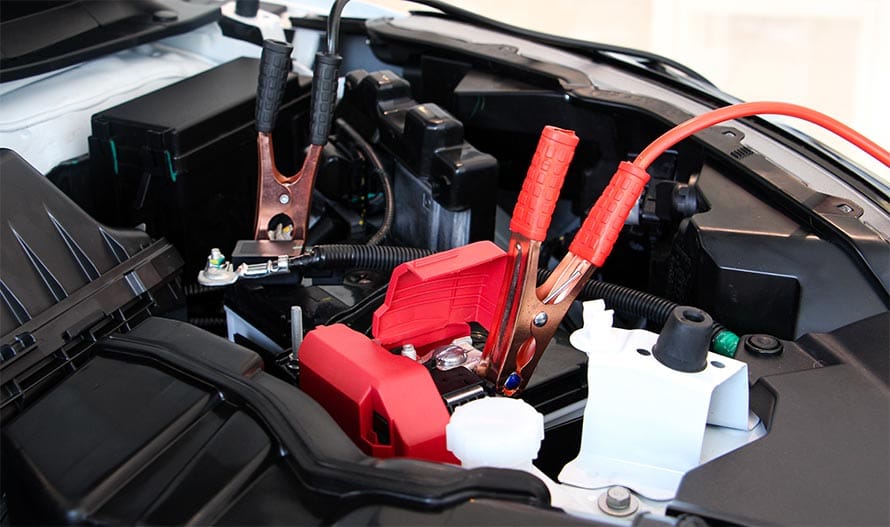
Charging a car battery can take from 30 minutes to several hours, depending on battery condition and charger type. Fast chargers reduce charging time, but slow charging is safer and improves battery life. Severely drained batteries may require extended charging or professional testing.
Signs of a Dying Battery
- Slow engine cranking
- Dim headlights
- Clicking sound when starting
- Weak electrical accessories
- Frequent need for jump-starts
- The battery warning light is on the dashboard.
These signs usually indicate the battery is losing strength and may need testing or replacement soon.
Tips to Keep Your Battery Healthy
Proper battery care improves performance and lifespan. Regular inspection, cleaning, and safe driving habits help maintain battery reliability. Preventive maintenance reduces the chances of sudden battery failure and ensures smooth vehicle operation.
Drive:
Driving your car regularly keeps the battery charged. Short trips do not allow enough time for the battery to recharge fully. Longer drives help the alternator restore power and maintain battery strength.
Find the Battery. Age:
Car batteries typically last three to five years. Checking the manufacturing date helps determine battery condition. Older batteries are more likely to fail suddenly and should be monitored closely or replaced before causing starting problems.
Clean the Battery:
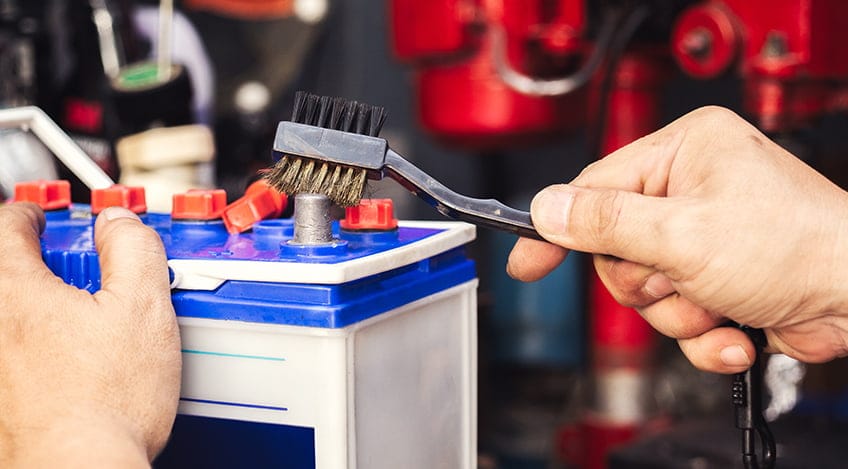
Corrosion on battery terminals can block electrical flow. Cleaning terminals regularly improves connection and performance. A mixture of baking soda and water can safely remove corrosion and extend battery life.
Charge Battery:
If the car is unused for long periods, charging the battery is important. Using an external charger helps maintain power levels. Proper charging prevents deep discharge and improves battery durability.
Test the Battery:
Battery testing checks voltage and overall health. Regular testing helps detect weak batteries early. Testing tools or professional inspections ensure reliability and reduce the risk of unexpected vehicle starting failures.
FAQs
1. How to Jump a Car Battery?
Connect the positive cable to both batteries first, then connect the negative cable to the working battery and a metal ground on the dead car. Start the working vehicle, wait a few minutes, then try starting the dead car safely.
2. Can You Rely on Constant Jump Starts?
No, constant jump-starting only provides temporary power. It usually means the battery or charging system is failing. Relying on jump-starts can lead to unexpected breakdowns and further damage to the electrical system over time.
3. Is It Bad to Jumpstart a Car Every Day?
Yes, jump-starting a car daily can damage the battery and alternator. It shows the battery cannot hold a charge properly. Frequent jump-starts increase wear on electrical components and often indicate the battery needs replacement or professional inspection.
4. Can You Fry a Car Battery by Jumping It?
Yes, incorrect cable connections or voltage spikes during jump-starting can damage internal battery cells. This can cause overheating, reduced performance, or complete battery failure. Proper jump-start procedures help prevent serious damage.
5. Can A Battery Be So Dead It Won’t Jump?
Yes, if the battery has internal damage, heavy corrosion, or extremely low voltage, it may not accept power from jump-starting. In such situations, the battery usually needs replacement rather than recharging.
6. How to Tell If It’s a Dead Battery or Alternator?
If the car starts with a jump but dies shortly after, the alternator may be faulty. If the car runs normally after a jump, the battery is likely the problem. Warning lights, dim lights, and repeated battery draining also help identify the issue.
7. Can You Ruin Your Battery by Jumping Another Car?
Yes, sometimes. Jumping another car can strain your battery, especially if it is weak or old. Improper cable connection or long jump attempts may also reduce battery lifespan and affect performance.
8. How Long to Jumpstart a Car with Jumper Cables?
Jump-starting usually takes about five to ten minutes. After connecting cables, allow the working battery to transfer power before attempting to start the vehicle. Weak batteries may require slightly more time.
9. How Many Times Can You Jump a Car Battery Before It Dies?
A battery can usually handle a few jump-starts, but repeated attempts weaken its internal cells. Frequent jump-starting often indicates the battery is near failure and may need testing or replacement soon.
10. Is It Bad To Keep Jump-Starting Your Car Battery?
Yes, Regular jump-starting stresses the battery, alternator, and wiring system. It may temporarily solve starting problems, but increases the risk of sudden breakdowns and costly repairs.
11. How Long Do You Leave Jumper Cables On Before Starting Car?
Jumper cables are usually left connected for two to five minutes before attempting to start the dead car. This allows enough power transfer. In very weak batteries, waiting slightly longer may help improve starting chances.
12. Does Jumping Someone’s Car Drain Your Battery?
Yes, slightly. Jump-starting another car uses power from your battery. However, if your engine is running and the battery is healthy, the alternator usually replaces the lost charge quickly.
13. How Long Does Jump Starting a Car Damage the Computer?
No, if done correctly. Proper jump-starting normally does not damage the vehicle computer. However, incorrect cable connections or voltage spikes can harm sensitive electronic systems and may cause expensive repairs.
14. How Many Times Can You Jump a Battery Before It Goes Bad?
A battery can tolerate a limited number of jump-starts. Excessive jump-starting weakens internal components and reduces their ability to hold a charge. Frequent jump-starts usually indicate that the battery is nearing the end of its lifespan.
15. Does Excessive Jumping A Car Battery Damage The Car Overtime?
Yes, repeated jump-starting puts stress on electrical components, including the alternator and wiring. Over time, this can lead to reduced efficiency, charging problems, and increased risk of system failures.
16. How Many Times Can Jump Pack Start Car W/O Being Plugged In?
Most jump packs can start a car 10 to 20 times on a single charge. Performance depends on engine size, temperature, and device capacity. Recharging the jump pack regularly ensures reliable emergency use.
17. Under What Circumstances Can a Car Battery Be Too Dead Allow a Jump Start?
A battery may be too dead if it has internal cell failure, severe corrosion, freezing damage, or extremely low voltage. In such cases, jump-starting may not work, and replacing the battery is usually necessary.
Conclusion
Jump-starting a car battery can be a helpful emergency solution, but it should not be relied on regularly. Frequent jump-starts usually indicate a weak or failing battery or a charging system issue.
Proper maintenance, timely testing, and safe jump-starting practices help extend battery life, improve vehicle reliability, and reduce the risk of unexpected breakdowns on the road.