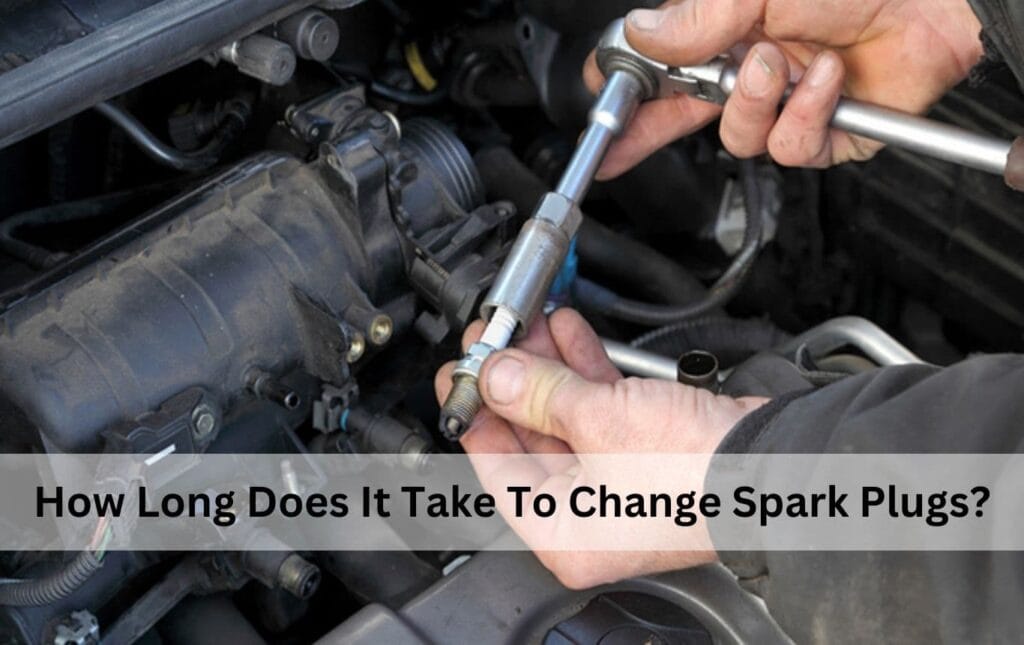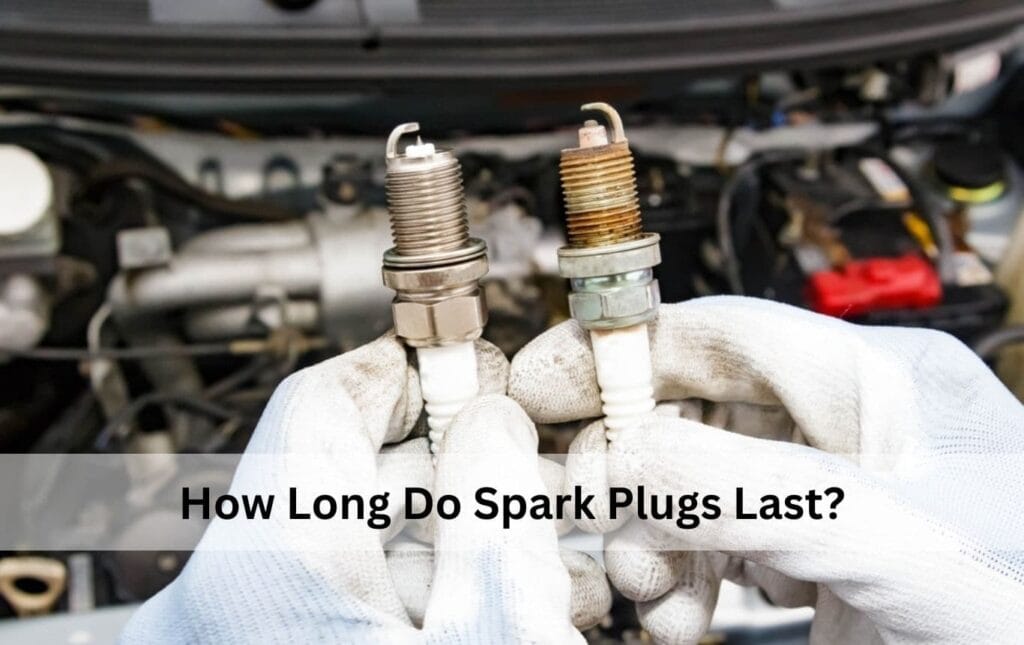
I learned from my own car that spark plugs do not last forever. Most work well for a long time, but regular checks help avoid engine trouble.
How Long Do Spark Plugs Last? (Short Answer)
Spark plugs usually last between 30,000 and 100,000 miles, depending on their type and usage. Regular checks keep your engine running smoothly and prevent costly repairs. Knowing how long spark plugs last saves time and money.
In this article, we will discuss how long do spark plugs last.
What Is A Spark Plug?
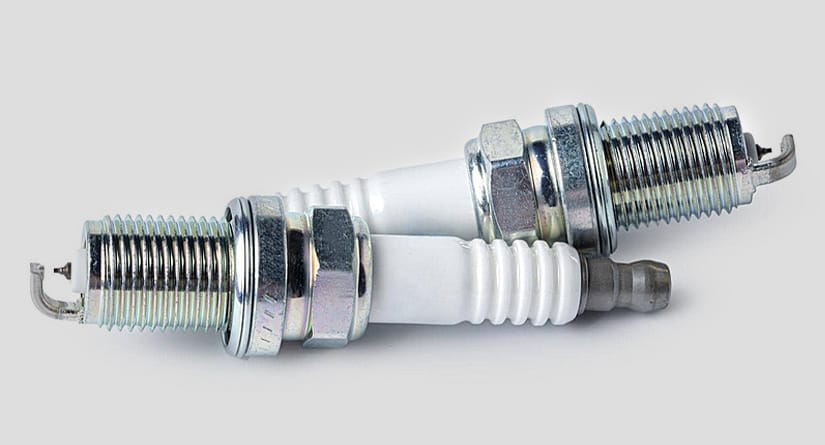
A spark plug is a small device in your car’s engine that creates a spark to ignite the air-fuel mixture. It helps start the engine and keeps it running efficiently. Spark plugs are essential for fuel combustion, engine performance, and smooth driving.
What Does A Spark Plug Do?
A spark plug delivers an electric spark to ignite the fuel-air mixture in the engine’s cylinder. This process powers the engine and ensures smooth acceleration, better fuel efficiency, and proper engine functioning. Without a spark plug, your car cannot start or run efficiently.
What a Spark Plug Actually Does (And Why It Matters)
Spark plugs control ignition timing and burn fuel efficiently. A worn or damaged spark plug can reduce power, increase fuel consumption, and cause engine misfires. Timely maintenance ensures your engine runs smoothly and lasts longer, making spark plugs vital for car performance.
Types of Spark Plugs
Copper Spark Plugs
Copper spark plugs are affordable and provide good performance. They heat up quickly but wear out faster than other types. Best for older or standard engines. Regular replacement is needed, usually around 20,000–30,000 miles, to maintain engine efficiency and prevent misfires.
Platinum Spark Plugs
Platinum plugs last longer than copper, providing better durability and performance. They resist corrosion and wear, typically lasting 60,000 miles. Ideal for modern engines needing low maintenance, they help improve fuel efficiency and reduce misfires over time.
Double Platinum Spark Plugs
Double platinum spark plugs have platinum on both electrodes, offering extra durability and stability. They last longer than single platinum plugs, often up to 100,000 miles. Designed for high-performance or long-lasting engines, they maintain consistent spark and better fuel efficiency.
Iridium Spark Plugs
Iridium spark plugs are premium and extremely durable. They provide reliable ignition, better fuel efficiency, and last up to 100,000 miles or more. Ideal for modern cars, high-performance vehicles, or engines requiring precision and longevity.
Silver Spark Plug System
Silver spark plugs offer excellent heat conductivity and performance. Mostly used in high-performance or racing engines, they help prevent overheating and ensure efficient combustion. Silver plugs require regular inspection and maintenance for optimal results.
How Long Do Spark Plugs Last?
Spark plugs typically last between 30,000 and 100,000 miles, depending on type, driving habits, and engine condition. Frequent inspections help keep the engine running smoothly and avoid misfires. Knowing how long spark plugs last helps avoid unexpected failures and costly repairs.
How Long Do Spark Plugs Last on Average?
On average, copper plugs last 20,000–30,000 miles, platinum around 60,000 miles, and iridium up to 100,000 miles. Usage and maintenance affect lifespan. Checking spark plugs regularly helps maintain fuel efficiency and prevents engine performance issues.
How Long Do Spark Plugs Last? A Practical Guide From Camden Chevrolet
Most spark plugs last 30,000–100,000 miles, depending on material and engine type. Copper needs frequent replacement; platinum and iridium last longer. Inspecting plugs during routine service ensures smooth running, fuel efficiency, and prevents engine misfires.
How Often Should I Replace Spark Plugs?
Replace spark plugs according to type and manufacturer recommendations: copper every 20–30k miles, platinum 60k, and iridium 100k miles. Check engine performance, misfires, or rough idling to know if early replacement is needed.
When Do I Change My Spark Plugs?
Change spark plugs when your car shows slow acceleration, rough idling, misfires, or starts poorly. Follow the vehicle manual for mileage intervals. Regular inspection keeps engine performance optimal and prevents costly repairs.
When to Replace Spark Plugs?
Replace spark plugs based on:
- Engine misfires or weak acceleration
- Increased fuel consumption
- Rough idling or starting issues
- Mileage reached per manufacturer guidance
When To Replace Spark Plugs: Quick Tips
- Inspect plugs every 30,000–50,000 miles.
- Look for worn, dirty, or damaged plugs.
- Replace before engine misfires occur
- Use the correct type for your car model.
Quick checks prevent engine damage and maintain performance.
Maximizing Performance: How Often Should I Replace My Spark Plugs?
Replace spark plugs based on mileage, material, and driving habits. Copper plugs need frequent changes, while iridium lasts longer. Regular maintenance improves acceleration, fuel efficiency, and engine reliability.
Recommended Spark Plug Replacement Intervals:
| Plug Type | Replacement Interval |
| Copper | 20,000–30,000 mi |
| Platinum | 60,000 mi |
| Double Platinum | 60,000–100,000 mi |
| Iridium | 100,000 mi+ |
| Silver | Check frequently |
The Whole Truth About The 12000 km/7500 Mile Spark Plug Replacement Interval.
Some older vehicles recommend 7,500 miles (12,000 km) replacement. Modern plugs last longer, but check manufacturer guidelines. Early inspection prevents engine issues and ensures smooth performance.
What Factors Affect the Lifespan of Your Spark Plugs?
- Plug type (copper, platinum, iridium)
- Driving habits (city vs. highway)
- Engine condition
- Maintenance frequency
- Fuel quality
Regular checks extend lifespan and improve performance.
Factors Influencing Spark Plug Lifespan:
Spark plug lifespan depends on type, engine condition, driving habits, and maintenance. Copper spark plugs tend to have a shorter lifespan compared to iridium or platinum plugs. High-speed driving, poor fuel quality, or irregular servicing can shorten life.
Regular checks and following manufacturer intervals help keep spark plugs efficient and extend engine performance.
Signs of a Bad Spark Plug
Bad spark plugs cause engine misfires, rough idling, slow acceleration, and poor fuel economy. Warning lights may appear on the dashboard. If your car struggles to start or performs weakly, inspecting spark plugs can prevent bigger engine issues.
Signs Your Spark Plugs Are Wearing Out
Worn spark plugs lead to engine misfires, reduced fuel efficiency, hard starts, and poor acceleration. Other signs include engine knocking, unusual noises, and increased gas consumption. Regular inspection helps detect wear early, ensuring smooth performance and preventing expensive repairs.
Warning Signs: It’s Time To Replace Your Vehicle’s Spark Plugs
- Check the engine light on
- Reduced acceleration
- Higher fuel consumption
- Difficulty starting
If you notice these signs, inspect spark plugs immediately. Timely replacement maintains engine efficiency, improves performance, and prevents potential engine damage.
The Check Engine Light Is On
A check engine light may indicate spark plug or ignition system issues. Ignoring it can worsen engine performance and fuel efficiency or cause misfires. Inspecting and replacing spark plugs early resolves problems and keeps your engine running smoothly.
Your Car Doesn’t Accelerate Well
Weak or slow acceleration can result from worn spark plugs. Engine misfires or incomplete fuel combustion reduce power. Timely spark plug replacement restores smooth acceleration and improves fuel efficiency.
You visit the gas station more often.
If fuel consumption increases, spark plugs may not be burning fuel efficiently. Worn plugs reduce engine efficiency, causing frequent refueling. Replacing them ensures proper combustion, better mileage, and smoother engine performance.
Your Car Won’t Start
Difficulty starting your car often points to worn or faulty spark plugs. If the engine struggles to ignite the fuel-air mixture, replacing plugs can restore normal startup and prevent further engine strain.
4 Signs the Spark Plugs or Spark Plug Wires Need Replacing
- Engine misfires
- Difficulty starting
- Fuel economy degradation
- Slower acceleration
These signs indicate your spark plugs or wires are worn. Timely replacement ensures smooth driving and prevents costly engine problems.
Engine Misfires
Engine misfires are a clear sign of worn spark plugs. They cause jerks, uneven power, and vibration. Regular checks and timely replacement prevent misfires, ensuring smooth driving and better engine efficiency.
Difficulty Starting
Worn spark plugs prevent efficient ignition, making the car hard to start. Replacing spark plugs restores proper combustion, improves starting performance, and protects the engine from further strain.
Fuel Economy Degradation
Old or worn spark plugs reduce fuel combustion efficiency, leading to higher fuel consumption. Replacing them maintains optimal fuel economy and improves engine performance.
Slower Acceleration
Worn spark plugs reduce power delivery, causing slower acceleration. Replacing plugs ensures the engine responds promptly, restoring performance and driving comfort.
How Do I Know If My Spark Plugs Need Replacing?
Check spark plugs if the engine misfires, acceleration is weak, fuel efficiency drops, or the car struggles to start. Inspect them visually for wear or carbon deposits. Following manufacturer intervals ensures timely replacement.
What Causes Spark Plugs to Go Bad?
Spark plugs fail due to wear, carbon buildup, improper gap, poor fuel, overheating, or electrical issues. Ignoring maintenance accelerates failure, affecting engine performance, fuel efficiency, and smooth operation.
What Causes Spark Plugs To Fail Early?
Early failure happens from poor fuel quality, extreme driving conditions, overheating, improper installation, or using low-quality plugs. Consistent checks and correct upkeep help avoid early spark plug wear.
What Does A Bad Spark Plug Look Like?
Bad spark plugs show worn electrodes, black soot, white deposits, or cracks. These signs indicate poor combustion, reduced efficiency, and engine problems. Replacing worn plugs restores proper performance.
Benefits Of Changing Your Spark Plugs
| Benefit | Explanation |
| Improved Acceleration | New spark plugs ensure the engine responds quickly and delivers power smoothly. |
| Better Fuel Efficiency | Proper combustion reduces fuel waste, saving money at the pump. |
| Smoother Engine Performance | Eliminates misfires and rough idling, making driving more comfortable. |
| Increased Reliability | Prevents unexpected breakdowns and costly engine repairs. |
| Extended Engine Life | Reduces wear on engine components, keeping your car running longer. |
If you want, I can also make a shorter, blog-friendly version of this table suitable for SEO and readers. Do you want me to do that?
Benefits of Replacing Old or Worn Spark Plugs
Replacing old plugs restores power, smooth engine operation, and better fuel economy. It prevents engine misfires, reduces emissions, and improves overall reliability and performance.
Why You Need To Replace Your Spark Plugs?
Spark plugs wear out over time, affecting engine performance, fuel efficiency, and starting ability. Timely replacement prevents misfires, maintains smooth acceleration, and avoids expensive engine repairs.
Why Timely Replacement Saves You Money?
Replacing spark plugs on schedule prevents engine misfires, fuel waste, and costly repairs. Regular maintenance ensures efficient combustion, better performance, and longevity, saving money in the long run.
Real-World Spark Plug Maintenance: Pro Tips From Camden Chevrolet
- Take a Look, Even When Things Seem Fine: Early inspection prevents future issues.
- Don’t Skip the Gap: A correct gap ensures proper ignition.
- Invest in Quality, Not Just Price: Better plugs last longer.
- Ask for a spark plug check at your next service: A routine check prevents problems.
Spark Plug Maintenance for Used Vehicles
Used vehicles may have worn spark plugs. Inspect for deposits, wear, or damage. Replacing them improves engine performance and fuel economy and prevents misfires, keeping older cars reliable.
Cost to Replace Spark Plugs
Spark plug replacement costs vary by type and labor:
- Copper: $30–$50
- Platinum: $50–$80
- Iridium: $80–$150
Regular maintenance reduces engine repair costs and keeps your car performing efficiently.
Spark Plug Replacement in British Columbia and Alberta
Professional replacement services in BC and Alberta ensure correct spark plug installation, optimal gap, and maintenance. Local service centers provide inspection, replacement, and quality plugs for engine reliability.
Change Your Spark Plugs At Sam Leman Automotive Group!
Sam Leman Automotive Group offers expert spark plug replacement, inspection, and maintenance. Their certified technicians ensure proper installation, improved engine performance, and long-lasting results.
The Bottom Line on Spark Plug Replacement
Regular spark plug maintenance ensures engine efficiency, fuel economy, and smooth performance. Replace plugs according to type, mileage, and manufacturer guidelines to avoid misfires, costly repairs, and engine problems. Timely care keeps your car running reliably.
FAQs
1. How Much Are Spark Plugs?
Yes, spark plugs typically cost $2–$15 each, depending on type. Premium types like iridium or platinum may cost more. Labor costs for installation can vary by vehicle and service center.
2. How Long Do Spark Plugs Last in a Car?
Yes, most car spark plugs last 30,000–100,000 miles, depending on type, engine, and driving conditions. Regular checks prevent misfires and keep your engine running efficiently.
3. How Long Do Spark Plugs Last, Toyota?
Yes, Toyota spark plugs usually last 60,000–100,000 miles, depending on the model and plug type. Following the owner’s manual ensures optimal performance and engine longevity.
4. How Long Do Spark Plugs Last Motorcycle?
Yes, motorcycle spark plugs last 10,000–20,000 miles, depending on engine size and usage. Regular inspection keeps the acceleration smooth and prevents starting or misfire problems.
5. How Long Do Spark Plugs Last Snow Blower?
Yes, snow blower spark plugs usually last 25–50 hours of operation. Inspect before each season for proper ignition, ensuring smooth starting and reliable winter performance.
6. How Long Do Spark Plugs Last Honda Civic?
Yes, Honda Civic spark plugs last 30,000–100,000 miles depending on plug type. Iridium or platinum plugs last longer and help maintain smooth engine performance and fuel efficiency.
7. How Long Do Spark Plugs Last In A Generator?
Yes, generator spark plugs typically last 100–200 hours of operation. Frequent use of dirty fuel reduces lifespan. Regular inspection ensures reliable starting and consistent power output.
8. How Long Do Newer Spark Plugs Last?
Yes, newer iridium or platinum spark plugs can last 60,000–100,000 miles. Proper maintenance and regular checks ensure smooth engine operation and prevent misfires or fuel inefficiency.
9. How Long Do Spark Plugs Usually Last?
Yes, spark plugs generally last 30,000–100,000 miles depending on type, engine, and driving habits. Regular inspection ensures proper ignition and fuel efficiency and prevents engine misfires.
10. How Do I Know If My Spark Plugs Need To Be Replaced?
Yes, signs include engine misfires, slow acceleration, rough idling, poor fuel economy, and difficulty starting. Inspecting worn or dirty spark plugs ensures timely replacement.
11. How Often Should You Replace Spark Plugs?
Yes, replace copper plugs every 20–30k miles, platinum 60k, and iridium 100k. Check the manufacturer’s recommendations and engine performance to avoid misfires or fuel inefficiency.
12. Can Spark Plugs Last 10 Years?
No, spark plugs rarely last 10 years due to wear, carbon buildup, and heat. Proper inspection and timely replacement ensure smooth engine performance and prevent costly repairs.
13. Will My Car Run Better With New Spark Plugs?
Yes, new spark plugs improve acceleration, fuel efficiency, and smooth engine operation. Replacing old plugs restores power, prevents misfires, and keeps your car performing optimally.
14. How Often Should I Replace My Ford’s Spark Plugs?
Yes, Ford recommends replacing spark plugs every 30,000–100,000 miles, depending on plug type and model. Following manufacturer guidelines ensures engine efficiency and long-term performance.
15. What Are The Signs That My Ford’s Spark Plugs Need Replacing?
Yes, signs include misfires, slow acceleration, rough idling, high fuel consumption, or difficulty starting. Timely replacement prevents engine damage and restores smooth driving.
16. Can I Replace My Ford’s Spark Plugs Myself, or Should I Have Them Replaced by a Professional?
Yes, experienced DIYers can replace spark plugs, but a professional ensures correct gap, torque, and installation, preventing engine problems or misfires.
17. Are There Performance Benefits to Replacing My Ford’s Spark Plugs at Shorter Intervals Than Recommended?
Yes, replacing spark plugs early can improve acceleration, fuel efficiency, and engine smoothness. While not always necessary, it prevents misfires and maintains optimal performance.
18. Can failing spark plugs damage my Ford’s engine?
Yes, failing spark plugs can cause misfires, poor fuel combustion, engine knocking, and long-term damage. Timely replacement prevents expensive engine repairs.
19. Are there any aftermarket spark plugs that offer better performance than OEM spark plugs for my Ford?
Yes, certain aftermarket iridium or platinum plugs offer improved durability, better spark, and higher fuel efficiency than standard OEM plugs. Always choose high-quality, trusted brands.
20. Can I Reuse Spark Plugs After Cleaning Them, or Should I Always Replace Them With New Ones?
No, cleaning may remove deposits temporarily, but worn spark plugs lose performance. Replacing them ensures proper ignition and efficiency and prevents misfires.
21. How Does Ford of Franklin Ensure Quality Spark Plug Replacements for My Ford?
Yes, Ford of Franklin uses OEM plugs, professional installation, correct torque, and inspection. Certified technicians ensure engine performance, fuel efficiency, and long-lasting results.
22. Replacing Spark Plugs at Recommended Interval or Wait Till There Is a Problem?
Yes, replacing spark plugs on schedule prevents misfires, fuel waste, and engine issues. Waiting for problems can cause costly repairs and reduced performance.
Conclusion
Regular spark plug maintenance is essential for smooth engine performance, better fuel efficiency, and reliable starting. Replacing plugs on time prevents misfires, engine damage, and costly repairs. Whether using copper, platinum, or iridium, following manufacturer guidelines and inspecting plugs regularly ensures your car runs efficiently and lasts longer, saving both time and money.