I once left my car unused for weeks, and when I tried to start it, the battery was weak. I learned that a car battery usually lasts 2–4 weeks without driving.
How Long Can Car Battery Last Without Driving? (Short Answer)
A car battery can usually last 2–4 weeks without being driven. Extreme temperatures or electronics left on can shorten this. Regular checks or a battery maintainer keep it healthy.
In this article, we will discuss how long a car battery can last without driving.
Understanding Car Battery Life
How Do Car Batteries Work?
A car battery stores electrical energy and supplies it to the starter motor and electronics. When the engine runs, the alternator recharges it. Without a battery, the car cannot start, and electronics like lights, the radio, and dashboard systems won’t work. Regular charging keeps it healthy and functional.
How Long Does a Car Battery Last Without Driving It?
If unused, a car battery typically lasts 2–4 weeks before losing significant charge. Factors like temperature, age, and electronics left on can shorten this. Using a battery maintainer or starting the car occasionally can extend life and prevent the battery from going completely flat.
How Long Does a Car Battery Last?
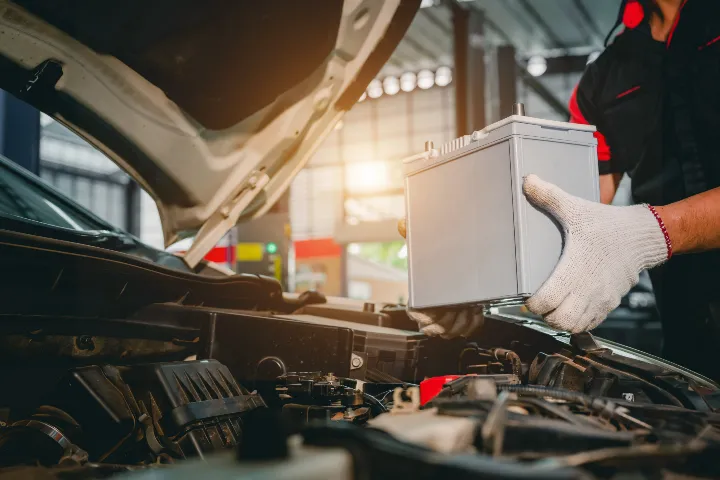
Most car batteries last 3–5 years, depending on quality, usage, and maintenance. Very hot or cold weather, as well as many short drives, can shorten the battery’s life. Regular checks, cleaning terminals, and keeping them fully charged help maximize life.
Premium batteries, such as AGM or lithium types, tend to last longer when they are properly maintained.
How Long Can A Car Battery Sit Unused?
| Condition | Battery Life |
| Cool storage | 3–6 months |
| Normal garage | 2–4 weeks |
| Hot climate | 1–2 weeks |
Without use, batteries slowly discharge. Using a battery maintainer or disconnecting it can help prevent a dead battery when returning to the car.
How Long Will a Battery Last in a Parked Car?
A parked car’s battery can last 2–4 weeks under normal conditions. Leaving lights, a radio, or other electronics on reduces this. Cold weather can preserve the charge slightly longer, while heat accelerates discharge. Regularly starting the car or using a charger keeps it healthy.
How Long Will a Car Battery Stay Charged If Not Driven?
Typically, a fully charged battery lasts 2–4 weeks without driving. Self-discharge happens naturally, and devices like alarms, clocks, or sensors also drain power. Using a trickle charger or disconnecting the battery extends life. Frequent checks help avoid surprises when you start the car.
How Long Does a Car Battery Charge Last Without Driving?
A fully charged battery can hold power up to 3–4 weeks if unused. Factors like temperature, age, and parasitic drains (electronics left on) affect this. For longer storage, a battery maintainer or periodic starting of the car is recommended to prevent a flat battery.
Does a 15-Minute Drive Charge a Car Battery?

Yes, a 15-minute drive can recharge a partially drained battery, but it may not fully charge an old or heavily discharged battery. Longer drives are more effective. Driving regularly helps maintain battery health and ensures the alternator properly keeps the battery topped up.
Will a Car Battery Go Dead If Not Driven?
Yes, if a car sits unused for more than 2–4 weeks, the battery will slowly lose charge and may die. Factors like temperature, battery age, and electronics left on affect this. Using a maintainer or starting the car occasionally prevents this.
What Can Drain a Car Battery When the Car Is Off?
Even when your car is off, electronics like alarms, clocks, sensors, and dashboard lights slowly use battery power. Parasitic drains, old battery age, and extreme temperatures can also reduce battery life, causing it to go flat sooner than expected.
Factors Affecting Car Battery Life When Not Driving
- Temperature: Heat speeds up discharge; cold slows it.
- Battery Age: Older batteries lose charge faster.
- Parasitic Loads: Alarms, clocks, and sensors drain power.
- Storage Time: Longer inactivity reduces charge.
Managing these factors helps your battery stay healthy even when unused.
How to Save and Maintain a Car Battery When Not in Use?
To save a battery, keep it fully charged and avoid leaving electronics on. Store the car in a cool, dry place, disconnect the battery for long-term storage, or use a battery maintainer. Starting the car every 1–2 weeks also helps keep the battery healthy and ready for use.
How to Save a Car Battery When Not in Use?
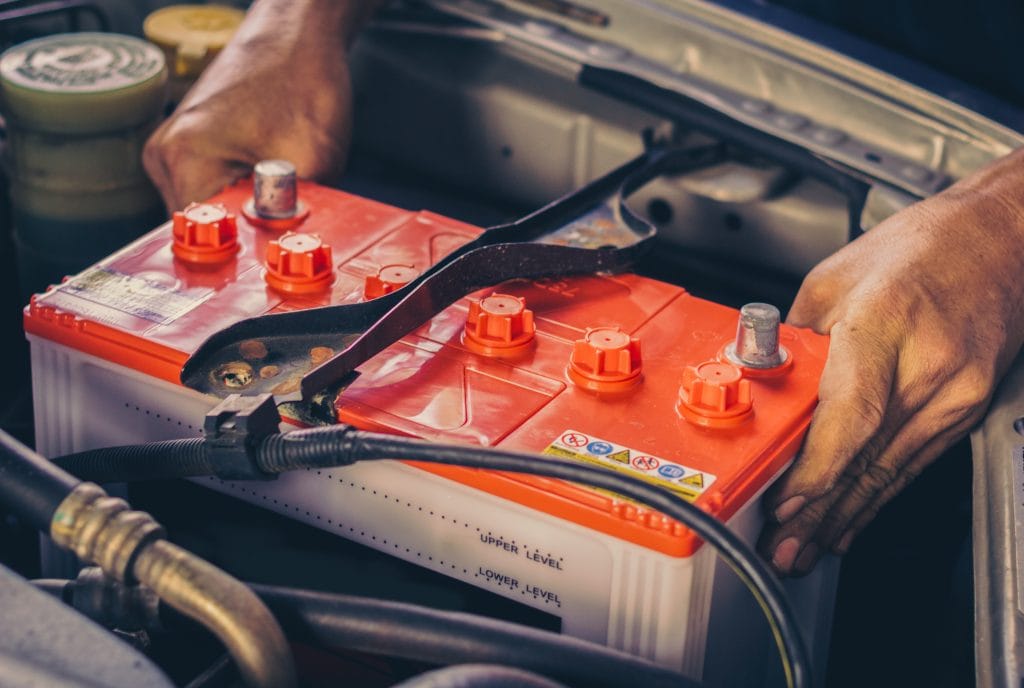
Disconnect the battery if the car will not be used for weeks. Use a battery charger or maintainer to prevent self-discharge. Keep the car in a shaded or cool garage, and avoid leaving any lights, radios, or devices on, which can drain the battery and reduce its lifespan.
How to Keep a Car Battery Charged When Not in Use?
Use a trickle charger or battery maintainer to keep the battery fully charged. Regularly check the voltage with a multimeter. Start the car every 1–2 weeks for 10–15 minutes to maintain charge. Avoid short drives that do not recharge fully, and keep the car in a cool, dry place.
How Can I Keep the Battery Charged?
- Start the car regularly.
- Use a battery maintainer for long-term storage.
- Avoid short trips that don’t recharge fully.
- Monitor voltage periodically with a multimeter.
Simple steps keep the battery healthy and ready.
How to Extend Car Battery Life When Not in Use?
Store the car in a cool, dry place. Reduce parasitic drains by disconnecting unnecessary electronics. Charge the battery fully before long-term storage. Use a maintainer or start the car every 1–2 weeks.
Regularly check the battery’s voltage and keep the terminals clean to avoid corrosion and maintain proper battery performance. These steps significantly extend battery life during periods of non-use.
Battery Maintainer
A battery maintainer is a small device that keeps the battery fully charged without overcharging. Plug it in while the car is unused for weeks or months.
It prevents self-discharge, keeps the battery healthy, and avoids the need for jump-starting later. Using a maintainer is the safest way to store a car long-term.
Disconnect the Battery

Disconnecting the negative terminal stops electrical drains from electronics like alarms or sensors. It is especially useful if the car will not be used for more than a month. Remember, this may reset clocks, radio presets, and alarm systems, but it is an effective way to prevent the battery from going flat.
Start the Car Regularly
Start the engine for 10–15 minutes every 1–2 weeks. This recharges the battery and circulates fluids inside the engine. Short drives may not fully recharge older batteries, so longer drives are better.
This routine helps keep the battery healthy and ready, preventing it from losing charge during periods of inactivity.
Routine Maintenance
Inspect the battery terminals for any corrosion and clean them when necessary to keep the battery working properly. Inspect for leaks or damage, and keep terminals tight. Ensure fluid levels in non-sealed batteries are correct.
Regularly check the voltage and charge when necessary. Routine maintenance prevents slow discharge, improves performance, and increases the overall lifespan of the battery.
How Can I Prevent My Car Battery From Going Flat?
Use a battery maintainer for long-term storage. If you won’t be using the car for a while, disconnect the battery to prevent it from draining. Avoid leaving electronics or lights on.
Start the car every 1–2 weeks. Keep the battery clean, monitor voltage, and store it in a cool, dry environment to prevent it from going flat unexpectedly.
Managing Car Battery Health
Store the car in a stable, cool environment. Fully charge the battery before storing and use a maintainer for long periods. Check battery voltage monthly and clean terminals.
Avoid extreme temperatures, frequent short trips, or leaving electronics on. These steps maintain battery health and extend its usable lifespan significantly.
Diagnosing and Fixing a Dead Battery
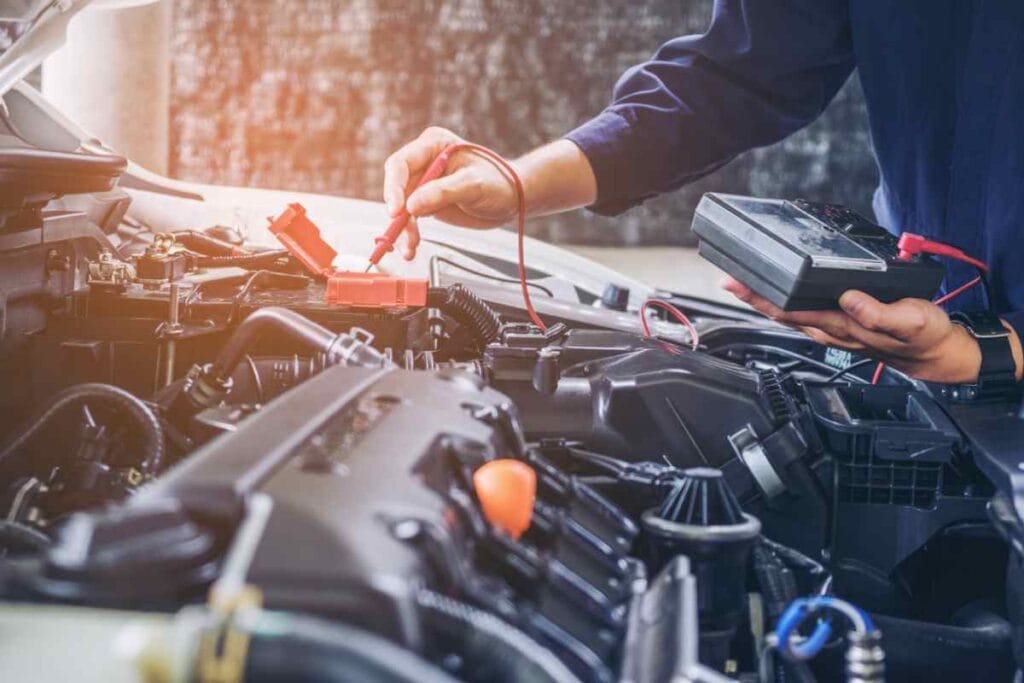
Steps To Take If A Car Battery Is Dead
If your battery is dead, first check the terminals for corrosion or loose connections. Try jump-starting the car using cables or a portable charger. If the battery cannot hold a charge, it must be replaced. Acting quickly prevents further starting issues and protects your car’s electrical system.
Diagnosing a Dead Car Battery
A dead battery often shows a slow engine crank, flickering dashboard lights, or a clicking sound. Testing with a multimeter confirms voltage. Proper diagnosis avoids unnecessary replacements.
Table – Signs Of A Dead Battery
| Symptom | What It Means |
| Slow engine crank | Low battery power |
| Dashboard lights dim/flicker | Weak or discharged battery |
| Clicking sound on ignition | Battery unable to provide enough power |
Steps for Jump-Starting a Car
To jump-start your car, park a second vehicle with a charged battery close by. Connect the red cable to the positive terminals and the black cable to the negative. First, start the car with the good battery, then turn on the car with the dead battery.”
Remove cables in reverse order. This safely restores power without damaging either battery.
Jump-Starting the Battery
Jump-starting transfers energy from a healthy battery to a dead one. Connect positive terminals first, then negative. Start the donor car before the dead car. Let it run 10–15 minutes to recharge fully. Proper connection order prevents sparks and protects the car’s electrical system.
How to Jumpstart Your Car With Cables?
Turn off both vehicles. Connect the red cable to the positive terminals and the black cable to the negative. Start the donor car, then the dead one. After the engine starts, remove cables carefully and allow the battery to recharge fully. Follow safety rules to avoid sparks or electrical damage.
Knowing When to Replace Your Battery

How to Know When a Car Needs a New Battery?
A battery should be replaced if the engine cranks slowly, dashboard warning lights appear, or it is older than 3–5 years. Swollen, leaking, or corroded batteries also indicate replacement. Regular voltage checks and watching for these symptoms help avoid being stranded.
Table – Signs You Need a New Battery
| Sign | Explanation |
| Slow engine start | Battery cannot provide enough power |
| Warning lights | Battery health issue |
| Age > 3–5 years | Reduced capacity |
| Swelling or leakage | Battery failure risk |
How Much Replacing a Car Battery Costs?
Battery replacement cost varies by type and brand. Standard lead-acid batteries cost $50–$120, while AGM or premium types cost $120–$250. Labor may be extra. Checking battery health regularly helps plan replacement before emergencies and avoid unexpected high costs.
FAQs
1. How Long Does A Car Battery Last Without Charging?
Yes, a car battery can usually last 2–4 weeks without charging, depending on age, temperature, and electronics left on.
2. How Often Do You Need to Start Your Car to Keep the Battery from Dying?
Yes, start your car every 1–2 weeks for 10–15 minutes to keep the battery charged and healthy.
3. How Long Can A Car Last On Just The Battery?
No, a car can run 10–30 minutes on battery alone; the alternator is needed for longer drives.
4. Will Idling A Car Charge The Battery?
Yes, idling charges the battery slowly, but driving is more effective to fully recharge it.
5. How Long Will a Car Battery Last When Parked?
Yes, a parked car’s battery typically lasts 2–4 weeks without use, depending on temperature and battery condition.
6. How Long Before Car Battery Dies With Radio On?
Yes, leaving the radio on can drain the battery in 2–5 hours, depending on battery strength.
7. Will A Car Battery Die If Not Used For A Month?
Yes, most car batteries lose charge after 3–4 weeks. If unused for a month, it may go flat unless a maintainer is used.
8. How Long Does a Car Battery Last After Being Charged?
Yes, a fully charged battery usually lasts 2–4 weeks without driving, depending on age, temperature, and small electronic drains.
9. How Long Before Car Battery Dies With AC On?
Yes, AC can drain a parked car battery in about 20–60 minutes if the engine is off.
10. How Long Does It Take for a Car Battery to Die If You Leave the Lights On?
Yes, leaving lights on can drain a battery in 1–6 hours, depending on the battery’s condition and size.
11. How Long Does A Car Battery Last In Storage?
Yes, stored in a cool, dry place, a battery can last 3–6 months. Using a maintainer extends life and prevents self-discharge.
12. How Long Can a Car Be Left Without Driving It Before the Battery Dies?
Yes, a car can usually sit 2–4 weeks before the battery loses charge. Longer periods may require a battery charger or maintainer.
13. How Long Will Battery Last If Disconnected at Full Charge During Winter?
Yes, in cold conditions, a fully charged disconnected battery can last several months, as cold slows self-discharge, but it should still be checked periodically.
14. How Long Will a Fully Charged Battery Last Without an Alternator?
No, without an alternator, a fully charged battery lasts only 30–60 minutes under normal use before losing power.
15. How Long Can a Car Battery Be Dead and Still Be Recharged?
Yes, a battery that has been dead for 1–2 weeks can often still be recharged. Longer periods may reduce capacity or cause permanent damage.
16. How Long Can a Car Sit Without Driving Before the Battery Dies?
Yes, typically, a car can sit 2–4 weeks before the battery discharges, depending on battery condition and temperature.
17. How Long Can You Not Drive Your Car Before the Battery Dies?
Yes, most car batteries will start losing charge after 2–4 weeks of inactivity, so regular checks or charging are recommended.
18. How Often Do I Need To Drive A Car To Keep The Battery Charged?
Yes, drive the car 10–15 minutes every 1–2 weeks to maintain a healthy battery charge.
19. How Long Should a Car Battery Last If You Aren’t Using the Car?
Yes, without use, a healthy battery should last 2–4 weeks before needing a recharge or maintainer.
Conclusion
In conclusion, a car battery typically lasts 2–4 weeks without driving, but factors like temperature, battery age, and electronics left on can shorten its life. Regular checks, using a battery maintainer, or starting the car occasionally can keep it healthy. Proper care ensures your battery stays reliable, avoids unexpected failures, and extends its overall lifespan.