I once left my car unused for weeks, and when I tried to start it, the battery was dead. I learned that cars can sit only for a few weeks safely.
How Long Can a Car Sit Before Battery Dies? (Short Answer)
A car can usually sit 2 to 4 weeks before the battery loses enough charge to cause starting problems. A new and healthy battery may last longer, while older batteries can die faster. Regular driving or using a battery maintainer helps prevent battery discharge during inactivity.
In this article, we will discuss how long a car can sit before the battery dies.
Understanding How a Car Battery Works?
What a Car Battery Actually Does?
A car battery doesn’t just start the engine. It powers the clock, alarm system, onboard computer, and memory settings. Even when your car is parked, the battery is still quietly working.
Why Do Batteries Drain Even When the Car Is Off?
Modern cars constantly draw small amounts of power. This is called parasitic draw. Over time, that tiny drain adds up, especially if the car sits untouched.
Average Time a Car Can Sit Without Driving
New Car Battery Sitting Time
A brand-new, healthy battery can usually last 2 to 4 weeks without driving before you notice trouble. In ideal conditions, some may stretch to up to 2 months, but that’s pushing it.
Old or Weak Battery Sitting Time
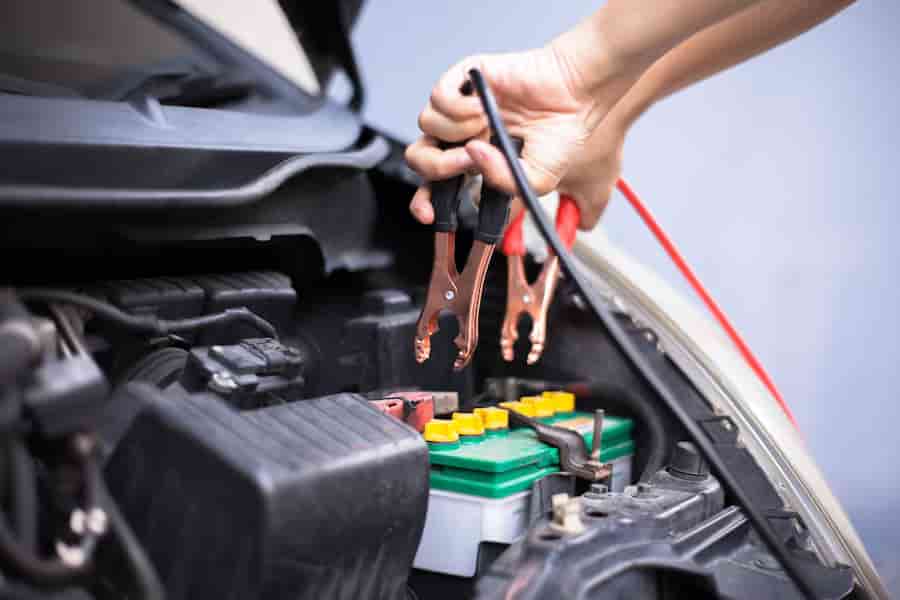
Older batteries don’t get that luxury. A battery over 3 years old may die in 7–14 days of sitting idle. Sometimes even faster.
How Long Can a Car Battery Sit Unused?
A car battery can usually sit unused for about 2 to 4 weeks before losing enough charge to cause starting problems. A new battery may last longer, sometimes up to 2 months. Older or weak batteries may die within one to two weeks if the car is not driven.
How Long Does a Car Battery Last?
Most car batteries usually last 3–5 years, depending on how they’re used and maintained. Battery life depends on weather, driving habits, maintenance, and battery quality. Extreme heat, short trips, and poor maintenance can shorten lifespan. Regular inspection and proper charging help extend battery life and keep your car running smoothly.
How Can I Prevent My Car Battery From Going Flat?
You can prevent battery drain by driving your car regularly, turning off lights and electronics when parked, and checking battery terminals for corrosion. Using a battery maintainer or trickle charger also helps. Keeping the battery fully charged and clean increases its lifespan and prevents unexpected failures.
How Long Can a Car Battery Sit?
A car battery can sit without driving for around two to four weeks before losing power. If the battery is new and healthy, it may last longer. However, older batteries discharge faster. Weather conditions and vehicle electronics can also affect how long the battery stays charged.
How Does a Car Battery Die?
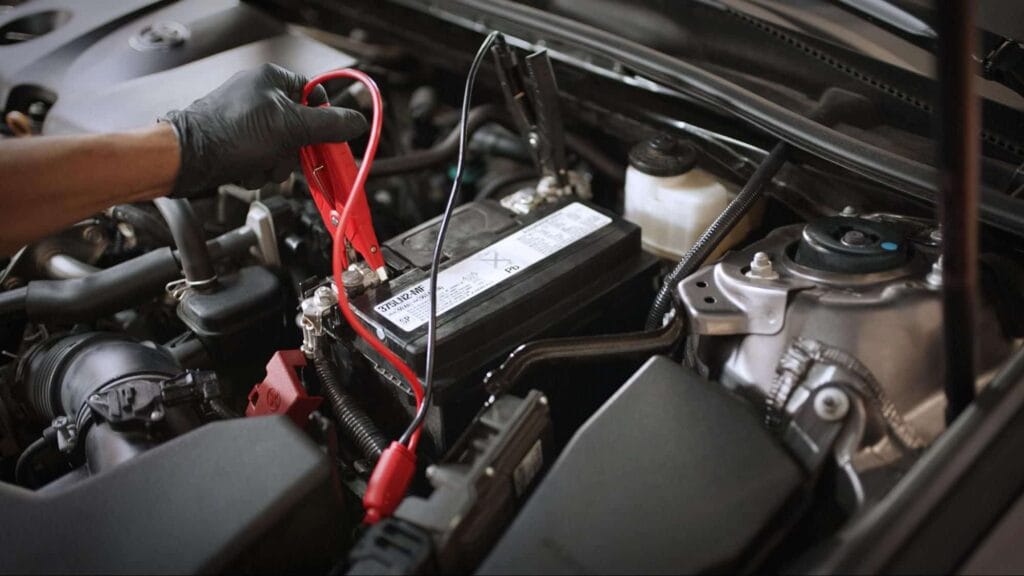
A car battery dies when it can no longer hold or deliver enough electrical charge. This can happen due to age, corrosion, extreme temperatures, parasitic electrical drains, or charging system failure. Over time, internal chemical reactions weaken the battery, reducing its ability to power the vehicle.
Battery Saving Tips While Your Car Is Not In Use
- Drive your car weekly
- Disconnect unnecessary electronics.
- Use a trickle charger.
- Park in a garage or shaded area.
- Check battery condition regularly.
These steps help maintain battery charge and improve lifespan during long storage periods.
Turn Off The Security System To Save Your Battery
Vehicle security systems use small amounts of power continuously. If your car remains parked for a long time, turning off or reducing security system usage can reduce battery drain. This helps preserve battery charge, especially when the car is not driven frequently or stored for weeks.
Did you know that fall and spring are the best times to test your battery?
Fall and spring have moderate temperatures, making them ideal for battery testing. Extreme heat or cold can affect battery performance. Testing during mild seasons helps detect weaknesses early, ensuring your battery is strong enough to handle harsh weather and avoid unexpected breakdowns.
Charge the battery weekly by driving the car for at least 30 minutes.
Driving your car for at least 30 minutes weekly allows the alternator to recharge the battery properly. Short drives often do not give the battery enough time to recharge completely. Regular driving keeps battery chemicals active, improves performance, and reduces the risk of battery discharge during long periods of inactivity.
Connect a trickle charger to preserve your battery.
A trickle charger slowly supplies power to maintain battery charge when the car is not used. It prevents battery discharge and keeps it healthy during long storage. This method is safe and commonly recommended for vehicles that remain parked for extended periods.
How Can You Tell If Your Car Battery Is Dead?
| Sign | Explanation |
| The engine won’t start | The battery cannot provide power |
| Dim headlights | Low battery charge |
| Clicking sound | Weak electrical current |
| Warning light | Charging system problem |
These signs indicate the battery may need charging or replacement.
How Your Car Battery Dies After Sitting for Two Weeks?
After two weeks of sitting, parasitic electrical systems slowly drain battery power. If the battery is weak or old, it may lose enough charge to prevent starting. Cold weather or faulty electronics can accelerate this process and cause complete battery discharge.
My Car Battery Dies If Not Driven For Three To Five Days
If a battery dies within three to five days, it may indicate a weak battery, parasitic electrical drain, or charging system problem. Normal batteries should last longer. Checking battery health, alternator performance, and hidden electrical drains can help identify the issue.
What to Do If Your Battery Dies?
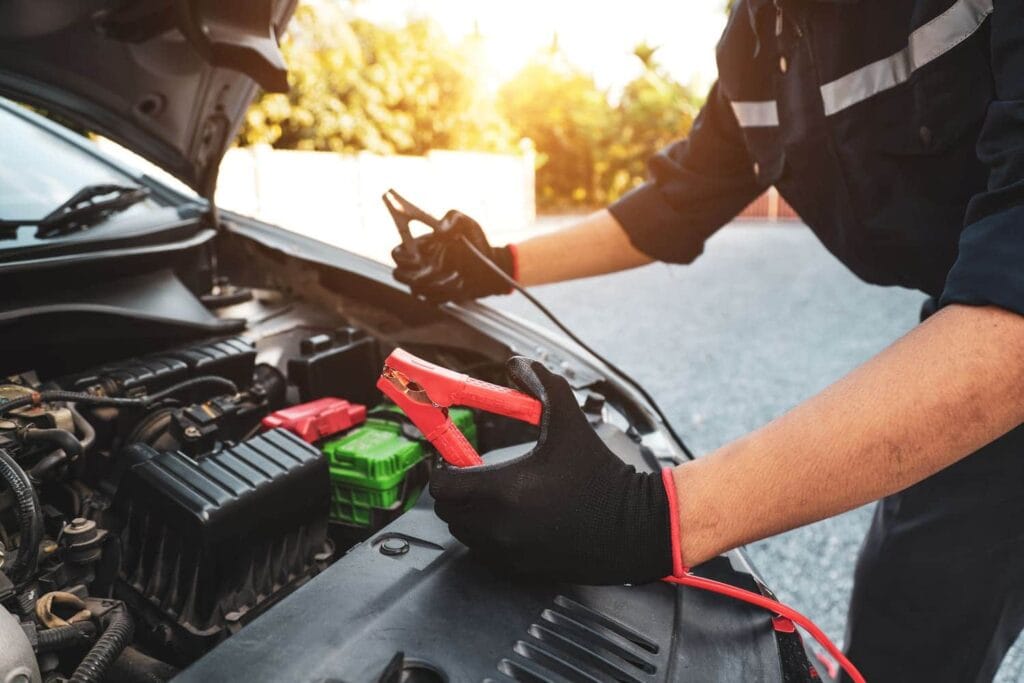
- Try jump-starting the car
- Check battery terminals for corrosion
- Recharge the battery fully.
- Test battery condition
- Change the battery if it cannot retain a charge.
Following these steps helps restore vehicle power and prevent future battery problems.
How Can You Prevent Your Car Battery From Dying?
You can prevent battery failure by driving your car regularly, keeping battery terminals clean, and turning off lights and electronics when parking. Using a battery charger or maintainer helps during long periods of inactivity. Regular battery testing and proper storage conditions also reduce the risk of unexpected battery failure.
Tips to Extend Battery Life During Inactivity
- Start or drive the car weekly
- Use a trickle charger or battery maintainer
- Disconnect unused electronics
- Park in a shaded or covered area
- Check battery condition regularly.
Following these tips helps maintain battery charge and prevents early battery damage during long parking periods.
Factors Affecting Battery Life
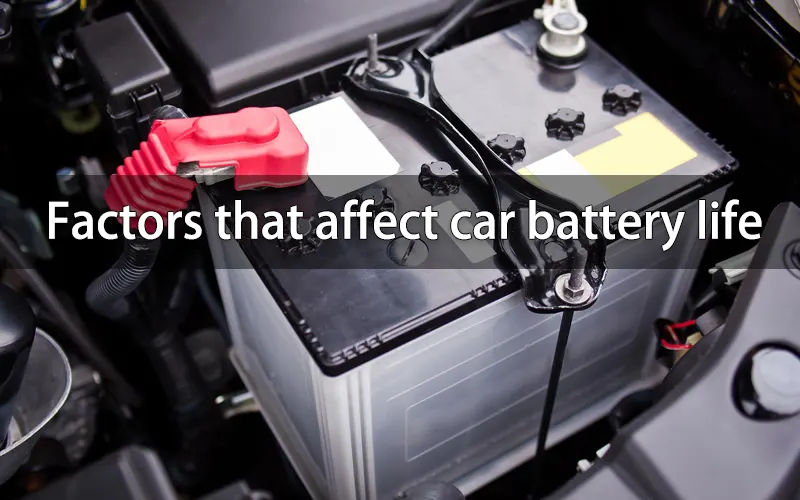
Battery life depends on temperature, driving habits, charging system condition, and battery quality. Extreme heat and cold reduce battery performance. Frequent short trips prevent full charging. Poor maintenance and corrosion also shorten the lifespan. Regular inspection and proper usage help batteries last longer.
Typical Battery Lifespan Unplugged
When disconnected or unused, most car batteries can hold a charge for about one to three months, depending on battery condition. New batteries usually last longer, while older batteries discharge faster.
Storage temperature, battery quality, and maintenance greatly influence how long a battery keeps its charge without use.
Signs Of A Dying Battery
| Sign | Meaning |
| Slow engine start | Battery losing power |
| Dim headlights | Low charge level |
| Clicking sound | Weak electrical current |
| Warning light | Charging system issue |
These signs usually indicate the battery needs charging or replacement soon.
Maintenance Tips for Longevity
- Clean battery terminals regularly.
- Check battery voltage periodically.
- Secure the battery tightly in place
- Avoid leaving electronics on.
- Drive the vehicle regularly
Proper maintenance helps prevent battery damage, improves performance, and increases overall battery lifespan.
Solutions for Extended Storage
For long vehicle storage, disconnect the battery or use a trickle charger to maintain a charge. Keep the car in a dry, shaded area and away from extreme heat or cold. Starting the vehicle occasionally or driving short distances also helps maintain battery health during extended inactivity.
How Long Can a Car Sit Without Being Driven?
Most cars can sit without driving for about two to four weeks before battery problems appear. A new battery may last longer, while older batteries may discharge faster. Weather conditions, vehicle electronics, and battery health affect how long a car can remain parked without starting issues.
How Long Can a Car Sit in Storage Before the Battery Dies?
When stored, a car battery usually lasts two to eight weeks, depending on battery age and condition. Vehicles with advanced electronics may drain batteries faster. Using a battery maintainer or disconnecting the battery can significantly extend battery life during long storage periods.
The car sat for one week.

If a car sits unused for one week, most healthy batteries should still work properly. However, weak or old batteries may lose noticeable charge. Cold weather and electrical drains can also reduce battery power. Driving the car after a long parking helps restore battery charge.
Factors Affecting Battery Lifespan When Not In Use
Battery life during inactivity depends on temperature, battery age, and electrical drain from vehicle systems. Older batteries lose charge faster. Proper storage and occasional charging help keep the battery in good condition when the car is not used.
Tips to Maintain Battery Health During Long Periods of Inactivity
Use a battery maintainer to maintain a steady charge. Start or drive the car occasionally to recharge the battery. Store the vehicle in a moderate temperature and check the battery condition regularly to prevent damage during long storage.
Why Does a Car Battery Lose Charge When Unused?
A car battery loses charge because small electrical systems like clocks and alarms continue using power. Natural chemical reactions inside the battery also reduce stored energy, which slowly weakens the battery when the vehicle remains unused.
FAQs
1. Can A Car Battery Die After Sitting For A Week?
Yes, a weak or old battery can lose enough charge within one week, especially in cold weather or vehicles with electronics. A healthy battery usually survives longer without starting problems.
2. How Long Can You Store a Car Before the Battery Dies?
Most cars can be stored for about two to four weeks before battery discharge becomes noticeable. Battery age, temperature, and electronic systems greatly influence how quickly the battery loses power.
3. Can A Car Battery Still Be Good After Sitting For A Year?
Yes, sometimes. A battery may still work after one year if properly maintained, disconnected, or stored with a charger. Without maintenance, most batteries lose charge and become permanently damaged.
4. How Long Can A Car Sit Before Battery Dies Without A?
A car can usually sit for two to four weeks before battery problems occur. New batteries may last longer, while older batteries can discharge faster due to natural chemical energy loss.
5. How Long Can a Car Battery Be Dead and Still Be Recharged?
A battery can often be recharged if it has been dead for a few days or weeks. If left completely discharged for months, internal damage may occur, making recharging impossible.
6. How Long Can a New Car Battery Sit Unused?
A new car battery can usually sit unused for about one to two months without serious discharge. Proper storage, moderate temperatures, and occasional charging can help extend its unused lifespan.
7. How Long Before Car Battery Dies With Radio On?
A car battery can drain within two to six hours if the radio stays on without the engine running. Battery condition and vehicle electrical usage affect how quickly the battery loses charge.
8. How Long Before Car Battery Dies With AC On?
Yes, quickly. Running the AC without the engine can drain a battery within thirty minutes to one hour. Air conditioning systems require significant electrical power when the alternator is not charging.
9. How Long Before Car Battery Dies With Lights On?
Leaving headlights on can drain a battery within four to eight hours, depending on battery strength. Modern LED lights may last longer, but traditional halogen lights usually drain power faster.
10. How Long Can A Car Be Left Unused Before The Battery Dies?
Most cars can remain unused for two to four weeks before battery failure occurs. Advanced electronics, weather conditions, and battery health play major roles in determining how long a charge lasts.
11. How Long Can a Car Battery Sit Unused Before Being Replaced?
A battery can sit unused for several months, but its performance may weaken over time. If the battery cannot hold a charge after recharging, replacement is usually recommended for reliable vehicle operation.
12. How Long Can A Modern Car Sit Before The Battery Is Too Weak To Start The Engine?
Modern cars with advanced electronics may experience battery weakness within two to three weeks of inactivity. Continuous small electrical drains reduce stored charge, making it harder for the engine to start.
Conclusion
Car batteries naturally lose charge when vehicles remain unused. Battery age, temperature, and electronic systems strongly influence how long batteries last without driving. Regular driving, proper storage, and battery maintenance help prevent unexpected failure. Taking preventive steps ensures longer battery life and improves overall vehicle reliability and performance.
Read Also
- How Much Is A New Battery For A Car? Complete Cost Guide 2026
- Can a Car Battery Die While Driving? (Update 2026)
- Who Pays the Most for Old Car Batteries? Update 2026
References