One morning, my car didn’t start, and I realized car batteries don’t last forever. Learning how long they last helps me avoid surprises, stay safe, and save money on replacements.
How long are car batteries good for? (Short Answer)
Most car batteries last 3 to 5 years, depending on driving habits, climate, and battery type. Proper care, regular driving, and timely replacement help extend battery life. Always watch for warning signs to avoid sudden failure.
In this article, we will discuss how long are car batteries good for?
What Is A Car Battery?
A car battery is a power source that gives electricity to your car. It helps start the engine and runs the lights, radio, and other electrical parts. Without a working battery, the car cannot start or operate properly.
Introduction to Car Battery Lifespan
Let’s be honest, most of us don’t think about our car battery until the car refuses to start. One fine morning, you turn the key, and instead of that smooth engine sound, you hear a sad clicking noise. Sound familiar? That’s why understanding how long car batteries are good for is more important than many drivers realize.
Why Car Batteries Don’t Last Forever?
A car battery is like a phone battery. Over time, it charges and discharges thousands of times. Each cycle slowly wears it down. Inside, chemical reactions make electricity, and those chemicals don’t stay strong forever. Eventually, the battery simply runs out of energy-making ability.
Why Knowing Battery Life Matters?
Knowing the average lifespan of a car battery helps you avoid being stranded on the road, late for work, or stuck in bad weather. It also saves money because you can replace it before it damages other electrical components.
Car Batteries – How Long Should They Last?
Most car batteries usually last 3 to 5 years. Their lifespan depends on driving habits, weather conditions, battery quality, and vehicle usage. Extreme heat, short trips, and poor maintenance can shorten battery life, while regular driving and proper care can help it last longer.
Types Of Vehicle Batteries
All car batteries work by moving energy inside the battery to power the vehicle. The main difference between batteries is the material and technology used. Here are the common types explained simply:
Lead-Acid Batteries
These are the most common car batteries. They are affordable, reliable, and have been used for many years. With regular checking and care, they work well for normal daily driving.
AGM (Absorbent Glass Mat) Batteries
AGM batteries are stronger than normal lead-acid batteries. They charge faster and handle more electrical use. They are good for cars with start-stop systems and many electronic features, but they cost more.
EFB (Enhanced Flooded Battery) Batteries
EFB batteries are improved lead-acid batteries. They last longer and handle frequent starting better. They are a good middle option between standard and AGM batteries, especially for modern cars.
Lithium-Ion Batteries
These batteries are mainly used in electric and hybrid cars. They are lightweight, charge quickly, and last a long time. They are expensive and usually not needed for regular fuel cars.
Car Battery Life Chart
| Battery Type | Average Lifespan | Notes |
| Standard Lead-Acid | 3–4 years | Common, affordable, needs regular driving |
| EFB Battery | 4–5 years | Better for start-stop cars |
| AGM Battery | 4–6 years | Handles heat and electronics well |
| Hybrid / Start-Stop | 4–6 years | Designed for frequent engine starts |
| Lithium-Ion | 8–10+ years | Used in electric and hybrid cars |
Battery Life By Climate
| Climate | Expected Battery Life |
| Very Hot | 2–3 years |
| Moderate | 3–5 years |
| Cold | 4–6 years |
Battery Age Guide
| Battery Age | Status |
| 0–2 years | Good |
| 3 years | Test yearly |
| 4–5 years | Replace soon |
| 6+ years | High failure risk |
Average Lifespan Of A Car Battery
Typical Lifespan Range
On average, most car batteries are good for 3 to 5 years. That’s the sweet spot. Some may die earlier, while others can surprise you and last longer. But generally, once your battery crosses the three-year mark, it’s officially in the “watch closely” zone.
Lead-Acid vs. AGM Batteries
Traditional lead-acid batteries usually last around 3–4 years. AGM (Absorbent Glass Mat) batteries, often used in modern vehicles, can last 4–6 years if treated well. AGM batteries handle heat and heavy electrical loads better, which explains the longer life.
Hybrid and Start-Stop Battery Lifespan
Cars with start-stop systems and hybrids use special batteries designed for frequent starts. These batteries are stronger but also work harder. Their lifespan is typically 4–6 years, depending on usage and climate.
Where You Live Affects Your Car Battery?
Where you live affects how long your car battery lasts. Hot weather wears batteries out faster, while cooler climates help them last longer. Because engines get very hot, carmakers protect batteries using heat shields or by placing them away from the engine.
Malfunctioning Charging System Reduces Car Battery Life
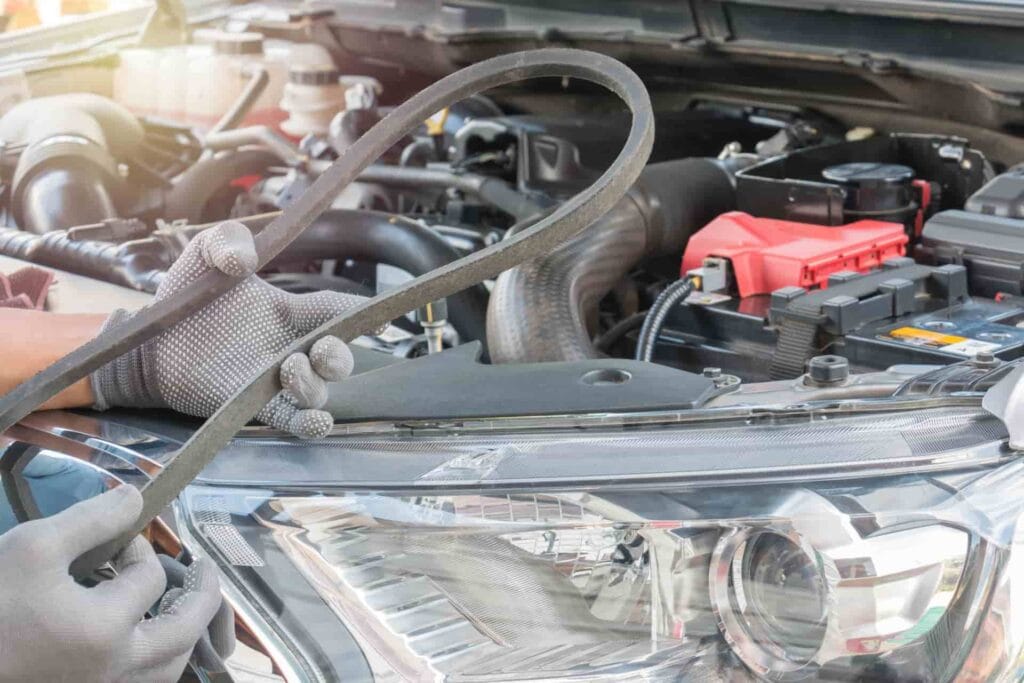
A malfunctioning charging system can shorten car battery life. If the alternator does not charge properly, the battery stays weak or overcharged. Over time, this causes faster wear and can lead to early battery failure.
Factors That Affect Car Battery Life
Climate, Driving Habits, and Battery Life
How long a car battery lasts depends a lot on how and where you drive. Knowing these things can help your battery last longer.
Driving Habits
Short drives prevent the battery from fully recharging, which can slowly weaken it over time. Over time, this weakens the battery. Longer drives help the battery charge properly and stay healthy.
Climate and Temperature
Very hot weather can dry out the battery fluid and damage it. Very cold weather makes the battery work harder to start the car. Very hot or very cold weather can shorten a battery’s lifespan.
Vehicle Usage Patterns
Cars that sit unused for a long time can lose battery power. Cars with many electrical features also put extra pressure on the battery, which can shorten its life.
Battery Quality and Brand
Not all batteries are created equal. Cheaper batteries often use lower-quality materials and may fail sooner. A high-quality battery can cost more upfront but usually lasts longer.
Signs Your Car Battery Is Near The End
Slow Engine Crank
If your engine takes longer to start than usual, your battery is waving a red flag. That slow crank is often the first warning sign.
Dashboard Warning Lights
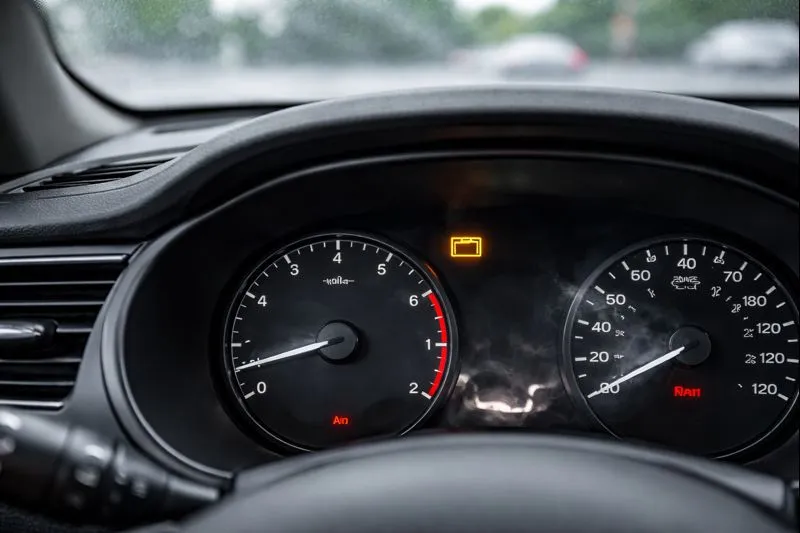
Many cars have a battery warning light. If it turns on, don’t ignore it. It could mean battery trouble or charging system issues.
Electrical Issues
Dim headlights, flickering interior lights, or malfunctioning power windows can all point to a weak battery.
Swollen or Leaking Battery Case
A swollen battery case usually means overheating. Leaks or corrosion around terminals are also bad signs. At this point, replacement is not optional; it’s urgent.
Weak Battery Warning Signs
Common signs of a weak car battery include slow engine starting, dim headlights, flickering interior lights, and warning lights on the dashboard. You may also notice electrical features not working properly or hear clicking sounds when starting the car.
Car Batteries Are Not One-Size-Fits-All
Car batteries are not one-size-fits-all. Different cars need different battery sizes, power levels, and types. Using the correct battery ensures proper performance, longer life, and safe operation of your vehicle.
How to Check the Age of a Car Battery?
Reading the Battery Date Code
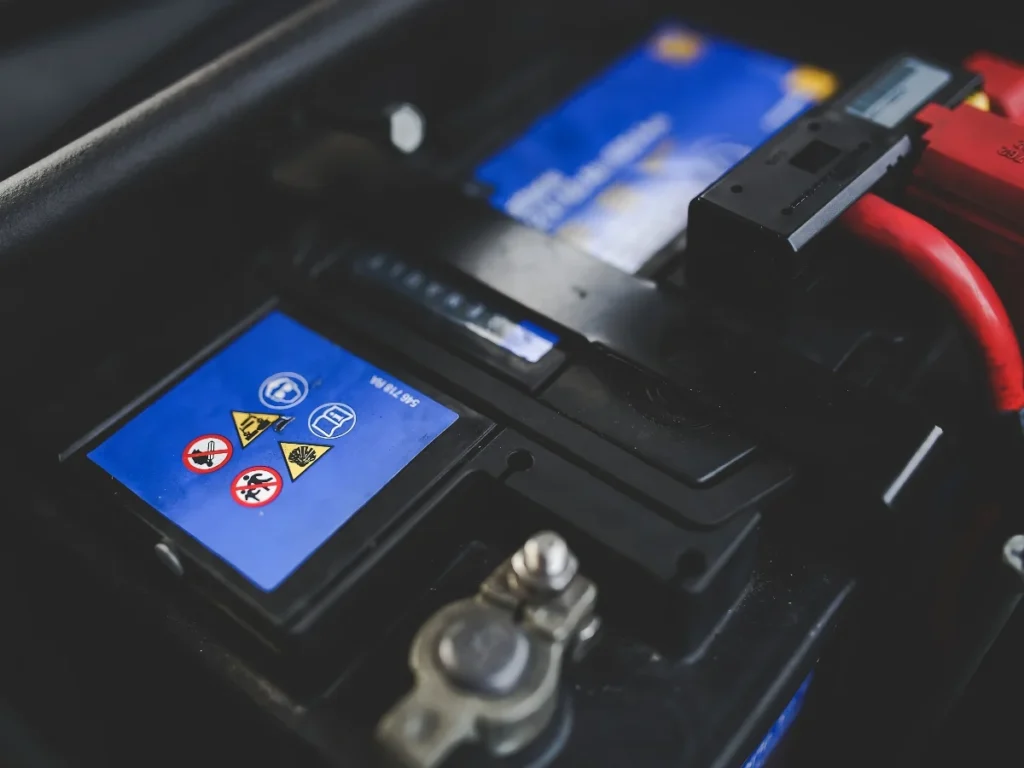
Most batteries have a date code printed on the label. It might look like “D21,” meaning April 2021. Knowing this helps you calculate the actual age of your battery.
When Is Replacement Recommended?
If your battery is over three years old, it’s a good idea to test it yearly. After 5 years, replacement is usually recommended even if it still works.
Regular Inspections and Battery Care
To help your car battery last longer, follow these simple tips:
- Clean terminals: Remove dirt and corrosion.
- Secure battery: Make sure it’s tight.
- Drive regularly, or use a maintainer if the car sits.
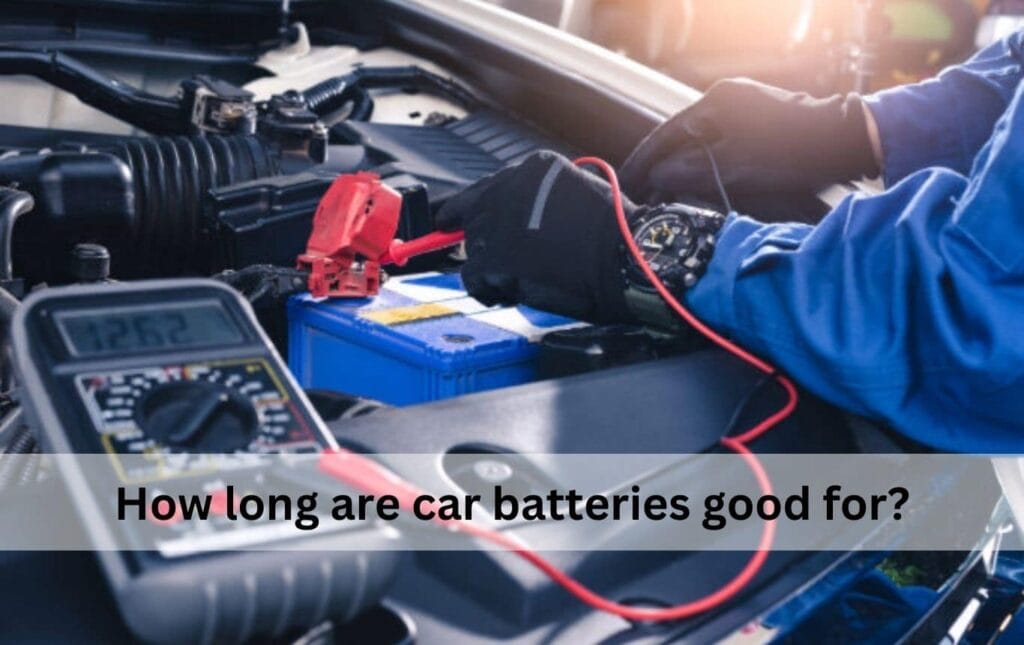
- Check charge: Use a tester to monitor battery level.
- Replace if damaged: Cracked, swollen, or unchargeable batteri
If the battery will not charge or is leaking, cracked, or swollen, it should be replaced immediately.
Purchase Replacement Battery From High-Volume Seller
When replacing your car battery, always buy from a high-volume seller that moves stock quickly. Fresh batteries last longer, while old shelf batteries lose life over time. Choose a battery with a long full-replacement warranty, not one that switches early to pro-rated coverage, which requires extra payment later.
When Should You Replace A Car Battery?
- Mileage Vs Time: Battery life depends more on time than mileage. Even if you don’t drive much, the battery still ages.
- Preventive Replacement Strategy: Many drivers replace their battery around the 4-year mark to avoid surprises. Think of it like replacing worn shoes before they fall apart.
Cost Of Replacing A Car Battery
Average Replacement Cost
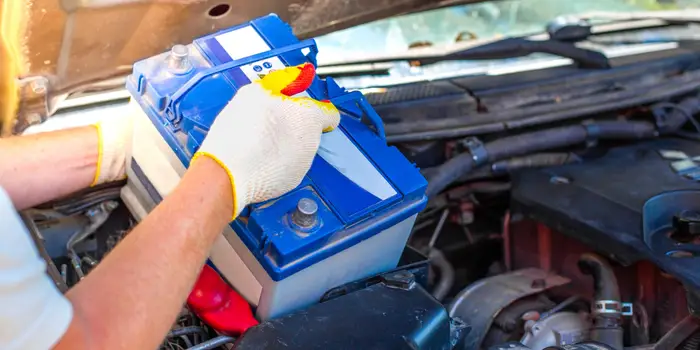
Most car batteries cost between $100 and $250, including installation. AGM and hybrid batteries can cost more.
Is A More Expensive Battery Worth It?
Often, yes. Paying a little extra can get you a longer life, better performance, and a stronger warranty.
Battery Replacement & Service at Ira Toyota of Danvers
We are happy to provide complete battery services for drivers in Danvers, Peabody, and Salem, MA. Our experienced technicians handle everything from battery replacement to major repairs and regular maintenance.
To make your visit more comfortable, we offer a courtesy shuttle, work areas, free Wi-Fi, a complimentary café, and a free car wash. Contact Ira Toyota of Danvers today to learn more about car battery life and our full range of services.
Car Battery Warranty Explained
Pro-Rated vs. Free Replacement
Some warranties offer full replacement for a certain period, then switch to prorated coverage. Always read the fine print.
What Warranties Don’t Cover?
Extreme weather, improper installation, and electrical issues usually aren’t covered.
What Is A Car Battery Group Number?
A car battery group number is a standard code that shows the battery’s size, shape, and terminal position. It helps you choose a battery that fits your vehicle correctly and connects safely to the car’s cables.
Choose Quality Auto Repair Service

You can use AAA’s auto repair shop locator to find nearby Approved Auto Repair centers. These shops meet AAA’s strict standards for trained technicians, insurance, and customer satisfaction. AAA inspects these facilities regularly and checks customer feedback.
AAA members also receive repair discounts, a 24-month or 24,000-mile parts and labor warranty, and help with repair concerns.
How Hot Does It Get Where You Live?
Very hot weather makes car batteries wear out faster. Heat damages the chemicals inside the battery and causes faster power loss. In cooler areas, batteries usually last longer because they are under less stress.
What Kind Of Car Do You Drive?
Different cars use different amounts of battery power. Cars with many electronic features, start-stop systems, or hybrid engines put more pressure on the battery, which can reduce its lifespan compared to simple vehicles.
What Are Your Driving Habits?

Short trips and infrequent driving can weaken a car battery because it does not fully recharge. Regular driving and longer trips help keep the battery charged and healthy for a longer time.
How Was the Battery Kept Before You Installed It?
If a battery sits too long in storage without charging, it can lose strength. Batteries stored in hot places or left uncharged may have reduced life even before being installed in a car.
How Long Does a Car Battery Last Without Driving?
A car battery can last about two to four weeks without driving before it starts losing charge. After several months, it may become too weak to start the engine unless it is recharged.
How Long Does a Car Battery Last on the Shelf?
Most car batteries can stay on a store shelf for six to twelve months. If not maintained or recharged, the battery slowly loses power and may have a shorter lifespan once installed.
Yes, a Car Battery Can Last 10 Years, Sometimes Longer
In rare cases, a car battery can last ten years or more. This usually happens in mild climates with regular driving, good maintenance, and a high-quality battery. However, most batteries do not last this long.
FAQs
1. How Long Does A Car Battery Typically Last?
Most car batteries last between 3 and 5 years. Good driving habits, regular use, and proper care can help it last longer.
2. What Factors Can Shorten A Battery’s Lifespan?
Short trips, extreme heat or cold, poor maintenance, and using many electrical features can reduce battery life.
3. Can Extreme Temperatures Affect Battery Life?
Yes, hot Battery’s weather can damage the battery inside, and cold weather makes it work harder. Both can shorten their lifespan.
4. How Can I Tell If My Car Battery Is Failing?
Common signs include slow engine starting, dim lights, warning lights on the dashboard, and electrical problems.
5. Are There Any Maintenance Tips to Increase Battery Longevity?
Yes, keep terminals clean, drive regularly, avoid leaving electronics on, and check the battery’s condition often.
6. How Do I Know When My Car Needs a New Battery?
Your car may need a new battery if the engine starts slowly, the lights look dim, the electronics act strangely, or a battery warning light appears. Clicking sounds when starting are also a common sign.
7. What Is The Average Life Of A Car Battery?
Most car batteries last 3 to 5 years. Weather, driving habits, and battery quality can make them last longer or fail sooner.
8. Is a 5-Year-Old Car Battery Still Good?
A 5-year-old battery may still work, but it is near the end of its life. It can fail suddenly, so testing or replacement is recommended.
9. Is $300 Too Much For A Car Battery?
$300 is high for a basic battery but normal for AGM, hybrid, or luxury-vehicle batteries. Higher prices often include better performance and longer warranties.
10. How Long Should a Car Battery Last Without Driving?
A car battery usually lasts 2–4 weeks without driving. After that, it slowly loses charge. Using a battery maintainer or starting the car occasionally can keep it healthy for months.
11. How Long Are Car Batteries Good For Lithium Ion?
Lithium-ion car batteries, mostly in electric or hybrid cars, last 8–10 years or more. They are lightweight, charge quickly, and hold power longer than traditional lead-acid batteries. Proper care and a mild climate can extend their life even further.
12. Can a Car Battery Last 10 Years?
Yes, in rare cases, a car battery can last 10 years, but it usually requires ideal conditions: a high-quality battery, a moderate climate, proper driving, and good maintenance. Most car batteries fail sooner, around 3–5 years.
13. What Shortens Car Battery Life?
Short trips, extreme heat or cold, poor maintenance, leaving electronics on, and frequent deep discharges all reduce battery life. Old or low-quality batteries and a weak charging system also make batteries wear out faster.
14. Mechanic Told Me My Battery Would Only Last A Few More Months? Is This Something They Can Tell Off Looks?
No, mechanics cannot judge battery life by appearance alone. They use battery tests to check voltage, charge holding ability, and internal condition to estimate remaining life.
14. Why Does The Original Vehicle Battery Last For Like 10 Yrs, But When It Needs Replacing, Even The Best Battery You Can Buy, Lasts Only 2 To 3…maybe 5 Yrs? I Know This Is True, Because I Am 70 Years Old And Have Had At Least 5 New Cars In My Life.
Factory batteries are carefully matched, installed new, and well protected. Replacement batteries often face heat, short trips, and storage time, which reduces their lifespan.
Conclusion
Car batteries are essential for your vehicle, powering the engine and all electrical systems. Most last 3–5 years, but lifespan depends on battery type, climate, driving habits, and maintenance. Regular checks, proper care, and timely replacement help prevent unexpected failures, save money, and keep your car reliable.
High-quality batteries, stored and used correctly, can sometimes last longer, even up to 10 years. Always choose the right battery for your car, watch for warning signs, and maintain it to maximize life.