I learned about car batteries the hard way when mine failed suddenly. From my experience, a car battery does not last forever and usually works for only a few years with proper use.
How Long Do Batteries Last in a Car? (Short Answer)
From my experience, most car batteries last 3 to 5 years. Driving habits, weather, and regular maintenance play a big role in how long a car battery stays healthy.
In this article, we will discuss how long Do Batteries Last in a car.
Understanding Car Battery Lifespan
Car Battery Life Chart
A car battery life chart shows how long batteries usually last in different conditions. On average, car batteries work 3–5 years. Hot weather shortens life, while mild climates help batteries last longer. Proper care, regular driving, and clean terminals can improve battery lifespan.
| Condition | Average Battery Life |
| Hot climate | 2–3 years |
| Moderate climate | 4–5 years |
| Cold climate | 3–4 years |
Average Car Battery Lifespan In The U.S.
In the U.S., most car batteries last around 3 to 5 years. Drivers in cooler or moderate areas often get longer battery life. In very hot states, batteries may fail earlier due to heat damage. Driving habits and maintenance also affect lifespan.
Why Location Matters for Battery Life?
Location matters because temperature affects battery chemicals. Heat causes fluid to evaporate faster and damages internal parts. Extreme cold slows engine starts and strains the battery. Cars in mild climates usually have longer battery life compared to very hot or very cold regions.
A Map Of Car Battery Life In The US By Temperature Region
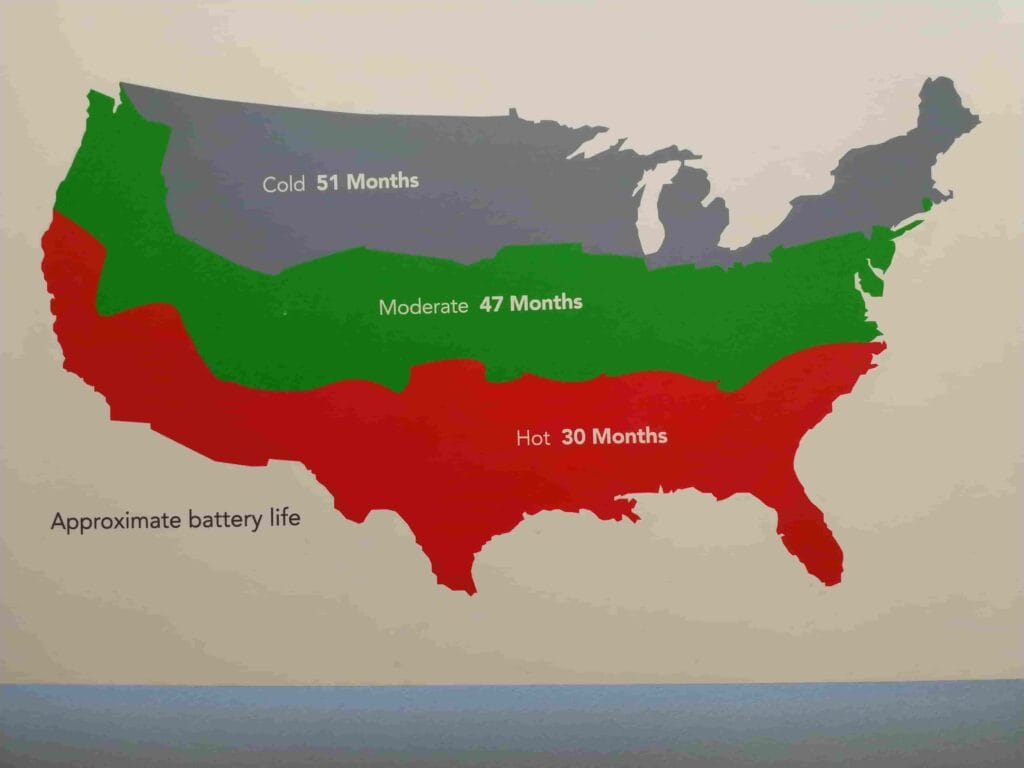
A U.S. battery life map shows clear differences by climate zones. Hot southern states have shorter battery life, while northern and coastal areas last longer.
By Region:
- Hot regions (South): 2–3 years
- Moderate regions: 4–5 years
- Cold regions (North): 3–4 years
This helps drivers know when to expect battery replacement.
How Long Do Batteries Last in a Car? – Texas Climate Impact?
In Texas, extreme heat shortens car battery life. From my experience, most car batteries last only 2–3 years here instead of 4–5 years. High temperatures damage battery fluid and internal parts, causing faster wear and sudden failure if not checked regularly.
Extreme Heat vs. Extreme Cold
Both heat and cold affect car batteries, but heat causes more damage over time.
Comparison:
| Condition | Effect on Battery |
| Extreme Heat | Shortens battery life |
| Extreme Cold | Makes starting harder |
| Mild Weather | Best for battery life |
Heat slowly kills batteries, while cold mainly affects starting power.
What Is a Cold Cranking Amps Rating?
Cold Cranking Amps (CCA) shows how well a battery can start a car in cold weather. It measures how much power the battery delivers at low temperatures. A higher CCA rating means easier engine starts in winter, especially in cold regions.
Why Heat Is the Silent Battery Killer?
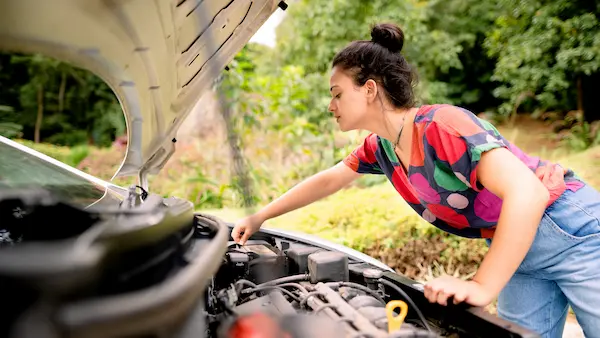
Heat is called a silent killer because it damages batteries slowly. High temperatures cause battery fluid to evaporate and weaken internal plates. You may not notice problems until the battery suddenly fails, especially in hot places like Texas during the summer.
Chemical Reactions Inside A Battery
Inside a car battery, chemical reactions create electricity. Heat speeds up these reactions, which sounds good but actually causes faster wear. Over time, this reduces battery capacity and life. Cold slows reactions, making it harder to start the engine.
Houston’s Temperatures Can Reduce Your Car Battery’s Life by One-Third, Auto Shop Owner Says
Auto shop owners in Houston say extreme heat can cut battery life by one-third. Instead of lasting 4–5 years, batteries may fail in 2–3 years. Long summers, high humidity, and daily heat stress are the main reasons for early battery replacement.
Average Lifespan Of A Car Battery
Typical Battery Life Expectancy
Typically, a car battery will remain functional for about three to five years, depending on usage, climate, and maintenance. That’s the sweet spot most drivers experience under normal conditions. Some batteries die sooner, others push past five years, but three to five years is the realistic range.
Battery Life by Vehicle Type
- Sedans & Hatchbacks: 3–5 years
- SUVs & Trucks: 4–6 years
- Luxury Cars: 2–4 years (due to heavy electronics)
- Hybrid Vehicles: 6–10 years (separate battery systems)
What Causes a Car Battery to Lose Charge?
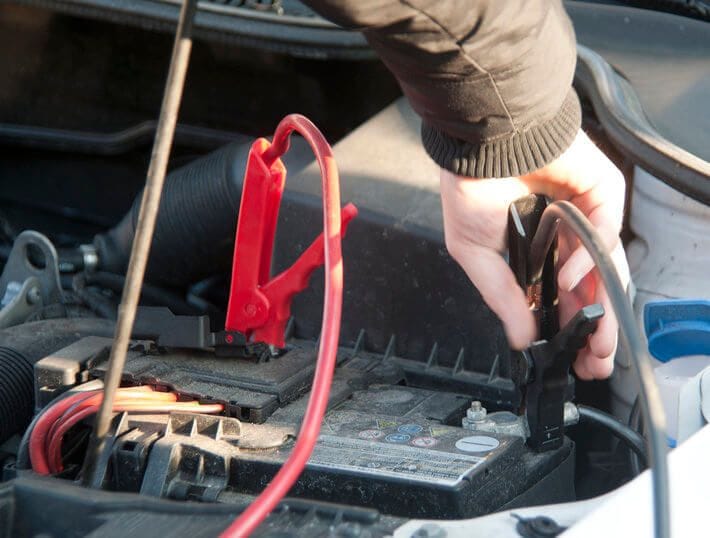
A car battery loses charge due to heat, age, and lack of regular driving. Leaving lights or accessories on also drains power. Weak alternators and dirty battery terminals can stop proper charging, causing the battery to slowly lose strength over time.
Factors That Shorten How Long Batteries Last in a Car
High Summer Temperatures
Texas heat is the biggest reason car batteries fail early. Long exposure to high temperatures slowly damages the battery’s internal parts, even when the vehicle is parked and not being used.
Driving Habits
Very short drives do not allow the alternator enough time to recharge the battery properly. Over time, this constant partial charging weakens the battery and reduces its overall lifespan.
Short Trips and Infrequent Driving
Leaving a car unused for long periods in hot weather is harmful. Batteries lose charge naturally, and extreme heat speeds up this process, leading to faster battery failure.
Electrical Load and Accessories
Devices like dash cameras, phone chargers, entertainment systems, and extra accessories pull power from the battery. In Texas heat, this added demand increases stress and shortens battery life.
How to Extend the Life of a Car Battery (Short Version)?
- Drive Longer: Longer trips help the alternator fully charge the battery.
- Switch Off Lights: Always check headlights and cabin lights before leaving.
- Reduce Electronics: Avoid using chargers or the radio when the engine is off.
- Use the Car Often: Drive every few days or use a battery maintainer.
- Secure the Battery: Tight cables prevent vibration damage.
- Clean Terminals: Remove corrosion to ensure good power flow.
- Test the Battery: Regular voltage checks help catch problems early.
Signs Your Car Battery Is Dying
| The battery appears bloated or misshapen, often from heat damage. | What It Means |
| Slow Engine Crank | Engine takes longer than normal to start, showing low battery power. |
| Dashboard Warning Lights | Battery or check-engine warning lights appear on the dashboard. |
| Electrical Issues | Lights, radio, or other electronics work weakly or flicker. |
| Swollen Battery Case | Battery appears bloated or misshaped, often from heat damage. |
How to Make Batteries Last Longer in a Car?
Regular Battery Testing
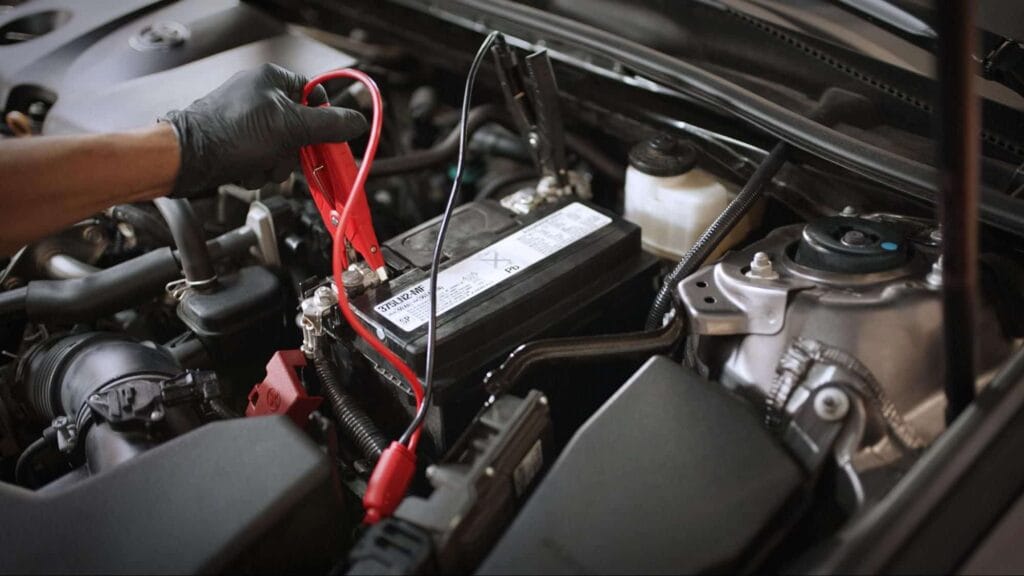
Check your battery voltage and do a simple load test every few months. This helps spot problems early before the battery dies unexpectedly.
Parking Strategies to Beat the Heat
Whenever possible, park in the shade or a garage. High heat damages the battery and shortens its lifespan.
Proper Vehicle Maintenance
Keep cables tight and terminals clean. Regularly check the alternator and engine to ensure the battery charges properly.
Limiting Power Drain
Turn off lights, radios, and other electronics when the engine is off. Avoid leaving devices plugged in to reduce unnecessary battery stress.
Best Car Batteries for Longer Battery Life
Agm Vs. Lead-Acid Batteries
| Feature | AGM Battery | Lead-Acid Battery |
| Lifespan | 4–6 years | 3–5 years |
| Heat Resistance | High, handles hot climates well | Moderate, less heat-tolerant |
| Maintenance | Low, sealed and spill-proof | Requires regular water checks and cleaning |
| Cost | Higher upfront cost | Lower upfront cost |
| Performance | Better for short trips and heavy electronics | Works well for standard driving, less efficient under stress |
| Vibration Resistance | Excellent | Moderate |
Heat-Resistant Battery Brands
Some brands make batteries designed to resist high temperatures. Choosing heat-resistant models can prevent early failure and improve reliability in extreme weather.
Choosing the Right Battery Rating
Look at the Cold Cranking Amps (CCA) and Reserve Capacity (RC). Higher ratings mean better starting power in heat or cold and longer overall battery life.
When Should You Replace a Car Battery?
Time-Based Replacement
Most car batteries last 3–5 years. Replacing them after this period prevents unexpected failure, even if the battery still seems to work.
Performance-Based Replacement
Replace the battery if the engine cranks slowly, electronics act weak, or warning lights appear. These signs mean the battery is near the end of its life.
How to Test a Car Battery (Short & Simple)?
Headlight Test:
Turn on your headlights. If they appear dim when the engine is off, the battery may be weak.
Multimeter Test:
Use a multimeter to check voltage. A healthy battery should read around 12.6 volts when the car is off and 13.7–14.7 volts when running.
Car Batteries Are Not One-Size-Fits-All
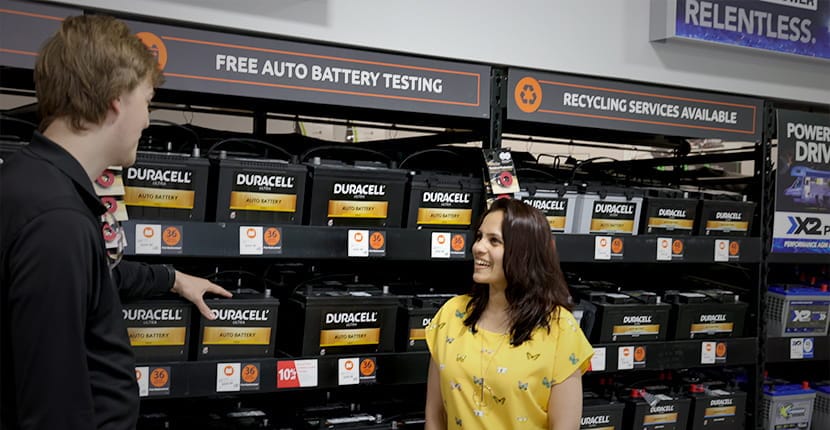
Different cars require different battery sizes, CCA ratings, and capacities. Always check your vehicle’s manual or a trusted seller before buying a replacement.
Cost vs Lifespan – Is an Expensive Battery Worth It?
Expensive or premium car batteries usually last longer and handle heat better than cheaper options. While a cheaper battery might cost $100–$120, it may only last 2–3 years.
A premium battery costing $200–$250 can last 4–6 years, especially in hot climates like Texas. Paying more upfront can save money over time by reducing replacements.
Cheap Batteries vs. Premium Batteries
- Cheap Batteries: Low cost, shorter lifespan, and less heat-resistant. Ideal for budget buyers but may fail sooner in extreme weather.
- Premium Batteries: Higher cost but stronger performance, better heat resistance, and longer life. Often comes with longer warranties and more reliable quality.
Purchase Replacement Battery From High-Volume Seller
Buying from a high-volume, trusted seller is smart. These sellers handle many batteries and usually provide better quality, proper warranties, and faster service. Smaller or unknown shops may sell lower-quality products, risk poor installation, or lack warranty support.
Common Myths About Car Batteries in Hot Climates
Myth: Bigger Batteries Last Longer
Size does not guarantee a longer life. Always use the battery size and rating recommended for your car.
Myth: Heat Is Better Than Cold
False. High heat damages batteries faster by evaporating battery fluid and harming internal parts.
Car Batteries and Lifespan – Latest Update
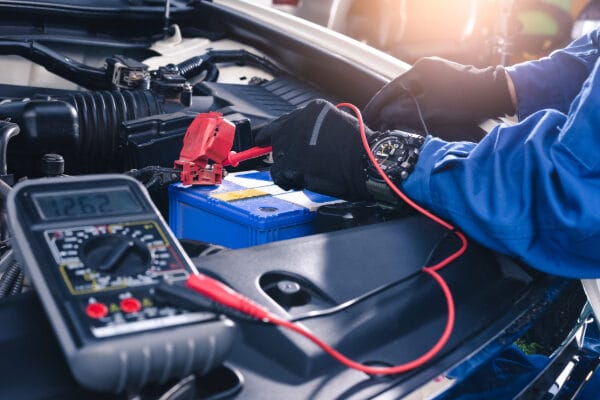
Most car batteries today last 3–5 years, depending on driving habits, climate, and care. In hot regions like Texas, extreme heat can reduce battery life to 2–3 years. Choosing heat-resistant batteries and checking them regularly can help prevent unexpected failures.
How Long Do Car Batteries Last, and What Maintenance Do You Need?
Car batteries usually last 3–5 years, but proper maintenance can extend their life. Simple steps include:
- Drive Regularly: Longer drives keep the battery fully charged.
- Limit Electronics When Off: Avoid draining the battery with lights or devices.
- Clean Terminals: Remove corrosion to maintain good connections.
- Check Voltage: Use a multimeter or get a professional test every few months.
- Protect from Heat: Park in shade or garages in hot climates.
With regular care, you can maximize your battery’s lifespan and avoid sudden failures.
FAQs
1. How Do I Tell If My Car Needs A New Battery?
Yes, signs include a slow engine crank, dashboard warning lights, flickering electronics, or a swollen battery case.
2. What Is The Life Expectancy Of A Car Battery?
Yes, most car batteries last 3–5 years, but hot climates or poor maintenance can reduce this.
3. Do Car Batteries Give Warning Before Dying?
Yes, dim lights, slow starts, or warning lights often appear before a battery fails.
4. What Drains A Car Battery When The Car Is Off?
Yes, leaving lights, chargers, dash cams, or electronics on can drain the battery even when the car is off.
5. Can a Car Battery Last 10 Years?
No, even the best batteries rarely last more than 5–6 years under normal use.
6. How Long Do Batteries Last in a Car Toyota?
Yes, Toyota batteries usually last 3–5 years, depending on the model, driving habits, and climate.
7. How Long Does A Car Battery Last Without An Alternator?
No, without an alternator, the battery will only last a few hours or a single drive before dying.
8. How Long Does A Battery Last In A New Car?
Yes, new car batteries usually last 3–5 years, depending on driving, climate, and maintenance.
9. How Long Does Car Battery Last With Radio On?
Yes, using the radio with the engine off can drain the battery in 1–3 hours, depending on battery size and age.
10. What Shortens Car Battery Life?
Yes, heat, short trips, infrequent driving, heavy electronics, and poor maintenance all reduce battery life.
11. Electric Car Battery Degradation Rates Revealed
Yes, electric car batteries lose about 2–3% capacity per year, depending on model and usage.
12. Car Batteries – How Long Should They Last?
Yes, standard car batteries usually last 3–5 years; heat, driving habits, and maintenance affect this.
13. A New Study Has Revealed Electric Car Batteries Last A Lot Longer Than You Think
Yes, many EV batteries maintain 70–80% capacity even after 8–10 years.
14. How Long Does A Car Battery Typically Last?
Yes, most car batteries last about 3–5 years, though heat, driving habits, and maintenance can change this.
15. What Factors Can Shorten a Battery’s Lifespan?
Yes, high temperatures, short trips, infrequent driving, heavy electrical use, and poor maintenance all reduce battery life.
16. Can Extreme Temperatures Affect Battery Life?
Yes, excessive heat damages internal components, while extreme cold can make starting harder. Both reduce overall battery performance over time.
17. How Can I Tell If My Car Battery Is Failing?
Yes, signs include a slow engine crank, dashboard warning lights, dim or flickering electronics, and a swollen or bloated battery case.
18. Are There Any Maintenance Tips to Increase Battery Longevity?
Yes, drive regularly, limit electronics when the engine is off, clean terminals, secure cables, check voltage, and park in shade to protect from heat.
19. Why Does The Original Vehicle Battery Last For Like 10 Yrs, but when it needs replacing, Even The Best Battery You Can Buy, Lasts Only 2 to 3…maybe 5 Yrs? I know this is true because I am 70 years old and have had at least 5 new cars in my life.
Yes, factory-installed batteries are often premium and matched perfectly to the car. Replacement batteries may face harsher conditions, less ideal matching, and extreme heat.
Conclusion
Car batteries typically last 3–5 years, but extreme heat, short trips, heavy electronics, and poor maintenance can shorten their life. Choosing heat-resistant or premium batteries, regular testing, proper care, and mindful driving can extend battery lifespan. By understanding your battery and its needs, you can avoid unexpected failures and keep your car running reliably.