When my car did not start, I felt confused. From experience, I learned that simple signs can tell me if the battery is dead or just needs charging.
How Do You Know If Your Car Battery Is Dead? (Short Answer)
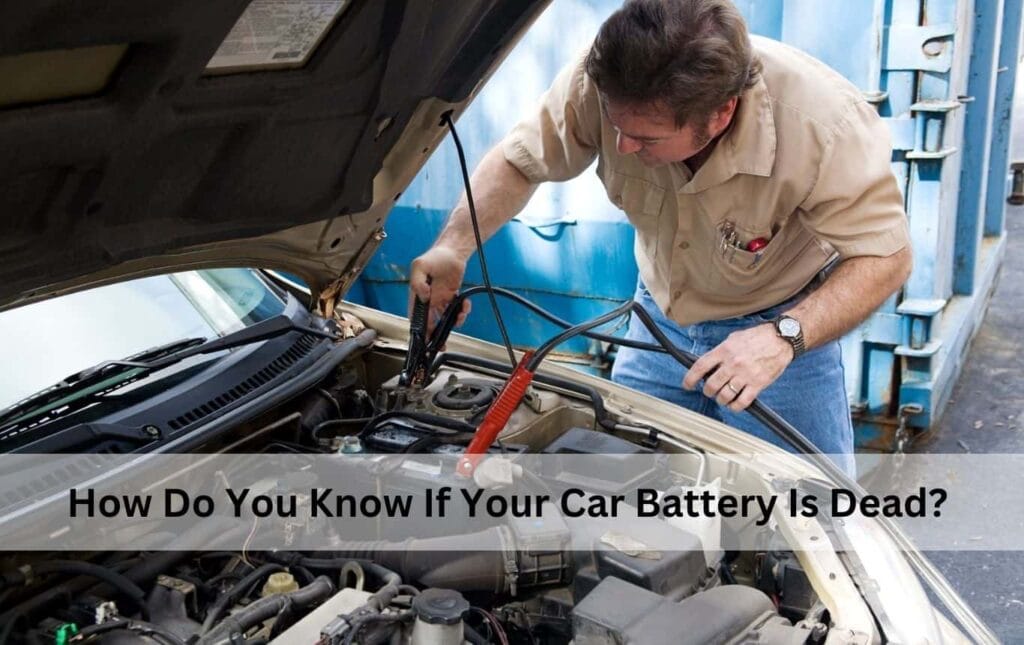
If your car will not start, makes a clicking sound, or has no power to the lights and radio, the battery may be dead. A jump-start that fails is another clear sign.
In this article, we will discuss how do you know if your car battery is dead.
Introduction to Car Battery Problems
A dead car battery can turn a normal day into a frustrating one faster than you can say “roadside assistance.” One minute you’re ready to head out, and the next, your car refuses to cooperate. So how do you know if your car battery is dead or just having a bad day?
Understanding the warning signs can save you time, money, and a whole lot of stress. Let’s explain it straightforwardly.
Why Do Car Batteries Fail?
Car batteries don’t last forever. They wear out naturally over time, just like phone batteries. Add extreme temperatures, poor maintenance, or electrical issues, and failure becomes almost inevitable.
Why is it important to identify a dead battery early?
Catching battery problems early can prevent breakdowns, protect your alternator, and stop you from getting stranded in the worst possible place, like a parking lot in the rain.
What Does A Car Battery Do?
Basic Function Of A Car Battery
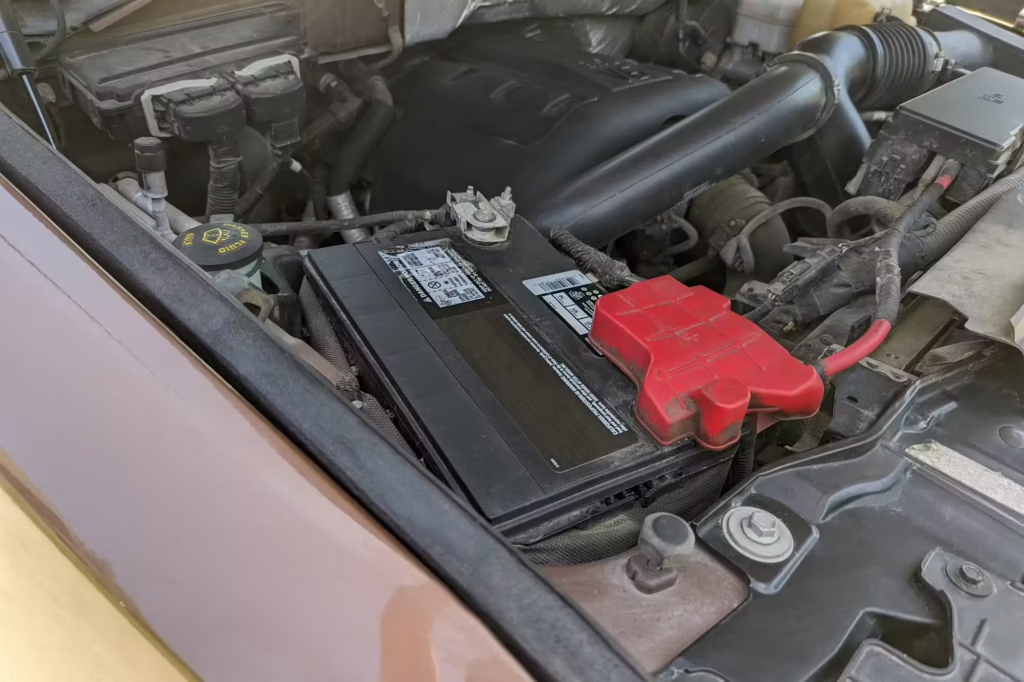
The car battery powers all the electrical systems in your vehicle. It provides the initial power needed to start the engine and supplies electricity to lights, radio, infotainment, and other electronics. Think of it as the spark that wakes your car up.
Difference Between A Weak And Dead Battery
A weak battery still has some juice but struggles to do its job. A dead battery? That one’s completely drained, no power, no start, no mercy.
What to do if car battery dies?
If your car battery dies, first try jump-starting it using jumper cables and another vehicle. Check that the battery terminals are clean and tightly connected. If the vehicle still does not start, call a roadside support service for help. Consider replacing the battery if it is old or repeatedly loses charge.
Common Signs Your Car Battery Is Dead
Car Won’t Start At All
This is the most obvious sign. You turn the key or press the start button, and… nothing. No engine noise, no effort, just silence.
Clicking Sound When Turning the Key
If you hear rapid clicking, your battery likely doesn’t have enough power to start the engine. It’s basically your car saying, “I’m trying, but I can’t.”
Engine Cranks Slowly
A slow, lazy crank is a classic sign of a dying or dead battery. The engine turns over, but it feels like it’s running through thick mud.
Dim Headlights and Interior Lights

Dim or flickering lights are a dead giveaway. If your headlights look tired or your dashboard lights fade, your battery is probably on its last legs.
Electrical Components Not Working
Power windows, radio, and air conditioning: if multiple electronics stop working at once, the battery is often the culprit.
Warning Signs Before the Battery Dies
Battery Warning Light On Dashboard
That little battery icon isn’t just decoration. If it lights up, your charging system or battery is in trouble.
Frequent Jump Starts Needed
If you’re jump-starting your car more often than you fill up with gas, your battery is waving a white flag.
Corroded Battery Terminals
White or bluish corrosion around battery terminals can block power flow and signal deeper battery issues.
Swollen or Leaking Battery Case
A bloated or leaking battery case usually means internal damage. At this point, replacement isn’t optional; it’s urgent.
How Does Weather Affect Car Batteries?

Cold Weather and Battery Failure
Cold conditions make the battery’s chemical processes less efficient. That’s why batteries tend to die on winter mornings when you’re already late.
Hot Weather and Battery Damage
Heat accelerates battery wear by evaporating internal fluids. Long-term exposure to high temperatures can shorten battery life dramatically.
How to Test If Your Car Battery Is Dead?
Using a Multimeter
When your car is off, a healthy battery should measure close to 12.6 volts. Anything below 12 volts usually means trouble.
Testing With Headlights
Turn on your headlights without starting the car. If they’re dim or go out quickly, the battery is likely dead.
Getting A Professional Battery Test
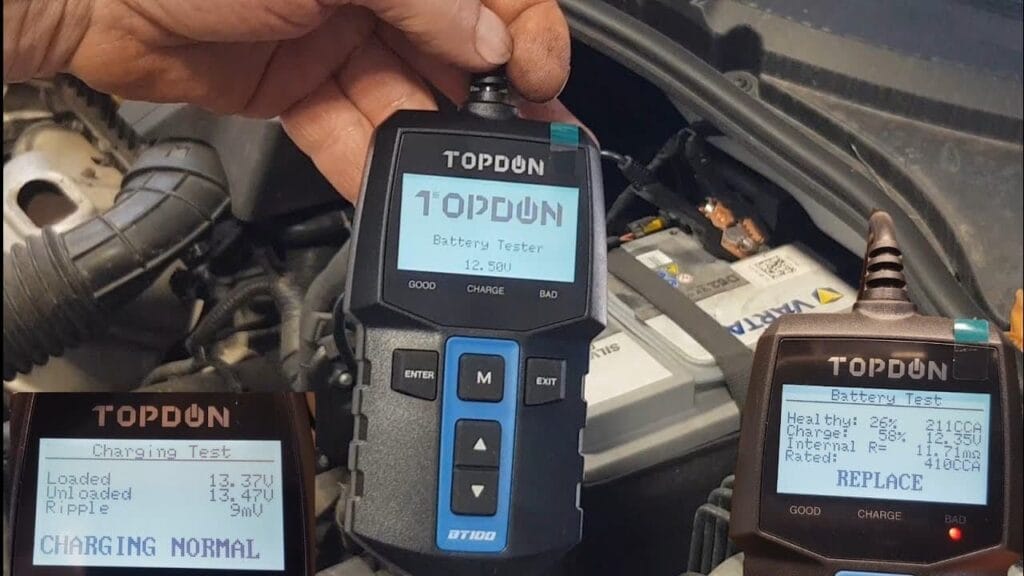
Most auto parts stores offer free battery testing. It’s quick, accurate, and can confirm whether you need a recharge or replacement.
Car Battery Died While Parke
A car battery can die while parked if lights, electronics, or accessories are left on, or the battery is old. Extreme weather also drains power. Always check your battery and avoid leaving devices plugged in when parked.
Flat Battery Vs Dead Battery
| Won’t start even with a jump | Flat Battery | Dead Battery |
| Power | Can still be charged | Cannot hold charge |
| Start | Might start with jump | Won’t start even with jump |
| Cause | Temporary drain | Old or damaged battery |
| Fix | Recharge | Replace needed |
A flat battery loses some charge but recovers with a jump or charger. A dead battery is permanently damaged and needs replacement.
How to Know if Your Car Battery Is Dead or Just Discharged?
If your car struggles to start, makes clicking sounds, or has electronics that work weakly, your battery may be discharged. If jump-starting fails, it is likely dead. Checking with a multimeter helps confirm the battery’s condition.
Signs of a Discharged Battery
- Slow engine crank
- Dim lights or weak electronics
- The car starts with a jump.
A discharged battery still holds some power and can be recharged easily using a charger or jump-start.
Signs of a Dead Car Battery
- The car won’t start, even with a jump.
- The lights and the radio do not work.
- The battery looks swollen or is leaking.
A dead battery cannot hold a charge and usually needs to be replaced immediately.
Obvious Signs Your Car Battery Is Dying
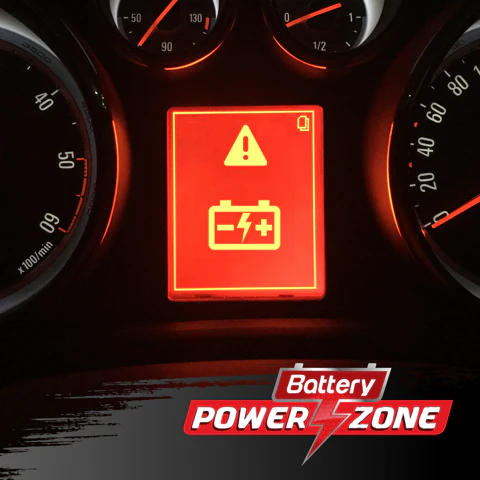
If your engine starts slowly, the headlights look dim, or the battery warning light appears, your car battery may be weak. Frequent jump-starts also mean the battery is near the end of its life.
What To Do If You Notice These Signs?
- Turn off extra electronics
- Get the battery tested.
- Recharge or replace if needed
- Avoid short trips
Act quickly to prevent sudden breakdowns and being stuck unexpectedly.
Starting Problems? How to Tell If It’s the Battery or Alternator
If your car struggles to start, first check the battery. A weak battery causes slow cranking or clicking sounds. If the car starts but dies while driving, the alternator is likely failing because it cannot keep the battery charged properly.
Signs & Symptoms Of A Bad Battery
A bad battery often shows slow engine cranking, dim headlights, and frequent need for jump-starts. The battery may be old, swollen, or give off a bad smell. These signs mean the battery cannot store enough power to start the car reliably.
How to Tell If Your Battery Is the Problem?
If your car starts after a jump-start but struggles again later, the battery is likely the issue. A battery test or low voltage reading on a multimeter also confirms the battery cannot hold a proper charge.
Signs & Symptoms Of A Bad Alternator
A failing alternator causes dim or flickering lights, warning lights on the dashboard, and power loss while driving. The car may start but stall soon after. These signs show the alternator is not charging the battery correctly.
How To Tell If Your Alternator Is The Problem?
| The battery keeps dying | What It Means |
| Car dies while driving | Alternator not supplying power |
| Battery keeps dying | Battery not charging |
| Lights flicker when driving | Weak alternator output |
If these happen, the alternator is likely faulty.
Battery Vs Alternator Comparison
| Feature | Car Battery | Alternator |
| Main Job | Starts the car | Charges the battery |
| Power Source | Stored energy | Engine-driven |
| Failure Sign | Slow or no start | Car dies while driving |
The battery provides starting power, while the alternator keeps it charged. Problems in either can stop your car.
Signs Of A Bad Car Battery Vs. Alternator
A bad battery causes slow cranking, dim lights, and frequent jump-starts. A bad alternator lets the car start but causes power loss while driving. If the battery keeps dying even after charging, the alternator is often the real problem.
Symptoms Of A Bad Battery
A bad battery shows weak engine start, dim headlights, clicking sounds, and trouble starting after parking overnight. The battery may be old or swollen. These symptoms mean the battery can no longer store enough power for reliable starts.
Symptoms Of A Bad Alternator
A failing alternator causes dashboard warning lights, flickering headlights, and electrical failures while driving. The car may stall suddenly. These symptoms show the alternator is not producing enough power to run the vehicle and charge the battery.
Causes of Battery & Alternator Failure
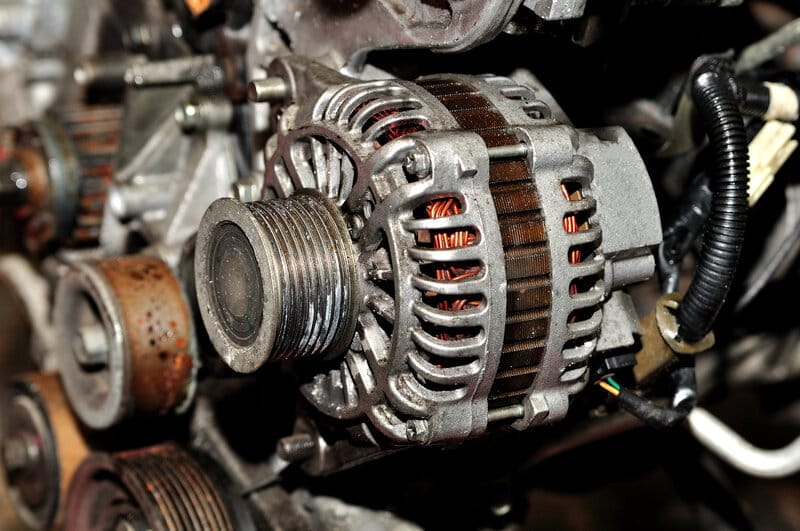
Battery and alternator failure usually happens due to age, heat, poor maintenance, or electrical overload. A weak battery puts extra stress on the alternator, while a bad alternator fails to recharge the battery, causing both parts to fail over time.
Causes of a Bad Battery
A car battery fails because of old age, extreme heat or cold, leaving lights on, short trips, or corrosion on terminals. Over time, the battery loses its ability to hold a charge and can no longer start the car properly.
Causes of a Bad Alternator
An alternator goes bad due to worn internal parts, loose belts, electrical overload, or moisture damage. When the alternator cannot generate enough power, it stops charging the battery and causes electrical problems while driving.
Causes of a Bad Battery vs. Alternator
| Battery Causes | Alternator Causes |
| Old age | Worn internal parts |
| Heat damage | Loose or broken belt |
| Power drain | Electrical overload |
Battery issues are storage-related, while alternator issues are power-generation related.
Troubleshooting & Safety
How to Know If the Battery or Alternator Is Bad: Troubleshooting Tips
Start with a jump start. If the car starts but dies later, the alternator is likely bad. If the car struggles to start again, the battery is weak. A multimeter test gives the most accurate result.
Can You Drive with a Bad Alternator or Battery?
You may drive a short distance with a weak battery, but driving with a bad alternator is unsafe. The car can lose power suddenly while driving. Always fix the problem quickly to avoid breakdowns or accidents.
What’s The Purpose Of Your Car Battery & Alternator?
The battery provides power to start the car and run electronics when the engine is off. The alternator powers the car while driving and keeps the battery charged. Both work together to keep the car running smoothly.
Professional Help
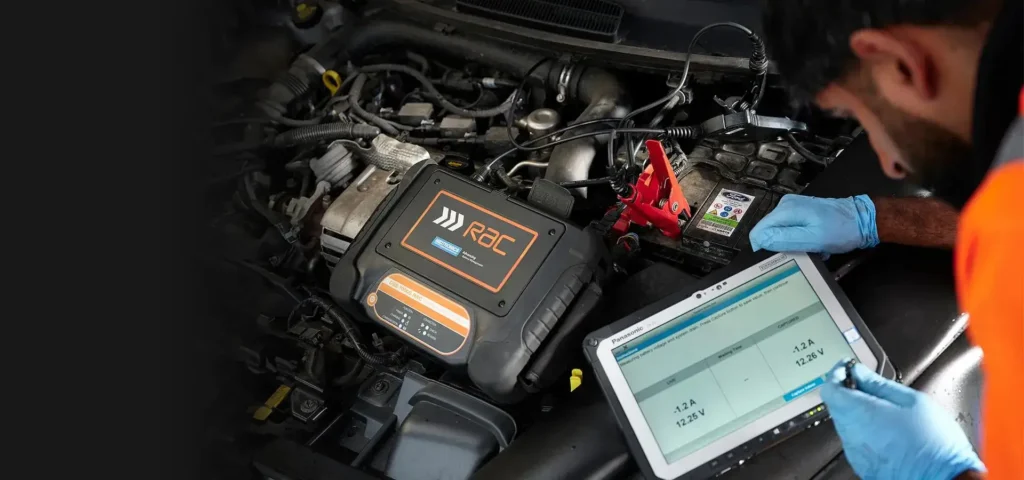
If Your Car Still Won’t Start, Stop By Les Schwab.
If your car will not start after basic checks, a professional inspection is needed. Trained technicians can test the battery and alternator properly and recommend repair or replacement to prevent further damage.
Trust Firestone Complete Auto Care to Diagnose the Problem
Professional auto care centers use advanced tools to accurately diagnose battery and alternator problems. Proper testing saves time, prevents wrong repairs, and ensures your car is safe and reliable again.
FAQs
1. How Long Will A Car Run With A Bad Alternator?
A car may run 30 minutes to a few hours with a bad alternator. Once the battery drains completely, the engine will stop, and the car will not restart.
2. How Do You Fix A Bad Alternator?
A bad alternator is usually fixed by replacing it. Sometimes a loose belt or wiring issue can be repaired, but internal alternator damage needs full replacement.
3. How Do You Screen Test Your Car Alternator?
You can test an alternator using a multimeter. With the engine running, the voltage should be around 13.5–14.5 volts. Lower voltage means the alternator is weak.
4. Can You Jumpstart A Car With A Bad Alternator?
Yes, you can jumpstart it, but the car may die again soon. A bad alternator cannot recharge the battery, so jump-starting is only a temporary solution.
5. Can a Bad Alternator Mess Up Your Battery?
Yes, a bad alternator can damage your battery. It may undercharge or overcharge the battery, reducing battery life and causing repeated starting problems.
6. How Do You Fix a Bad Battery?
A bad battery is usually fixed by replacing it. Cleaning terminals may help slightly, but an old or damaged battery cannot be repaired permanently.
7. How Do You Screen Test Your Car Battery?
You can test a car battery using a multimeter. A healthy battery shows about 12.6 volts when the engine is off. Lower voltage means the battery is weak.
8. Can A Bad Battery Mess Up An Alternator?
Yes, a bad battery can strain the alternator. The alternator works harder to charge it, which can overheat and damage the alternator over time.
9. Signs of a Bad Car Battery vs. Starter
A bad battery causes clicking sounds and dim lights. A bad starter causes a single loud click or no response at all, even with a good battery.
10. Is My Car Battery Dead If The Lights Turn On?
Not always. Lights turning on means some power is left, but the battery may still be too weak to start the engine properly.
11. How to Know If Your Car Battery Is Bad?
If your car starts slowly, needs frequent jump-starts, or struggles after parking overnight, your battery is likely weak or failing.
12. Is My Car Battery Dead If The Radio Works?
No, the radio uses little power. A battery can run the radio but still be too weak to start the engine.
13. How to Know If Battery Is Bad?
A bad battery shows slow cranking, dim lights, warning lights, or failure to start. Testing voltage confirms if the battery needs replacement.
14. How to Tell If Car Battery Is Bad With Multimeter?
Set the multimeter to DC volts. If the battery reads below 12.4 volts when off, it is weak. Below 12 volts means it is bad.
15. How to Tell If You Have a Dead Battery?
If your car will not start, the lights do not turn on, and jump-starting fails, the battery is likely completely dead and needs replacement.
16. How Do I Know If My Car Battery Is Dead?
If your car will not start, the lights stay off, and jump-starting does not work, the battery is likely dead and needs replacement.
17. How To Tell If a Carto Battery Is Actually Dead?
A battery is actually dead if the car shows no power at all and cannot be recharged or jump-started successfully.
18. Is My Battery Dying? Or is it something else?
If your car starts slowly but still runs, the battery may be dying. If it stalls while driving, the alternator could be the problem.
19. How Do You Know If a Car Battery Is Completely Dead?
A completely dead battery shows no lights, no radio, and no engine response, even after jump-starting or charging attempts.
20. How Do I Know If My Car Battery Needs Replacing?
If the battery is old, fails tests, needs frequent jump-starts, or cannot hold a charge, it is time to replace it.
21. What Drains A Car Battery When The Car Is Off?
Leaving lights on, plugged accessories, alarm systems, extreme weather, or electrical faults can drain a car battery while parked.
22. How Do You Know If Your Car Battery Is Bad Or Alternator?
If jump-starting helps only briefly, the alternator may be bad. If charging fixes the issue, the battery was likely weak.
23. Battery Dead: How Do You Know If It Needs Replacing or Just Charging?
If charging works and the car runs normally, the battery was discharged. If it dies again quickly, replacement is needed.
24. How Does Someone Know Whether A Car Battery Is Dead And Needs To Be Replaced Or Just Needs A Jump Start?
If the car starts and runs fine after a jump-start, the battery needs to be charged. If it dies again, the battery is likely dead.
25. How Do You Know If Your Car Battery Is Drained And Won’t Recharge, Or If There Is Something Wrong With The Alternator?
If the car runs only with a charged battery but dies while driving, the alternator is faulty. Repeated dead batteries also point to alternator issues.
Conclusion
Knowing how to tell if your car battery is dead can save you from frustration and unexpected breakdowns. From slow starts to dim lights, your car usually gives plenty of warning signs if you know what to look for. Stay proactive, test your battery regularly, and don’t ignore early symptoms. A little attention now can prevent a big headache later.