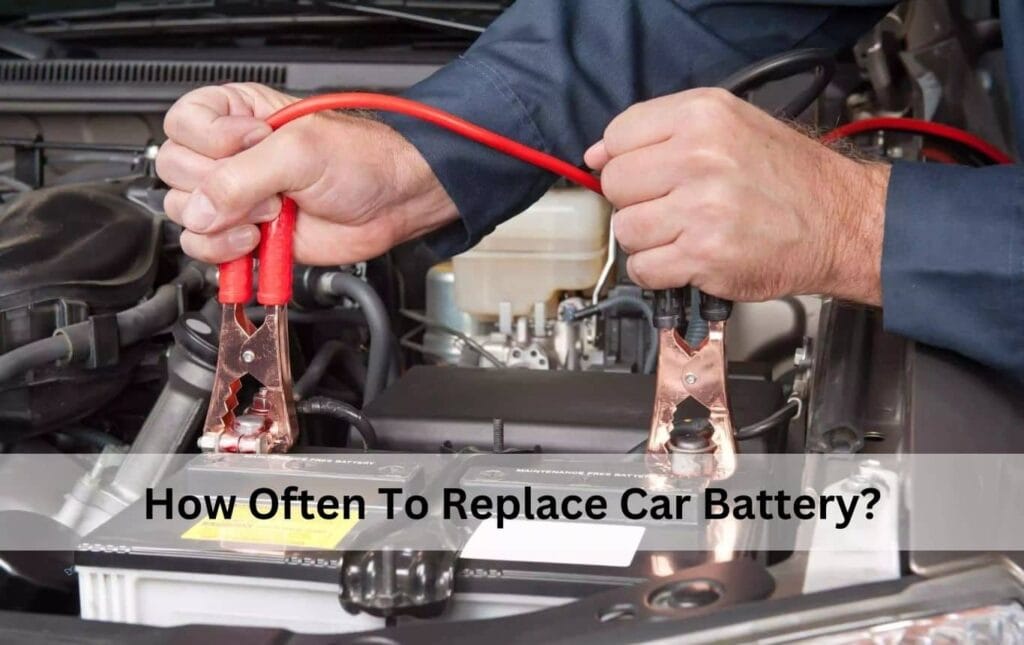
When I first began driving, I never thought about car batteries until my car failed to start. That moment taught me that replacing a battery on time prevents stress and delays.
How often to replace a car battery? (Short Answer)
Most car batteries should be replaced every 3 to 5 years for reliable performance. Driving habits, weather, and battery quality can affect lifespan. Replacing on time helps prevent sudden breakdowns and starting problems.
In this article, we will discuss how often to replace car battery.
Understanding the Role of a Car Battery

What Does a Car Battery Actually Do?
Your car battery is like the heart of your vehicle. It supplies the electrical energy needed to start the engine and powers everything from headlights to infotainment systems. Without it, your car is basically a very expensive lawn ornament.
Why Battery Health Matters More Than You Think?
A weak battery doesn’t just affect starting. It can cause flickering lights, malfunctioning electronics, and even damage other components. Think of it as a domino effect one small issue can knock over many others.
Average Lifespan Of A Car Battery
Most car batteries last 3 to 5 years, but this is only a general estimate. Actual battery life depends on driving habits, climate, and vehicle type.
- Lead-acid batteries: the most common type, usually last 3–4 years with normal daily use.
- AGM batteries are more durable and can last 4–6 years, especially in modern cars with start-stop systems.
- Lithium-ion batteries, mainly used in hybrid and electric vehicles, have a much longer lifespan of 8–10 years, making them a different category altogether.
Key Factors That Affect Car Battery Life
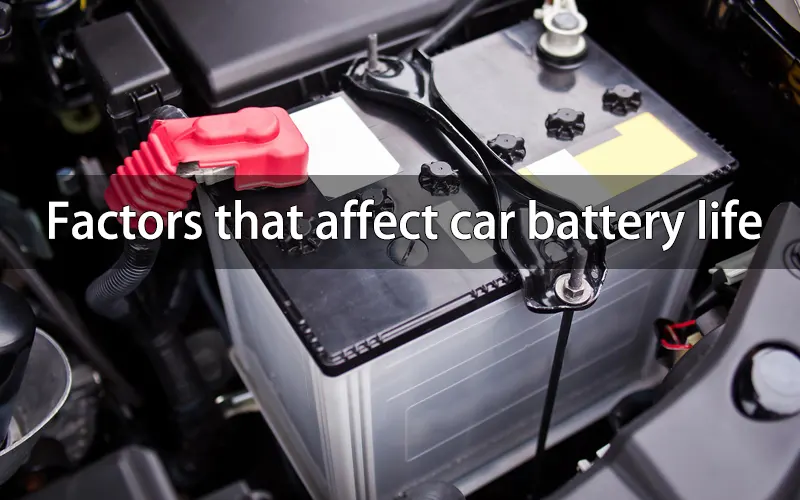
- Climate and weather conditions play a major role in battery health. Extreme heat speeds up chemical reactions inside the battery and causes faster wear, while cold weather reduces battery power and makes starting harder.
- Driving habits also matter. Short trips and frequent stop-and-go driving don’t allow the battery to fully recharge, which can shorten its lifespan over time.
- Vehicle type and electronics add extra strain. Modern cars use more power for features like touchscreens, sensors, and cameras, which puts constant demand on the battery.
- Battery quality and brand make a big difference. High-quality batteries usually last longer, while cheaper options may fail earlier and cost more in the long run.
Signs It’s Time to Replace Your Car Battery
- One of the first signs of a weak battery is when the engine turns over slowly. If your car takes longer than usual to start, the battery may be losing power.
- Dashboard warning lights should never be ignored. A battery or charging-system light often means the battery is no longer working properly.
- Electrical issues like dim headlights, slow power windows, or a malfunctioning radio can indicate weak battery voltage.
- A swollen or leaking battery case is a serious problem, usually caused by heat damage. In this case, the battery should be replaced immediately for safety.
Key Signs of a Weak or Bad Car Battery
- Slow engine crank: Engine starts slowly or struggles to turn over.
- Frequent jump-starts: Battery can’t hold a charge.
- Dim headlights: Lights look weak, especially at idle.
- Dashboard warning lights: Battery or charging warning appears.
- Swollen or bulging battery: Indicates overheating or overcharging.
How Often Should You Replace a Car Battery?
| Factor | What It Means for Battery Life |
|---|---|
| General replacement time | Most car batteries should be replaced every 3 to 5 years, even if they still work. |
| Replacement based on mileage | Mileage matters less than age, but heavy daily use can shorten battery life. |
| City driving | Frequent stops and short trips drain the battery faster. |
| Highway driving | Smooth, long drives help the battery recharge properly. |
Seasonal Impact on Battery Replacement

Summer Heat and Battery Damage
Hot summers accelerate battery wear. If you live in a hot region, expect to replace your battery closer to the 3-year mark.
Winter Cold and Battery Failure
Cold weather exposes weak batteries. Many batteries fail in winter, even though the damage happened in summer
Testing Your Car Battery
Professional Battery Testing
Testing your car battery regularly helps you avoid sudden breakdowns and starting problems. Professional battery testing is available at most auto shops for free. It is quick, accurate, and checks the battery’s health under load, not just voltage. This test clearly shows whether the battery is still strong or needs replacement.
DIY Battery Testing Methods
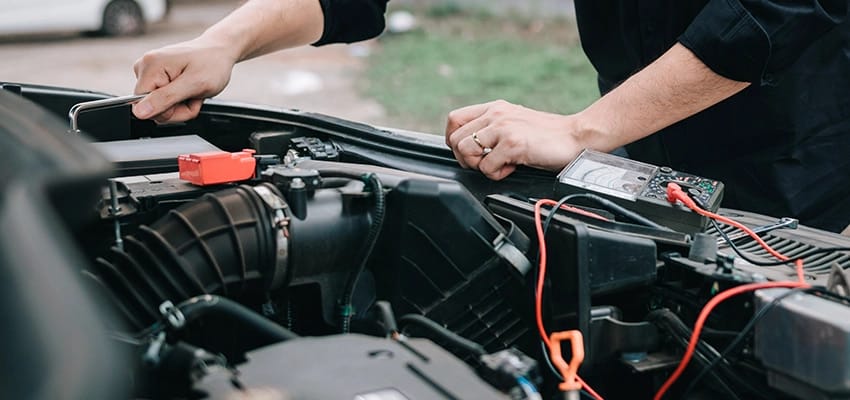
If you prefer checking at home, DIY battery testing is also helpful. Using a multimeter, measure the battery voltage when the engine is off. A healthy battery usually shows around 12.6 volts. If the reading stays below 12.4 volts, it often means the battery is weak and may fail soon.
Regular testing helps you plan replacement before the battery dies completely.
Extending the Life of Your Car Battery
Regular Maintenance Tips
Taking care of your car battery can help it last longer and save you from unexpected problems. Regular maintenance is very important. Always keep the battery terminals clean and free from corrosion, as dirty connections reduce charging efficiency. Even simple cleaning once in a while can make a big difference.
Smart Driving Habits
Smart driving habits also protect battery life. Avoid very short trips because the battery does not get enough time to fully recharge. Combine your trips and go for longer drives whenever you can. Also, always turn off lights, radio, and other electronics before switching off the engine. Many batteries drain early just because accessories are left on by mistake.
When To Recharge Vs When To Replace A Car Battery?
| situation | Recharge the Battery | Replace the Battery |
| Battery drained once (lights left on) | ✅ Yes | ❌ No |
| Car starts after jump-start and works normally | ✅ Yes | ❌ No |
| Battery keeps dying again and again | ❌ No | ✅ Yes |
| Battery fails a load test | ❌ No | ✅ Yes |
| Battery age is under 3 years | ✅ Yes | ❌ No |
| Battery age is over 5 years | ❌ No | ✅ Yes |
| Voltage stays below 12.4V after charging | ❌ No | ✅ Yes |
| Swollen or leaking battery | ❌ No | ✅ Yes |
Cost of Replacing a Car Battery
Average Replacement Costs
The cost of replacing a car battery usually depends on the battery type and your vehicle’s requirements. On average, you can expect to pay between $80 and $250. Standard lead-acid batteries are more affordable, while AGM and advanced batteries used in modern cars cost more.
Factors That Affect Battery Price
Several factors affect the final price. Battery brand plays a big role, as trusted brands often charge more for better reliability. Warranty length also matters; longer warranties usually mean higher prices but better peace of mind.
Lastly, battery technology and vehicle electronics can increase costs, especially in newer or luxury cars.
Choosing the Right Replacement Battery
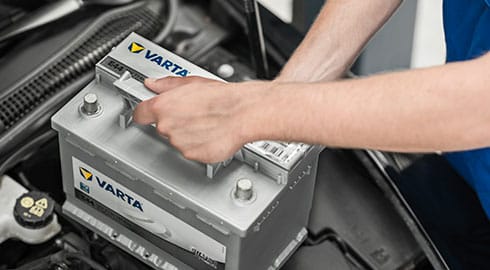
When buying a new car battery, always match the correct specifications recommended by your vehicle manufacturer. This includes the group size, voltage, and cold cranking amps (CCA). Using the wrong battery can cause poor performance or electrical issues.
Also, pay attention to warranty and reliability. A longer warranty usually means better quality and gives peace of mind, just like insurance for your car.
Professional vs DIY Battery Replacement
| Factor | DIY Battery Replacement | Professional Battery Replacement |
| Cost | Cheaper, saves labor cost | More expensive due to service fees |
| Best for | Older cars with simple systems | Modern cars with advanced electronics |
| Installation | Can be done at home | Done by trained technicians |
| Computer/system reset | Usually not required | Properly reset after installation |
| Risk of warning lights | Higher risk in modern vehicles | Very low risk |
| Time required | Depends on experience | Fast and hassle-free |
| Safety | Basic safety knowledge is needed | Safer and more reliable |
Environmental Impact and Battery Disposal
Car batteries are highly recyclable, and most auto shops accept old batteries when you buy a new one. Safe battery recycling protects nature and helps recover important resources.
Never throw a car battery in the trash, as it is harmful and often illegal. Always choose eco-friendly disposal options.
Common Myths About Car Battery Replacement
Many people believe car batteries last forever, but this is not true. All batteries slowly wear out due to chemical aging. Another common myth is that jump-starting fixes battery problems. In reality, jump-starting only provides temporary power and does not repair a weak or failing battery.
How to Know If Your Car Battery Needs to Be Replaced
You may need a new car battery if the engine starts slowly, headlights look dim, warning lights appear on the dashboard, or the battery needs frequent jump-starts. A battery older than 3–5 years is also likely due for replacement.
What Causes Car Battery Deterioration?
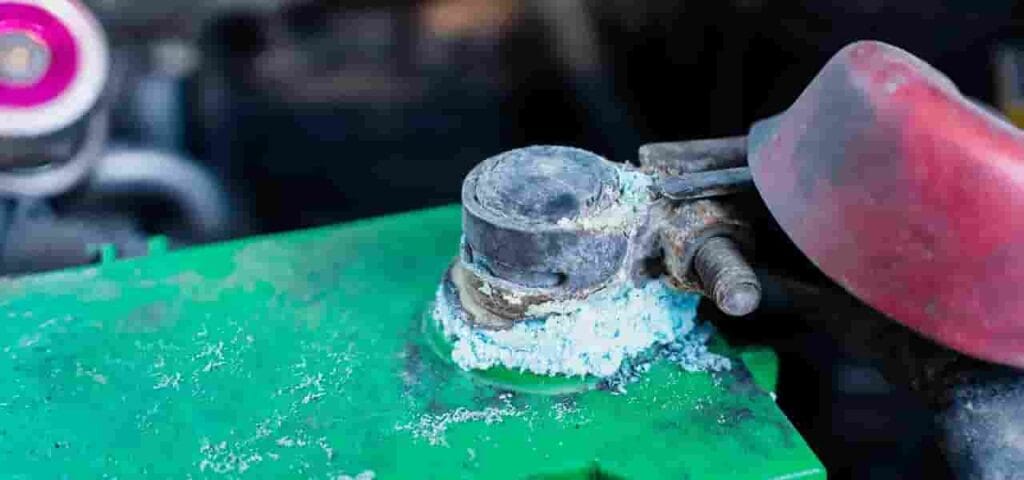
Car batteries deteriorate due to heat, cold weather, short trips, frequent stop-and-go driving, leaving electronics on, and natural chemical aging. Poor-quality batteries also wear out faster over time.
How to Test a Car Battery?
You can test a car battery at an auto shop for free or at home using a multimeter. A healthy battery shows about 12.6 volts. If it stays below 12.4 volts, the battery is weak and may need replacement.
How Much Is a Replacement Car Battery?
A replacement car battery usually costs between $80 and $250. The price depends on battery type, brand, warranty, and vehicle requirements. AGM and advanced batteries are more expensive than standard ones.
FAQs
1. How Much to Replace Car Battery?
The cost to replace a car battery usually ranges between $80 and $250, depending on the battery type, brand, and vehicle model. Standard lead-acid batteries are cheaper, while AGM and hybrid batteries cost more. Labor may add extra cost if installed by a professional.
2. What Is The Average Life Of A Car Battery?
The average car battery lasts 3 to 5 years. Climate, driving habits, and vehicle electronics play a major role in determining whether it lasts closer to three years or stretches beyond five.
3. How Often to Replace Car Battery Miles?
Most car batteries need replacement every 40,000 to 60,000 miles, depending on usage. Frequent short trips and city driving can shorten battery life, even if mileage is low.
4. How Often to Replace Car Battery Toyota?
Toyota recommends checking the battery after 3 years and replacing it between 3 and 5 years. Toyota vehicles with advanced electronics may require replacement closer to the lower end of that range.
5. How Often To Change Car Battery Honda?
Honda car batteries typically last 3 to 4 years. Vehicles with start-stop systems or heavy electrical usage may need battery replacement sooner.
6. How Often to Replace Car Battery Hybrid?
Hybrid car batteries last much longer than regular car batteries usually 8 to 10 years or 100,000 to 150,000 miles. The 12-volt auxiliary battery in hybrids, however, still needs replacement every 3 to 5 years.
7. When to Change Car Battery Voltage?
A healthy car battery should read around 12.6 volts when the engine is off. If the voltage drops below 12.4 volts consistently, or below 12.0 volts, it’s a strong sign the battery should be replaced.
8. What Are Signs Of A Weak Car Battery?
Common signs include slow engine cranking, dim headlights, flickering dashboard lights, electrical issues (radio or windows acting up), frequent jump-starts, and a battery warning light on the dashboard.
9. Do Car Batteries Need To Be Changed?
Yes, car batteries wear out over time due to chemical aging and regular use. Even with good care, every battery eventually needs replacement.
10. How Often Do We Need To Replace Car Batteries?
In most cases, car batteries should be replaced every 3 to 5 years, depending on climate, driving habits, and vehicle electronics.
11. Does A New Battery Make Your Car Run Smoother?
Yes, a new battery provides stable power, which improves engine starts, supports electronics properly, and can eliminate issues caused by low voltage.
12. How Often Do You Need To Replace A Car Battery?
Typically every 3 to 5 years. In hot climates or heavy city driving, replacement may be needed sooner.
13. How Often Do You Need to Replace Car Battery?
The answer is the same: usually every 3 to 5 years, or earlier if warning signs appear.
14. How Often Does A Car Battery Need To Be Replaced?
A car battery generally needs replacement after 3–5 years, or when voltage drops below healthy levels and performance becomes unreliable.
15. How Often Do Car Batteries Need to Be Replaced?
Car batteries usually need replacement every 3 to 5 years. Extreme weather, short trips, and heavy electrical use can shorten this lifespan.
16. How Often Do You Change Your Car Battery?
Most drivers change their car battery once every 3–5 years, or sooner if starting issues or electrical problems appear.
17. How Do I Know When My Car Needs A New Battery?
You’ll notice slow engine starts, dim lights, dashboard warning lights, frequent jump-starts, or a battery older than three years failing a test.
18. How to Know If a Car Battery Needs to Be Replaced or Charged?
If the battery holds 12.6 volts after charging, it’s still usable. If the voltage drops quickly or stays below 12.4 volts, replacement is recommended.
19. Does Car Battery Need Replacement Based On Years Or Mileage?
Yes, car batteries are replaced mainly based on age, not mileage. Most fail after a certain number of years, regardless of how far the car has been driven.
20. Do You Replace The Battery On A Car As A Preventative Measure Or Do You Wait Until It Breaks?
Yes, Preventive replacement is smarter. Replacing a battery around the 3–4 year mark helps avoid sudden breakdowns and towing costs.
21. Is It Common For Car Batteries To Need Frequent Replacement? Why Might This Be The Case?
Yes, it can be common. Frequent short trips, extreme temperatures, high electrical demand, and low-quality batteries all contribute to faster battery wear.
22. Replacing Batteries Every 2 Years?
Replacing a car battery every 2 years is usually not necessary for most vehicles. Most car batteries last 3–5 years, but extreme heat, short trips, or heavy electrical use can shorten battery life.
Conclusion
So, how often should you replace a car battery? In most cases, every 3 to 5 years is the sweet spot. But climate, driving habits, and vehicle type can push that number up or down. Pay attention to warning signs, test your battery regularly, and don’t wait for it to fail at the worst moment. A proactive replacement is always cheaper and less stressful than an emergency tow.