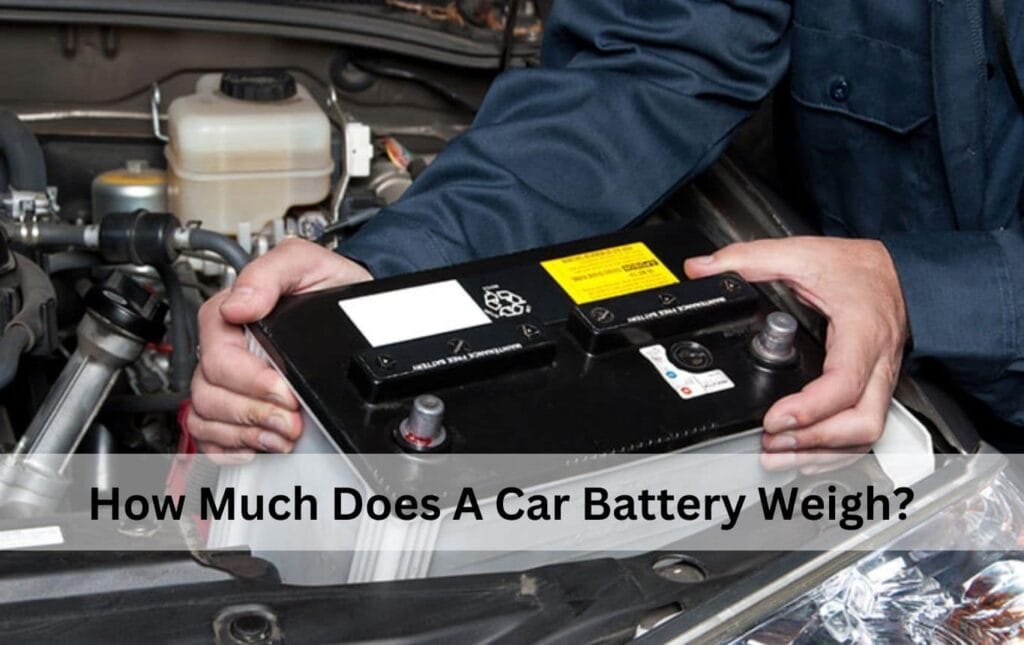
When I first changed my car battery, I was surprised by its heavy weight. That experience made me curious to learn how much car batteries weigh and why weight matters.
How Much Does A Car Battery Weigh? (Average Car Battery Weight Guide)
A standard car battery usually weighs between 30 and 50 pounds (13 and 23 kg), depending on the battery type and size. Smaller vehicles use lighter batteries, while trucks and SUVs often require heavier ones. Battery weight varies due to materials, capacity, and overall power output.
In this article, we will discuss How Much Does a Car Battery Weigh?
Average Weight of a Car Battery
The weight of a car battery depends mainly on its type, size, and capacity.
- Most standard lead-acid car batteries usually weigh around 30 to 50 pounds (13.6–22.7 kg), depending on the battery size and capacity.
- AGM (Absorbent Glass Mat) batteries usually fall in the 30 to 45-pound (13.6–20.4 kg) range.
- Lithium-ion car batteries are much lighter, often weighing 10 to 20 pounds (4.5–9.1 kg).
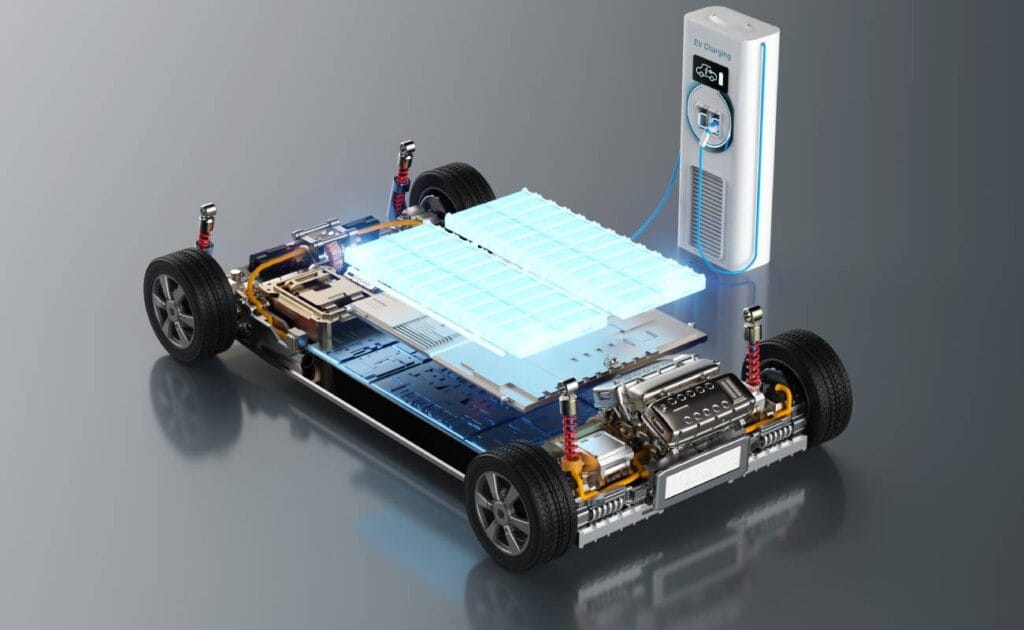
- Electric vehicle (EV) battery packs are dramatically heavier and can weigh over 1,000 pounds (450 kg).
For instance, a Tesla Model S uses a large battery pack that weighs approximately 1,200 pounds (about 540 kg).
How Much Does a Car Battery Weigh on Average?
On average, a traditional 12-volt car battery weighs between 30 and 50 pounds (13–23 kg). This weight comes mainly from lead plates and liquid electrolyte inside the battery. Small cars usually use lighter batteries, while SUVs and vans use heavier ones.
How Much Do Auto Batteries Weigh for Electric Vehicles?
Electric vehicle batteries are much heavier because they store energy to move the car. Most EV battery packs weigh between 600 and 1,500 pounds (270–680 kg). Some large EVs can even exceed this range.
Average EV Battery Weights
| Vehicle Type | Battery Weight |
| Small EV | 600–900 lbs (270–410 kg) |
| Mid-size EV | 900–1,200 lbs (410–540 kg) |
| Large EV / SUV | 1,200–1,500+ lbs (540–680+ kg) |
Types of Car Batteries
Lead-Acid Batteries
Flooded Lead-Acid (Wet Cell)
- Most common type
- Uses liquid electrolyte
- Requires regular maintenance
- Offers around 30,000 engine starts
Enhanced Flooded Batteries (EFB)
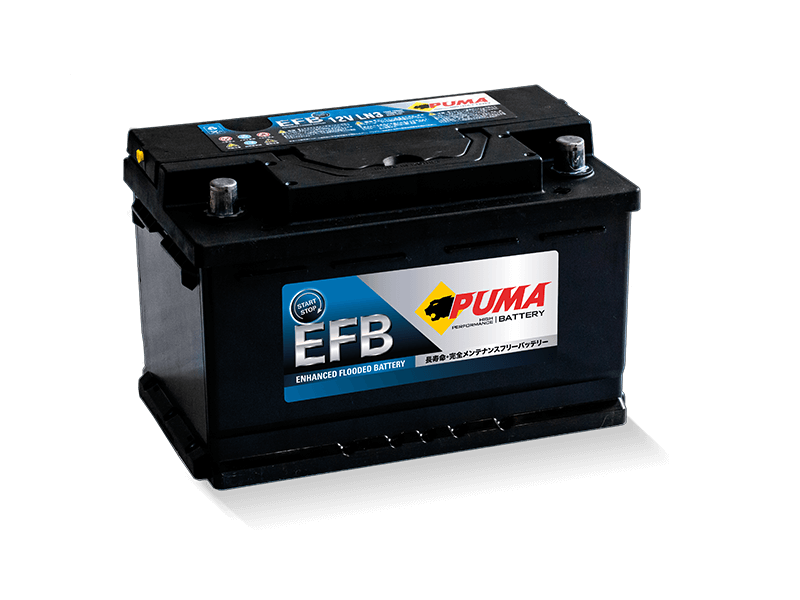
- Designed for start-stop vehicles
- Improved durability over wet cells
- Provides up to 85,000 engine starts
AGM (Absorbent Glass Mat)
- Electrolyte absorbed in fiberglass mats
- Faster charging and longer lifespan
- Performs well in cold weather
- Common in luxury and high-tech vehicles
Lithium-Ion Batteries
Lithium-ion batteries are widely used in electric and hybrid vehicles because they are lightweight, efficient, and capable of storing large amounts of energy. They are:
- Much lighter than lead-acid batteries
- Capable of storing more energy
- Faster to charge
- Longer-lasting (often 5–8 years or more)
They cost more but offer excellent performance benefits.
Other Battery Types
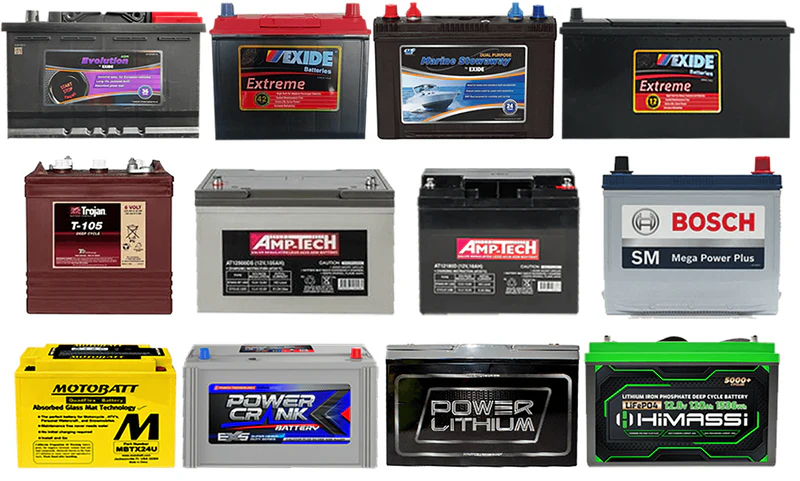
- Gel Cell Batteries: Use gel electrolytes, common in motorcycles and ATVs
- VRLA batteries are sealed lead-acid batteries that include AGM and gel types, designed to be maintenance-free and spill-resistant.
- Silver Calcium Batteries: Improved flooded batteries with better performance
Key Components of a Car Battery
Understanding what’s inside a battery explains why it weighs what it does.
- Positive terminal
- Negative terminal
- Lead plates (electrodes)
- Electrolyte solution
- Separators
- Cell connectors
- Protective casing
Lead plates and electrolyte contribute most of the weight in traditional batteries.
Why the Answer to “How Heavy Are Car Batteries” Is Important?
For many drivers, the weight of a car battery may seem unimportant. However, this detail plays a key role in vehicle performance, safety, maintenance, and even environmental impact. Car battery weight can vary widely based on battery type, size, and materials, reflecting the different needs of small cars, SUVs, and electric vehicles.
Why Car Battery Weight Matters?
Vehicle Performance
Battery weight affects how a car accelerates and handles. Lighter batteries can improve agility and make the vehicle feel more responsive.
Fuel Efficiency
Heavier batteries add extra load to the vehicle. This forces the engine to work harder, which can increase fuel consumption. A lighter battery can help improve mileage.
Battery Replacement

Knowing the battery’s weight helps ensure you choose the correct replacement. The wrong size or weight can cause fitment problems and disturb the vehicle’s weight balance.
Environmental Impact
Lighter batteries often contribute to lower emissions by reducing overall vehicle weight. This supports better fuel economy and sustainability efforts.
Handling and Safety
Battery weight influences vehicle balance and stability. Too much weight in one area can affect control, especially during sharp turns or emergency braking.
In short, the simple question of how heavy a car battery is connects to many important aspects of driving. From design and efficiency to safety and comfort, battery weight plays a much bigger role than most drivers realize.
What Is a Car Battery?
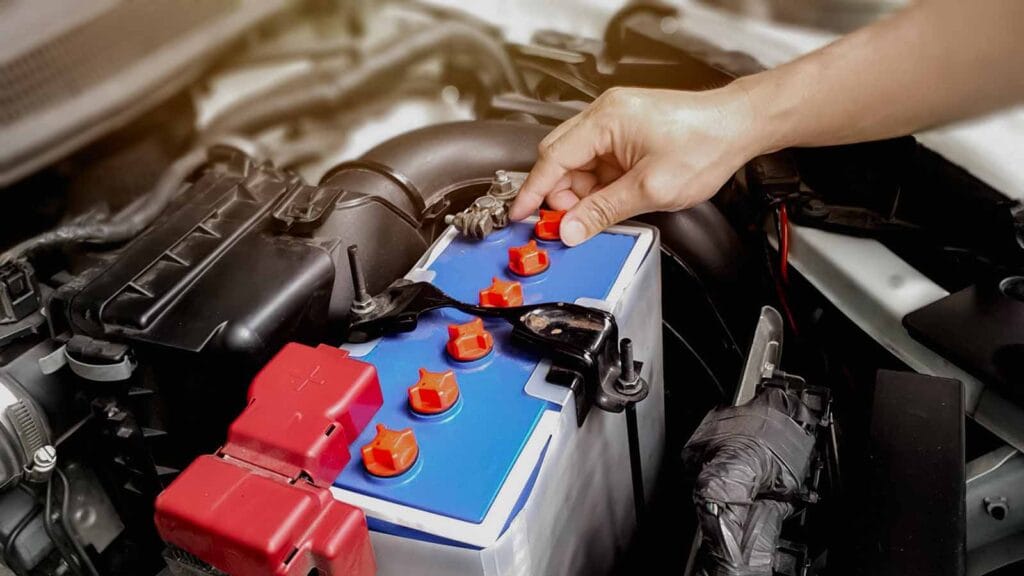
A car battery is a rechargeable power source that provides electricity to start the engine and power electrical systems such as headlights, radios, infotainment systems, and onboard computers.
Most traditional vehicles use 12-volt lead-acid batteries, a technology that has been reliable for more than 150 years. Modern vehicles, especially hybrids and EVs, increasingly rely on lithium-ion battery technology due to its lighter weight and higher energy density.
Which Car Battery Weighs the Lightest?
The weight of an EV battery is important because it affects driving range, efficiency, handling, and safety. A heavier battery can store more energy and increase range, but it also makes the vehicle heavier, which can reduce efficiency, slow braking, and require stronger safety protection.
What Factors Affect Car Battery Weight?
- Battery Type: Lead-acid batteries weigh more because they contain heavy lead plates, whereas lithium-ion batteries are lighter since they are made with less dense materials.
- Battery Capacity: Higher capacity (Ah or kWh) means more internal material, which increases weight.
- Material Density: Denser materials improve durability but add mass.
- Size and Design: Larger batteries weigh more, especially those with reinforced casings and cooling systems.
- Safety Features: Extra structural protection adds weight but improves reliability and safety.
How Car Battery Weight Affects Performance?
- Fuel Efficiency: Heavier batteries increase vehicle weight, forcing the engine to work harder and consume more fuel.
- Acceleration: A heavier battery reduces the power-to-weight ratio, making acceleration slower.
- Handling and Balance: Poor weight distribution can negatively affect cornering and stability.
- Wear and Tear: Extra weight puts more strain on suspension, brakes, and tires.
How to Calculate Car Battery Weight?
- Identify the battery type
- Check the battery label or manufacturer specifications.
- Look up the BCI group number.
- Consider battery capacity (Ah rating).
- Contact the manufacturer if needed
Most manufacturers clearly list battery weight in product documentation.
Car Battery Weight Comparison
| Battery Type | Average Weight |
| Lead-Acid | 30–50 lbs (13.6–22.7 kg) |
| AGM (Absorbent Glass Mat) | 30–45 lbs (13.6–20.4 kg) |
| Gel | 30–40 lbs (13.6–18.1 kg) |
| Lithium-Ion | 10–20 lbs (4.5–9.1 kg) |
| EV Battery Packs | 1,000+ lbs (450+ kg) |
Heavy vs. Light Car Batteries?
Heavy Batteries (Lead-Acid)
Pros:
- Affordable price
- Reliable performance
- Provides high cranking power
Cons:
- Heavy weight
- Shorter lifespan compared to newer batteries
- Requires regular maintenance
Light Batteries (Lithium-Ion)
Pros:
- Lightweight design
- Longer lifespan
- Better efficiency
Cons:
- Higher cost
- Requires special charging equipment
Which Car Battery Is the Lightest?
Lithium-ion batteries are the lightest automotive batteries available. Some racing-grade lithium batteries weigh as little as 3.2 kilograms (7 pounds). These are ideal for performance vehicles but come at a higher price.
How Long Do Car Batteries Last?
- Lead-acid: 3–5 years
- AGM / EFB: 4–7 years
- Lithium-ion: 10–20 years (EVs)
Climate, driving habits, and maintenance significantly affect battery lifespan.
How to Know Your Car Battery’s Weight?
You can find your car battery’s weight by checking the label on the battery, looking up its BCI group number online, or visiting the manufacturer’s website. The owner’s manual may also list battery details, especially for newer or electric vehicles.
Are Heavier Batteries Always More Efficient?

No, heavier batteries are not always more efficient. What matters most is energy density, or how much energy a battery can store for its weight. A heavier battery may hold more power and offer a longer range, but extra weight also makes the vehicle use more energy. Efficiency depends on balance, not weight alone.
FAQs
1. Is Heavier Car Battery Mean Better?
No, a heavier car battery does not always mean it is better. Heavier batteries usually store more power, but lighter batteries can work better, last longer, and improve fuel efficiency, especially in modern and electric cars.
2. How Heavy Is A 12 Volt Car Battery?
A 12-volt car battery usually weighs 30 to 50 pounds (13.5 to 23 kg). Smaller cars may use lighter batteries, while larger vehicles or high-capacity batteries can be on the heavier side.
3. Is A Car Battery Heavy To Carry?
Yes, a car battery can feel heavy. Most car batteries weigh between 30 and 50 pounds, which can be difficult to lift for some people without proper grip or care.
4. How Much Does A 35 Car Battery Weigh?
A Group 35 car battery usually weighs around 38 to 45 pounds (17–20 kg), depending on the brand and whether it is lead-acid or AGM.
5. How Much Are Car Batteries Worth a Pound?
Scrap car batteries are typically worth about $0.10 to $0.30 per pound, depending on local scrap prices and market demand.
6. How Much Does a Dead Car Battery Weigh?
A dead car battery weighs the same as a working one, usually 30 to 50 pounds, because the materials inside do not lose weight when the battery dies.
7. How Long Do Car Batteries Last?
Most car batteries last 3 to 5 years. Climate, driving habits, and maintenance can make them last shorter or longer.
8. What Type of Car Battery Should I Choose?
Choose a battery recommended in your car’s manual. Most cars use lead-acid or AGM batteries, while electric and hybrid cars use lithium-ion batteries.
9. Is It Safe To Dispose Of A Car Battery In Regular Trash?
No, car batteries contain harmful chemicals and must be recycled at auto parts stores or recycling centers.
10. How Can I Tell If My Car Battery Is Still Good?
You can test it with a multimeter or have it checked for free at an auto parts store. A healthy battery reads about 12.6 volts.
11. What Are The Signs Of A Failing Car Battery?
Slow engine start, dim lights, warning lights on the dashboard, battery swelling, or a bad smell are common signs.
12. How Can I Maintain My Car Battery?
Keep terminals clean, drive regularly, secure the battery firmly, avoid leaving lights on, and check it often for damage or corrosion.
13. Can I Replace My Car Battery Myself?
Yes, you can replace a car battery yourself if you have basic tools and follow safety steps. Always disconnect the negative terminal first and wear gloves.
14. How Much Does A Car Battery Cost?
A car battery usually costs $70 to $200, depending on the type, brand, and vehicle. Lithium batteries cost more.
15. How Much Does a Car Battery Weigh in Kg?
A typical car battery weighs 13 to 23 kg, depending on size and type.
16. How Much Does A Car Battery Weigh In Pounds?
Most car batteries weigh between 30 and 50 pounds.
17. How Much Does A Battery Weigh?
Battery weight varies by type. Small batteries weigh a few grams, while car batteries weigh 30–50 pounds, and EV batteries can weigh over 1,000 pounds.
18. How Much Does a Van Battery Weigh?
A van battery usually weighs 45 to 70 pounds (20–32 kg) because vans need higher-capacity batteries.
19. How Much does A Average Car Battery Weigh?
An average car battery usually weighs between 30 and 50 pounds (13 to 23 kg). The exact weight depends on the battery type, size, and the kind of vehicle it is used in.
20. How Much Does A Standard Car Battery Weigh?
A standard car battery usually weighs between 30 and 50 pounds (13 to 23 kilograms), depending on the battery type and the vehicle.
Conclusion
The weight of a car battery depends heavily on its type, size, and purpose. A standard lead-acid battery typically weighs 30 to 50 pounds, while lithium-ion batteries are much lighter and more efficient. Electric vehicle batteries, on the other hand, are massive due to their energy demands.
Understanding battery weight helps you choose the right option for performance, efficiency, and longevity. Whether you want affordability or lightweight performance, knowing what’s under your hood makes all the difference.