I once struggled when my car wouldn’t start. I learned the alternator keeps the battery charged while driving, helping the car run smoothly and preventing unexpected battery problems.
Does Car Alternator Charge Battery? (Short Answer)
Yes! A car alternator charges the battery while the engine runs. It keeps the battery powered, supports electrical systems, and maintains charge, but a weak or dead battery may need a separate charger.
In this article, we will discuss Does Car Alternator Charge Battery.
Understanding the Basics
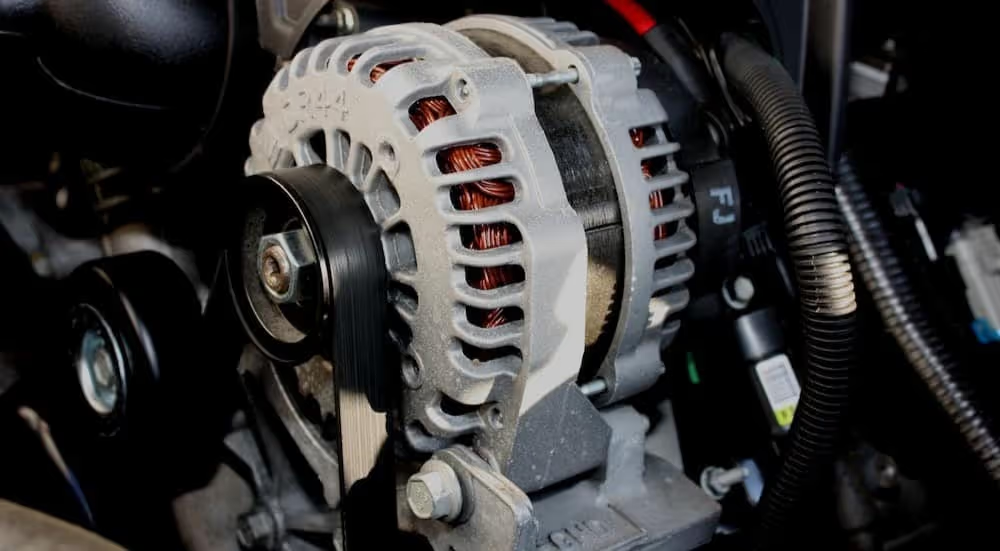
What Is a Car Alternator?
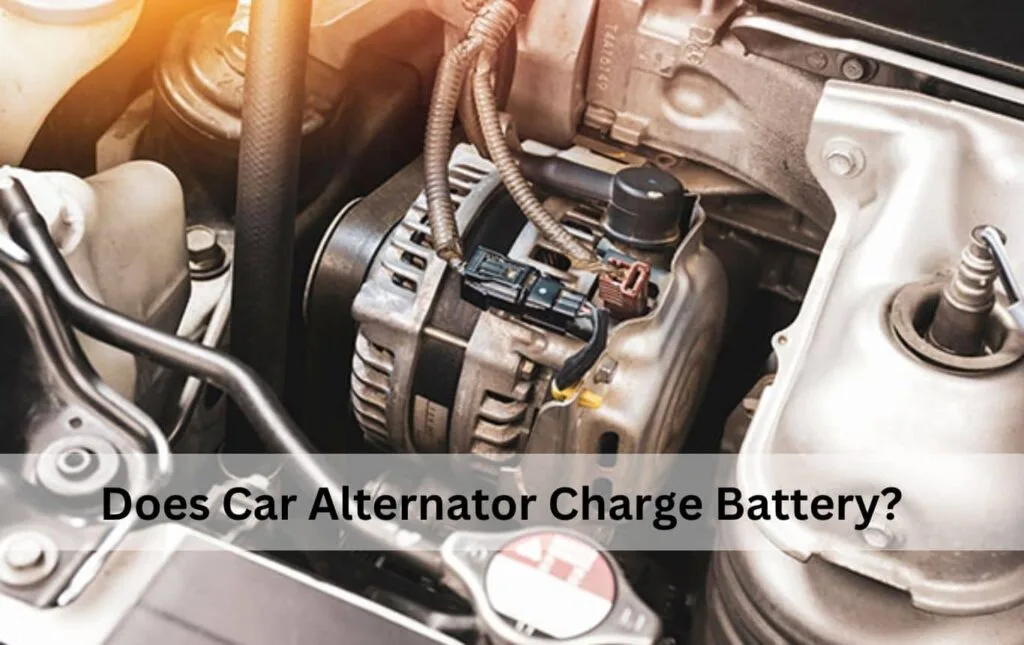
Think of the alternator as a small power station under your hood. After the engine turns on, the alternator produces electricity. It powers your headlights, radio, air conditioner, and all those fancy electronics we can’t live without. More importantly, it sends power back to the battery.
What Is a Car Battery?
The battery’s primary role is to provide power to start the engine. It provides a strong burst of electricity to crank the starter motor. After that, it takes a back seat. Without the alternator, the battery would drain quickly like a phone with no charger.
How Do Both Components Work Together?
Here’s the simple version:
- The battery starts the car.
- The alternator powers the car while driving and restores the battery’s charge.
They’re a team. If one fails, the other soon follows.
How a Car Alternator Charges the Battery?
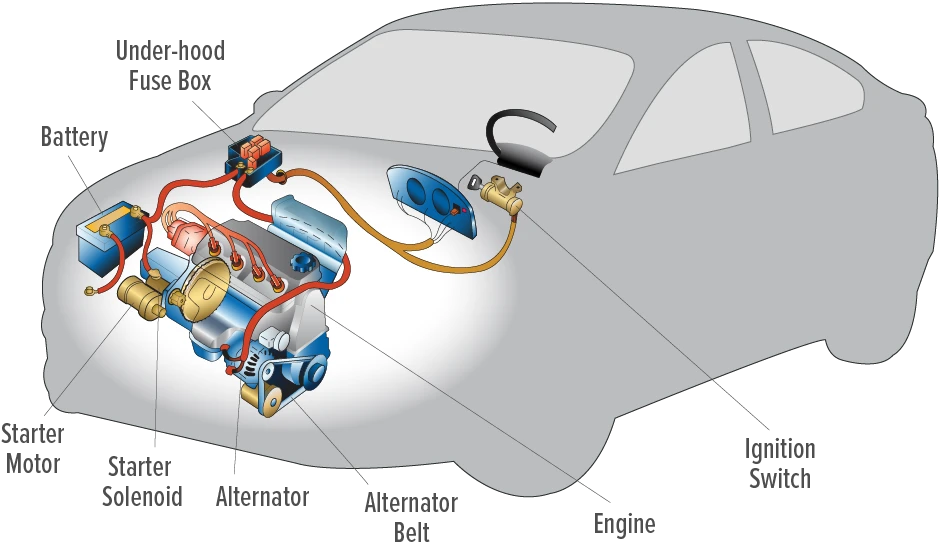
The Charging Process Explained Simply
Once the engine is running, a belt spins the alternator. This motion creates electrical energy. That energy is converted into the correct voltage and sent back to the battery. It’s like refilling a water tank while using water at the same time.
Role of the Engine in Battery Charging
No engine running = no charging. The alternator operates only while the engine is running. That’s why leaving the key in “accessory mode” drains the battery.
Alternator Output and Voltage Regulation
The alternator doesn’t just blast power randomly. A voltage regulator ensures the battery gets a safe and steady charge, usually around 13.7 to 14.5 volts. Too much voltage can damage the battery. Too little won’t charge it properly.
When Does the Alternator Charge the Battery?
While Driving
The alternator charges the battery best while driving. Higher engine speed allows it to produce more electricity and recharge the battery faster.
While Idling
The alternator does charge the battery at idle, but very slowly. If the battery is low, idling alone usually will not fully recharge it.
Highway vs. City Driving
Highway driving works like fast charging because the engine runs steadily. City driving, with traffic and short trips, charges the battery much less efficiently.
Can an Alternator Fully Charge a Battery?
Short Drives vs. Long Drives
Short trips do not give the alternator enough time to replace the power used to start the engine. Longer drives allow the battery to recharge more effectively.
Battery State Of Health Matters
An old or weak battery cannot hold a charge properly, even if the alternator is working perfectly.
Why a Charger Is Sometimes Better
If the battery is deeply discharged, using an external battery charger is safer and more effective than depending on the alternator alone.
Why Your Alternator Is Not Enough for Charging Your 12V Car Battery?
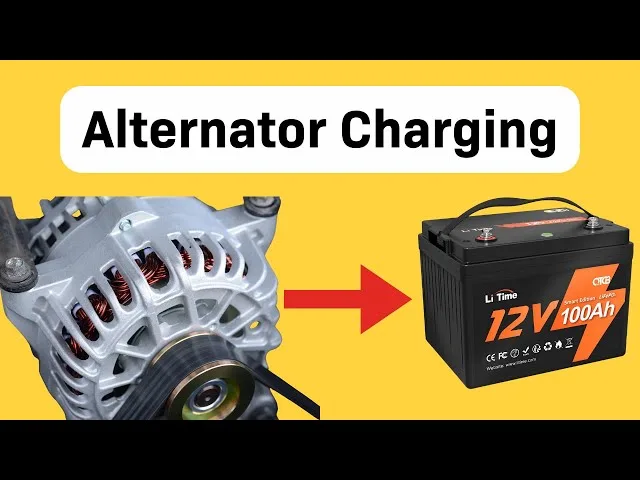
Your car’s alternator is made to maintain the battery, not fully recharge a weak or dead 12V battery. Short drives, heavy electrical use, and slow engine speed limit charging.
If the battery is old or deeply discharged, the alternator cannot restore it completely. That’s why a separate battery charger is often needed to properly and safely charge a car battery.
Signs Your Alternator Is Charging the Battery Properly
Dashboard Warning Lights
If there is no battery or alternator warning light on the dashboard, it usually means the charging system is working normally.
Electrical System Performance
Bright headlights, steady dashboard lights, and electronics working smoothly are strong signs that the alternator is supplying enough power.
Using a Multimeter for Testing
When the engine is running, a multimeter reading between 13.7 and 14.5 volts shows the alternator is charging the battery correctly.
Signs the Alternator Is NOT Charging the Battery
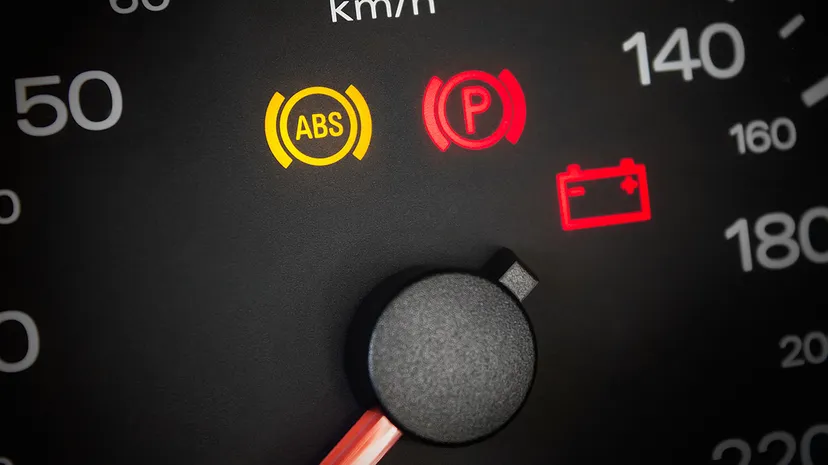
Dim Lights and Electrical Issues
If headlights or dashboard lights become dim, especially when you press the accelerator, it often means the alternator is not supplying enough power.
Dead Battery Symptoms
If the battery keeps dying and you need frequent jump-starts, the alternator may not be recharging the battery properly.
Strange Noises From The Engine Bay
Whining, grinding, or squealing noises from the engine area can indicate alternator bearing or internal failure.
Common Myths About Alternators and Batteries
Idling Charges the Battery Fully
Idling does charge the battery a little, but very slowly. It cannot fully recharge the battery, especially if it is weak. Driving at normal speed is much better for proper charging.
A New Battery Fixes Alternator Problems
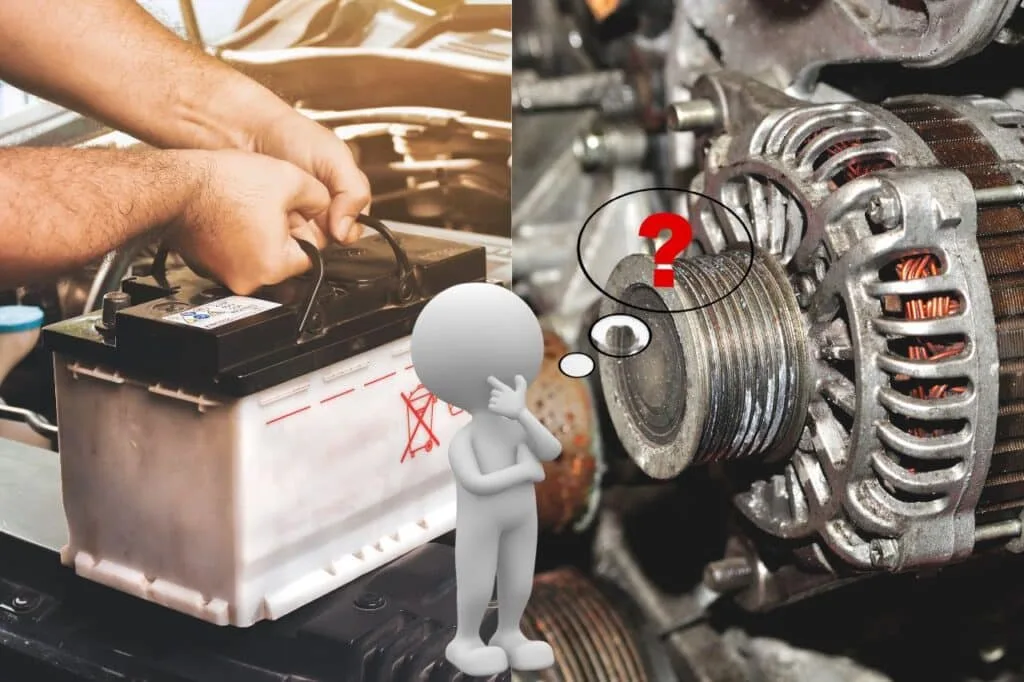
A new battery may make the car start normally for some time, but it does not repair a bad alternator. If the alternator is faulty, the battery will soon lose charge again.
Alternator Charges a Completely Dead Battery
An alternator can charge a dead battery, but it is not designed for this job. It can overheat and get damaged. Using a battery charger is safer and better.
Factors That Affect Alternator Charging Efficiency
Driving Habits
Frequent short trips do not give the alternator enough time to recharge the battery, causing it to drain faster over time.
Weather Conditions
Very hot or very cold weather reduces battery efficiency and forces the alternator to work harder to maintain a charge.
Electrical Load in the Car
Using air conditioning, heated seats, lights, and infotainment systems increases power demand and reduces how much energy goes to charging the battery.
Several Factors Can Affect How Well An Alternator Charges A Battery:
1. Engine RPM:
Higher engine speed allows the alternator to produce more electricity. At very low RPM, charging is slower and less effective.
2. Electrical Load:
Using headlights, air conditioning, infotainment systems, and other electronics reduces the power available to charge the battery.
3. Short Trips:
Frequent short drives do not give the alternator enough time to replenish the energy used to start the engine, causing the battery to slowly lose charge.
Alternator vs Battery Charger
| Feature | Alternator | Battery Charger |
| Main Purpose | Maintains the battery charge while driving | Fully recharges a weak or dead battery |
| When It Works | Only when the engine is running | Works anytime when plugged in |
| Charging Speed | Slow and gradual | Faster and more controlled |
| Best Use Case | Daily driving and normal battery maintenance | Deeply discharged or stored batteries |
| Effect on Battery Health | Keeps battery stable but not fully restored | Helps extend battery life when used properly |
| Recommended Practice | Drive regularly to maintain charge | Use occasionally for full and safe charging |
What Happens If the Alternator Fails?
Immediate Effects
When the alternator fails, the car uses only battery power. This power lasts a short time, usually minutes. Soon, the lights dim, the electronics stop working, and the engine may suddenly turn off.
Long-Term Damage
A bad alternator keeps draining the battery again and again. Over time, this weakens the battery and can completely damage it, even if the battery was new or in good condition.
Can You Drive With A Bad Alternator?

You can drive only for a very short distance with a bad alternator. Once the battery power finishes, the engine will stop, and the car will not restart.
How to Maintain a Healthy Alternator and Battery?
Regular Inspections
Check the alternator belt, wires, and battery connections regularly. Loose or damaged parts can reduce charging and cause early failure.
Clean Connections
Dirty or corroded battery terminals block electricity flow. Cleaning them helps the alternator charge the battery more efficiently.
Smart Driving Tips
Take longer drives when possible so the battery can recharge properly. Avoid using extra electrical items when they are not needed.
Can A Car With A Bad Alternator Be Jumpstarted?
Yes, a car with a bad alternator can be jump-started, but only temporarily. The engine may start, but the battery will not recharge. Once the jumper cables are removed, the car may stop again.
What Happens If You Try To Jumpstart a Car with a Failing Alternator?
The car may start and run for a short time, but the alternator will not supply power. The battery alone runs the car, so lights may dim, electronics may fail, and the engine can shut off suddenly.
Is It Safe To Jumpstart A Car In This Condition?
No, jumpstarting is usually safe for a short time, but not as a long-term solution. Driving with a bad alternator can cause sudden breakdowns and loss of power, which may be dangerous, especially in traffic.
How Long Can I Rely on Jumpstarting Before Getting the Alternator Fixed?
You can only rely on jumpstarting for a very short period, sometimes minutes or a few miles. Each jump drains the battery more. The alternator should be repaired or replaced as soon as possible.
What Are The Consequences Of Ignoring A Bad Alternator?
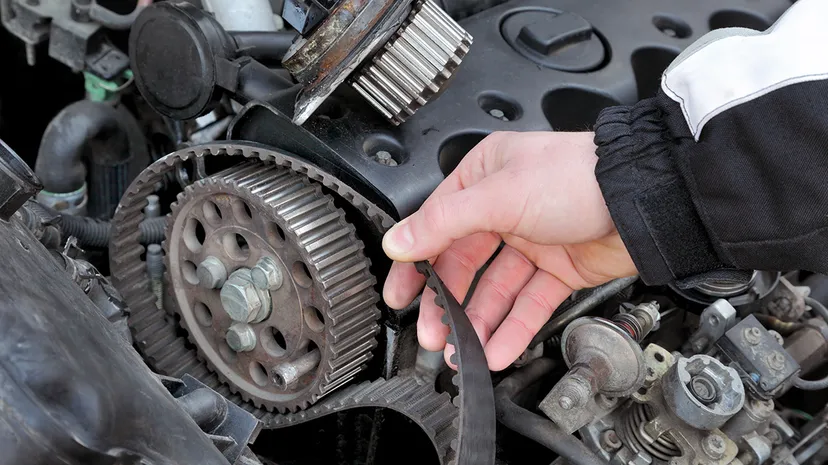
Ignoring a bad alternator can damage the battery, leave you stranded, and cause sudden engine shutdown. Over time, it may also harm electrical systems, increase repair costs, and create unsafe driving conditions.
FAQs
1. How Do I Know If My Alternator Is Charging My Car Battery?
You can know the alternator is charging if the battery warning light is off, the headlights stay bright, and the electronics work smoothly. A multimeter showing 13.7 to 14.5 volts while the engine runs also confirms proper charging.
2. Will A Car Alternator Charge A Dead Battery?
Yes, a car alternator can charge a dead battery, but very slowly and not safely. It is designed to maintain charge, not revive a dead battery. Using a separate battery charger is safer and better.
3. How Long Does An Alternator Take To Charge A Battery?
An alternator usually needs 30 minutes to several hours to charge a battery, depending on driving speed, battery condition, and electrical load. Short drives are often not enough to fully recharge the battery.
4. Does the alternator charge the battery when idling?
Yes, the alternator charges the battery while idling, but the charging speed is very slow. Idling alone cannot fully recharge a low battery. Driving at normal speed is much more effective for charging.
5. Does Car Alternator Charge Battery While Driving?
Yes, the alternator charges the battery best while driving. Higher engine speed helps it produce more electricity, allowing faster and more efficient charging compared to idling or short city trips.
6. How Long Does Car Alternator Charge Battery?
The charging time depends on battery health, driving conditions, and power usage. In normal driving, it may take one to two hours to recharge a partially drained battery, but deeply discharged batteries need a charger.
7. Does an alternator charge a battery while idling?
Yes, an alternator charges the battery while the engine is idling, but the speed is very slow. At low engine RPM, the alternator produces limited power, which is usually not enough to fully recharge a weak battery.
8. Does Car Alternator Charge Battery or the Charger?
A car alternator mainly maintains the battery charge while driving. A battery charger is designed to fully and safely recharge a weak or dead battery. For best results, both are used for different purposes.
9. Does the alternator charge the battery while driving?
Yes, the alternator charges the battery most effectively while driving. Higher engine speed allows it to generate more electricity, which helps recharge the battery faster and power all electrical systems at the same time.
10. Will an Alternator Charge a Dead Battery?
No, an alternator can charge a dead battery, but it is slow and not ideal. It may overheat and cause damage. Using a proper battery charger is safer and more effective for deeply discharged batteries.
11. How Long Does It Take an Alternator to Charge a Battery While Idling?
Charging a battery while idling can take many hours and may still not reach full charge. Low engine speed limits power output, making idling an inefficient method for recharging a low or weak battery.
12. How Fast Does an Alternator Charge a Battery at Idle?
At idle, an alternator charges the battery very slowly. It mainly supports basic electrical needs and adds only a small amount of charge. This slow rate cannot recover a heavily drained battery.
13. Best Way to Recharge Battery Using Alternator?
The best way is to drive the car continuously at normal speed for at least 30 to 60 minutes. Avoid short trips and reduce electrical use so more power can go toward recharging the battery.
14. Do Alternators Charge Car Batteries or Just Maintain the Charge?
No, alternators do not fully charge car batteries. They mainly maintain the charge and replace the power used during starting. A weak or dead battery needs a proper battery charger for full and safe charging.
15. Does the car need to be in motion for the alternator to charge effectively?
No, the car does not need to be moving for the alternator to charge. The engine just needs to run, though driving makes charging faster and more efficient.
Conclusion
In short, a car alternator mainly maintains and supports the battery while driving. It charges partially drained batteries but cannot fully restore weak or dead ones. Regular driving, proper battery care, and using a charger when needed keep both the alternator and battery healthy.
Read Also
- Can You Use A Marine Battery In A Car? Detailed Guide
- How long are car batteries good for? (2026 Update)
- Will a Car Battery Charge While Idling? A Complete Guide