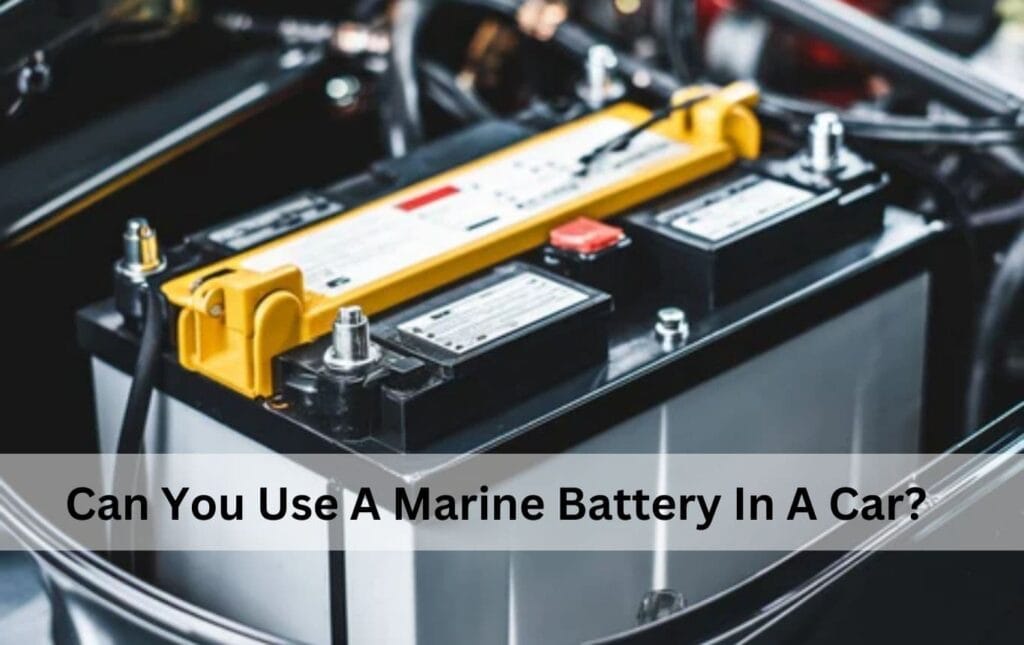
When my car battery died unexpectedly, I thought about using a marine battery I had on hand. I wasn’t sure whether it would be safe for my car or could lead to problems down the road.
Can you use a marine battery in a car? (Short Answer)
Yes, a marine battery can provide temporary power in an emergency. However, it is designed differently from a car battery and isn’t meant for regular driving. For safety and consistent performance, a proper car battery is always the best choice.
In this article, we will discuss whether a marine battery can be used safely in a car and what important factors to consider before using one.
Can You Use A Marine Battery In A Car?
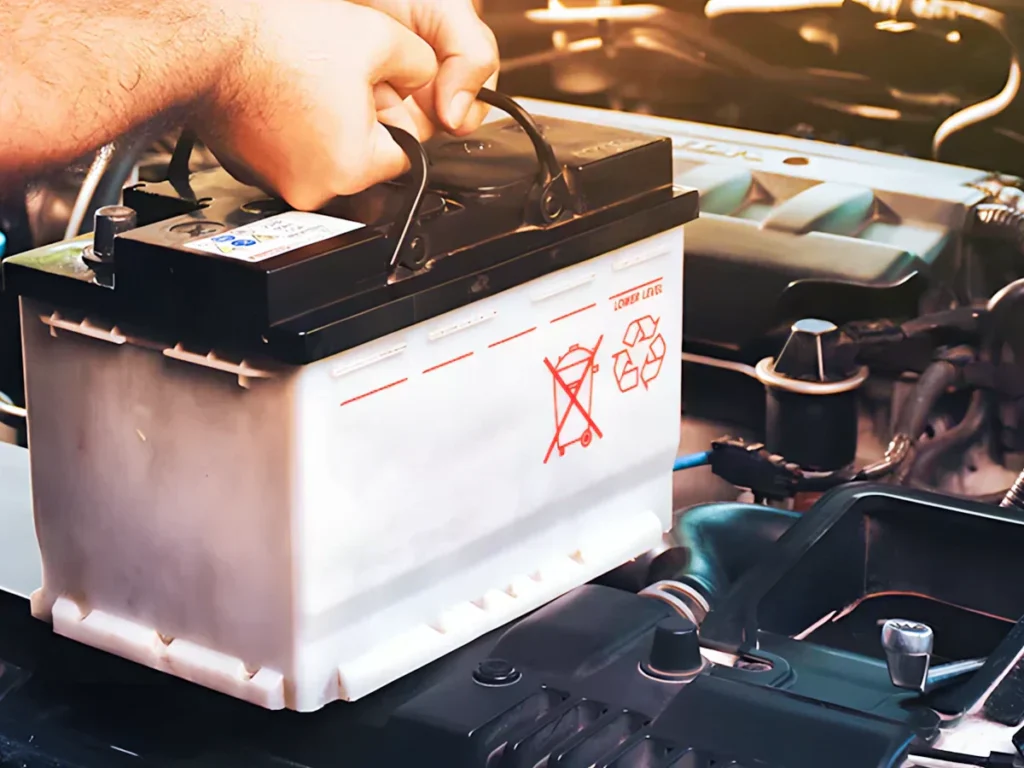
When a car battery stops working, some people consider using a marine battery as an alternative. But is it really a good idea? This article explains whether a marine battery can work in a car, how it differs from a regular car battery, and its pros and cons in easy-to-understand terms.
Understanding the Basics
What Is a Marine Battery?
A marine battery is designed for use in boats and other watercraft. It provides power to start the engine and keeps devices like lights, radios, and navigation systems running for long periods.
Types Of Marine Batteries
Marine batteries usually come in three types:
- Starting marine batteries
- Deep-cycle marine batteries
- Dual-purpose marine batteries
Each type of battery serves a unique purpose, and knowing these differences is important before deciding if it can be used in a car.
What Is A Car Battery?
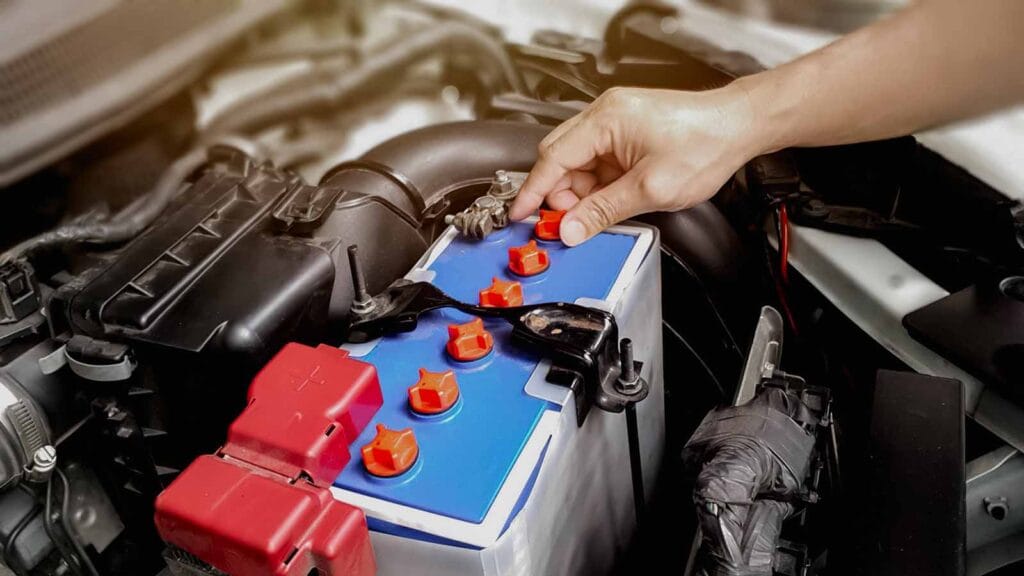
A car battery provides a fast burst of energy to start the engine. Once the engine is running, the alternator recharges the battery and supplies power to the lights, dashboard, and other electrical systems.
Standard Automotive Battery Design
Car batteries are made to deliver short, powerful bursts of energy to start the engine. Once the engine is running, the alternator takes over to keep the battery charged and power the car’s electronics.
Since different battery types have unique purposes, it’s important to consider these differences before using one in a car.
Key Differences Between Marine And Car Batteries
| Feature | Car Battery | Marine Battery |
| Main Purpose | Start the car engine | Starts engines and powers electronics |
| Power Type | Quick, strong burst of power | Steady power over a longer time |
| Cold Cranking Amps (CCA) | High CCA for easy starting | Usually lower CCA |
| Plate Design | Thin plates for fast energy release | Thick plates for deep discharge |
| Best Use | Daily vehicle driving | Boats and marine equipment |
| Frequent Starts | Designed for frequent starts | Wears out faster with frequent starts |
| Deep Discharge Recovery | Recovers well | Less efficient in cars |
| Long-Term Car Use | Recommended | Not recommended |
Comparing Marine and RV Batteries
Marine batteries are built for boats and can handle vibration and rough conditions. RV batteries are designed to power lights and appliances in recreational vehicles. Both provide steady power, but marine batteries are tougher for harsh environments.
Marine Starting Battery vs. Regular Car Battery
A marine starting battery is made to start boat engines and handle some vibration, but it usually has lower cold cranking amps (CCA) than a car battery. A regular car battery is designed for frequent engine starts and delivers a strong burst of power. For daily driving, a regular car battery is the better and safer choice.
Internal Construction
Another key difference between car batteries and marine batteries is their internal design. Marine batteries use thicker lead plates, allowing them to handle deeper discharges and resist vibration and shock from rough water.
Car batteries have thinner plates, designed to deliver a quick burst of power for engine starting, but they are not made for long, repeated power use.
Mounting and Terminals
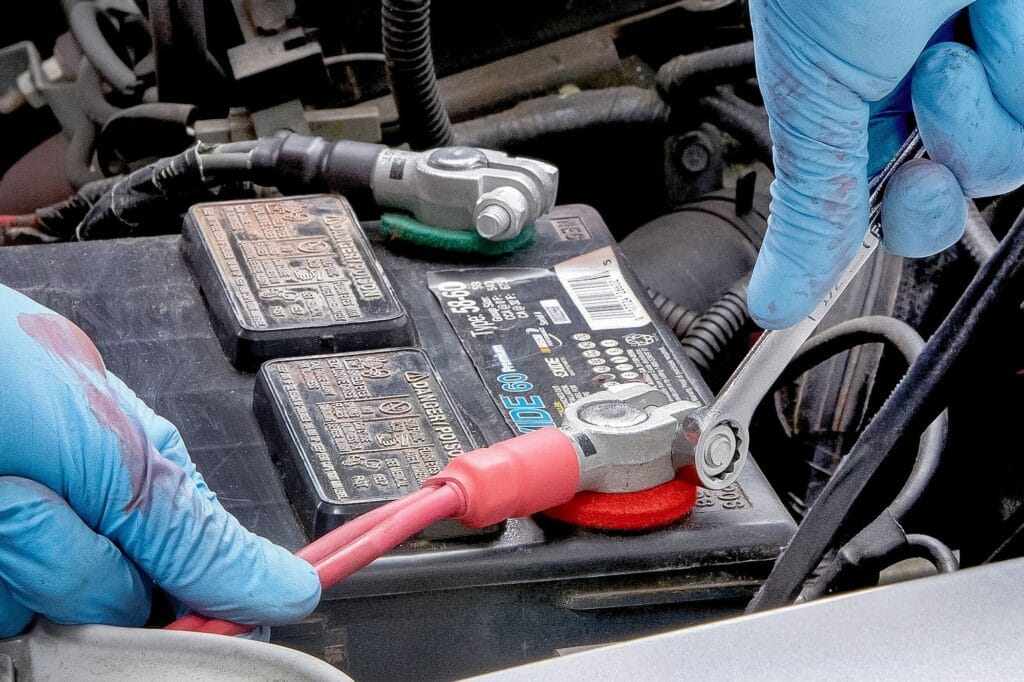
Marine and car batteries have different terminals. Marine batteries often use screw- or mixed-terminal accessories. Car batteries usually have simple top or side posts. If terminals don’t match, you may need adapters, which can become loose and cause problems later.
The Real-World Problem With Swapping Them
Both batteries are 12 volts, but voltage alone is not enough. A marine battery in a car can cause slow starts, especially in cold weather, because it has lower CCA. A car battery in a boat may overheat or fail when running equipment for long hours.
Marine batteries also cost more, so using one in a car is unnecessary. The best battery is always the one designed for its specific job.
Unlocking the Unique Features of Marine Batteries
Single Multi-Purpose Boat Battery Bank
Some small boats use one multi-purpose battery. It starts the engine and powers basic items like lights or a radio. Power needs are low, so the battery is usually safe. However, leaving lights or the radio on too long can drain it and stop the engine from starting.
Separate Starting and Trolling Motor Battery
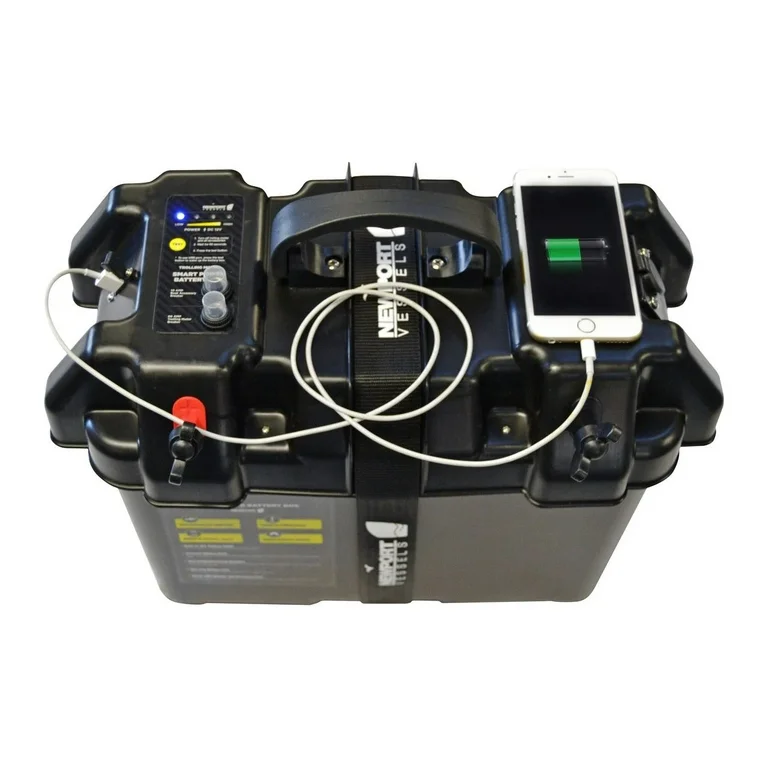
Fishing boats with trolling motors need two batteries. One battery starts the engine, and a deep-cycle battery runs the trolling motor. Using one battery for both jobs can drain it quickly and cause damage, leaving you stranded.
Separate Starting and House System Battery Banks
Large boats like houseboats or sailboats use different batteries for different needs. One battery starts the engine, while others power lights, fans, and appliances. This system is similar to an RV or off-grid home and gives better reliability.
Can You Use A Marine Battery In A Car?
Yes, a marine battery can be used in a car, but only in certain situations. It can work for jump-starting because it has enough power to start the engine. If it is a 12-volt marine battery, it can technically run a car.
However, the size and terminal position must match the car battery. Also, cars do not need deep-cycle power. Marine batteries are made for long, steady use, not daily engine starts.
Final thought: A marine battery may work temporarily, but it’s not a good long-term choice. It can reduce battery life and affect your car’s electrical system.
Battery Care and Charging
Marine and car batteries need slightly different care. Marine batteries, especially deep-cycle or AGM types, need careful charging. Many modern smart chargers have a marine or deep-cycle mode. Always use a charger that matches your battery type and follow the manufacturer’s instructions. The right battery improves performance, reliability, and peace of mind.
Deep-Cycle Marine Battery
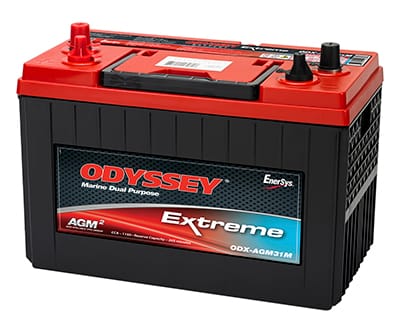
A deep-cycle marine battery is designed to provide steady power over a long time. It is commonly used in boats to run lights, motors, and electronics. It is not ideal for starting car engines because it is made for slow, continuous power, not quick bursts.
Marine Battery for Car Audio
Some people use marine batteries for car audio systems because they can handle long power use. However, they are not made for frequent engine starts, so they should only be used as a secondary battery, not the main car battery.
Pros and Cons of Using a Marine Battery in a Car
Pros
- Vibration Resistance: Marine batteries are built to handle constant vibration, making them durable for rough roads or off-road driving.
- Emergency Use: In urgent situations, a marine battery can work if it fits properly and meets your car’s CCA needs.
- Temporary Fix: A deep-cycle marine battery, such as the Redodo 12V 100Ah Trolling Motor Marine Battery, can help you get back on the road for a short time when no other option is available.
Cons
- Reduced Lifespan: Marine batteries may wear out faster in cars due to frequent high-power engine starts.
- Poor Recovery from Drain: Deep-cycle marine batteries do not recover well if car lights or electronics drain them fully.
- Not Optimized for Cars: They are designed for slow, steady power use, not repeated engine starting.
Cons and Risks
- Starting Performance Issues: Many marine batteries don’t provide enough instant power, especially in cold weather.
- Alternator Stress: Your alternator may work harder to charge a marine battery, leading to early failure.
- Warranty and Safety Concerns: Using the wrong battery can void warranties and increase the risk of electrical problems.
Marine Battery Types and Car Compatibility
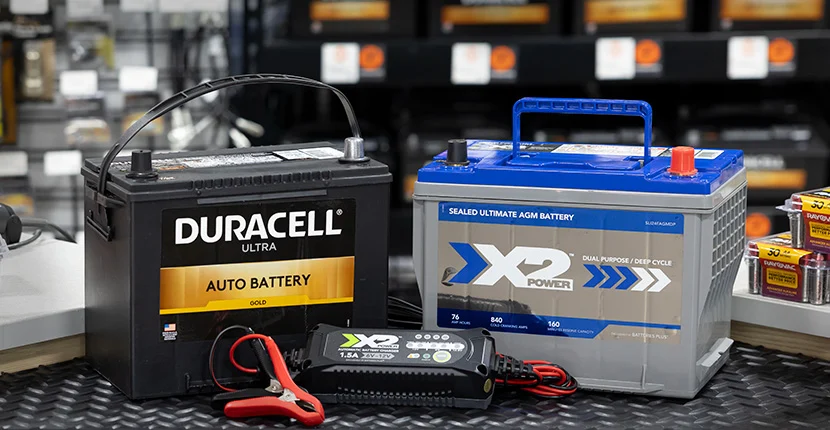
- Starting Marine Batteries: These are closest to car batteries and can work temporarily.
- Deep Cycle Marine Batteries: Not suitable for cars. They are designed for slow discharge, not engine starting.
- Dual-Purpose Marine Batteries: Better than deep cycle but still not ideal for daily car use.
What Happens If You Use the Wrong Battery?
Short-Term Effects
- Hard starts
- Dim lights
- Slower cranking
Long-Term Damage
- Alternator failure
- Reduced battery life
- Electrical system stress
It’s like wearing running shoes to hike a mountain; it might work briefly, but you’ll pay for it later.
Expert Recommendations
What Mechanics Say
Most mechanics strongly recommend sticking with a proper car battery. They’ve seen the damage mismatched batteries can cause.
Manufacturer Guidelines
Car manufacturers design vehicles with specific battery requirements. Ignoring them is risky.
Better Alternatives
- Using the Correct Car Battery: The safest, smartest option is always the correct automotive battery.
- Emergency Situations Only: If you must use a marine battery, do it briefly and replace it as soon as possible.
How to Choose the Right Battery for Your Car?
- Check CCA Requirements: Always meet or exceed your car’s recommended CCA rating.
- Battery Size and Fit: The battery must fit securely in the tray to avoid vibration damage.
- Electrical System Needs: Modern cars with many electronics need stable, consistent power.
Should You Use A Marine Battery In A Car?
You can use a marine battery in a car only in an emergency. It may start the car, but it is not made for daily driving. For long-term use, a normal car battery is the safer and better choice.
Real-Life Experience
My Personal Take
I once tried using a marine battery in my car during an emergency. The car started, but it felt sluggish, and I replaced it within days. Lesson learned: it’s not worth the risk long-term.
FAQs
1. A Marine Battery in a Vette??
Yes, it can work in an emergency if it’s 12 volts and fits properly. However, it’s not recommended for daily use, as it may reduce battery life and affect performance.
2. Deep-Cycle Battery in a Vehicle?
Deep-cycle batteries provide steady power over a long time, but they are not made for frequent engine starts. Using one as a main car battery can lead to poor starting and shorter battery life.
3. Is There A Difference Between A Marine Battery And A Regular Battery?
Yes, marine batteries are built for boats and long, steady power use, with thicker plates and higher vibration resistance. Car batteries are designed for quick, powerful bursts to start engines and handle daily driving.
4. Is There Any Downside To Using A Marine Battery In My Commuter Car?
Yes, marine batteries may cause slower starts, stress the alternator, and wear out faster when used daily. They are better as a temporary solution in emergencies, not for regular driving.
5. What’s The Difference Between A Marine Battery And A Car Battery?
Marine batteries are designed for long, steady power and can handle vibration and rough conditions. Car batteries provide quick bursts of power to start the engine and are made for frequent use in vehicles.
6. What Happens If You Use a Deep-Cycle Battery in a Car?
A deep-cycle battery can start a car, but frequent starts can wear it out faster. It is not designed for repeated high-power bursts like a regular car battery.
7. Will A Car Alternator Charge A Deep-Cycle Battery?
Yes, a car alternator can charge a deep-cycle battery, but it may not be as efficient. Deep-cycle batteries charge more slowly and need careful monitoring to avoid damage.
8. Can I Use A Marine Battery To Jump-Start My Car?
Yes, a marine battery can jump-start your car in an emergency if it has enough voltage and CCA. It’s only a temporary solution, not for regular use.
9. Is A Marine Battery Better Than A Car Battery?
Not for cars, marine batteries are better for boats and long-term power use. For daily driving, a car battery is safer and more reliable.
10. Can I Use A Car Battery As A Marine Battery?
You can use it in an emergency, but car batteries are not built for long, steady power or harsh marine conditions. Using one regularly on a boat may shorten its life.
11. What Is The Life Expectancy Of A Marine Battery?
A marine battery usually lasts 3–5 years, depending on type, usage, and maintenance. Deep-cycle batteries may last longer if not over-discharged.
12. What Would Happen If I Placed A Marine Battery In A Car?
It can start the car temporarily, but frequent use may cause slower starts, reduce battery life, and put stress on the alternator.
13. What Is The Difference Between Marine And Auto Battery Terminals?
Marine batteries often have threaded posts or combination terminals for accessories. Car batteries usually have standard top-post or side-post terminals. Mismatched terminals may require adapters.
14. Can You Charge A Marine Battery With A Regular Battery Charger?
Yes, if the charger is compatible with the battery type. Smart chargers with a marine or deep-cycle mode are recommended for safe charging.
15. Can I Use A Marine Battery In My Truck?
You can use it temporarily in an emergency if it fits and has enough voltage. For daily driving, a regular truck battery is safer and more reliable.
16. Can You Jumpstart A Car With A Deep-Cycle Battery?
Yes, a deep-cycle battery can jumpstart a car in an emergency, but it may not provide enough power for cold starts or repeated attempts.
17. Can You Use A Deep-Cycle Battery In A Car?
You can, but it’s not ideal for daily driving. Deep-cycle batteries are designed for long, steady power, not frequent engine starts, which can shorten their life.
18. Can a Marine Battery Damage My Car’s Electrical System?
Using a marine battery long-term can stress the alternator and affect electrical components, especially if the battery isn’t optimized for frequent starting.
19. How Do I Know If a Marine Battery Fits My Car?
Check the battery’s voltage, physical size, and terminal type. It must match your car’s battery tray and wiring. Adapters may work, but they can create potential failure points.
Conclusion
You can use a marine battery in a car only in an emergency and for a short time. While it may start the engine, it is not designed for frequent starts, high CCA demands, or modern car electronics. Long-term use can cause slow cranking, alternator stress, and reduced battery life. For safety, reliability, and best performance, always use a proper automotive battery designed for your vehicle.
Read Also: