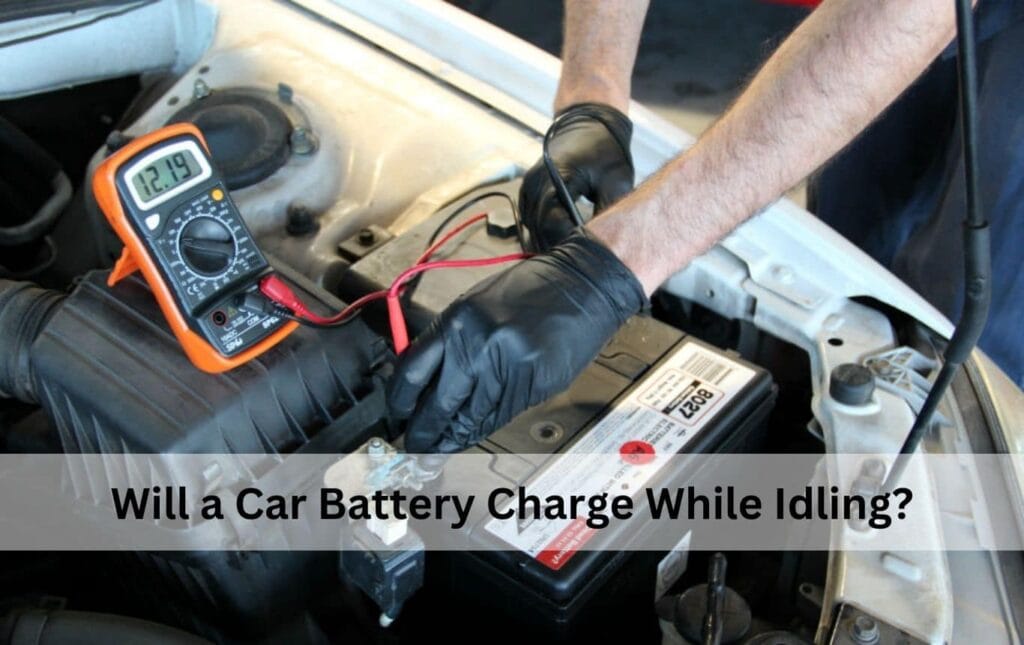
I used to sit in my car, idling, hoping my battery would charge. I quickly learned it barely helps. Driving or using a battery charger works much faster and keeps my battery healthy.
Will a Car Battery Charge While Idling? (Short Answer)
Yes, A car battery does get some charge while idling, but the process is very slow. Driving is much more effective because a higher engine speed allows the alternator to charge more efficiently. Idling only gives a small top-up, not a full charge.
In this article, we will discuss Will a Car Battery Charge While Idling?
Understanding Car Battery Charging
How Does a Car Battery Charge?
A car battery charges when the alternator generates electricity from the engine’s motion. Electrical current flows into the battery, replenishing its energy. The battery stores this energy for starting the car and powering electronics when the engine isn’t running.
How The Alternator Charges Your Car’s Battery?
| Step | Process |
| 1 | The engine rotates the alternator via a belt. |
| 2 | An alternator generates AC electricity. |
| 3 | A rectifier converts AC to DC. |
| 4 | DC electricity flows to the battery. |
| 5 | A battery stores energy for starting and electronics. |
Does a Car Battery Charge While Driving?
Yes, the battery charges while driving because the alternator produces electricity as the engine runs. Driving at normal speeds provides sufficient alternator output, faster than idling, ensuring the battery maintains a healthy charge for electronics and future engine starts.
How To Know Whether a Car Battery Is Charged?
Signs a battery is fully charged:
- Voltage reads 12.6–12.8V at rest.
- Car starts easily without slow cranking.
- No warning lights on the dashboard.
Headlights and electronics operate normally.
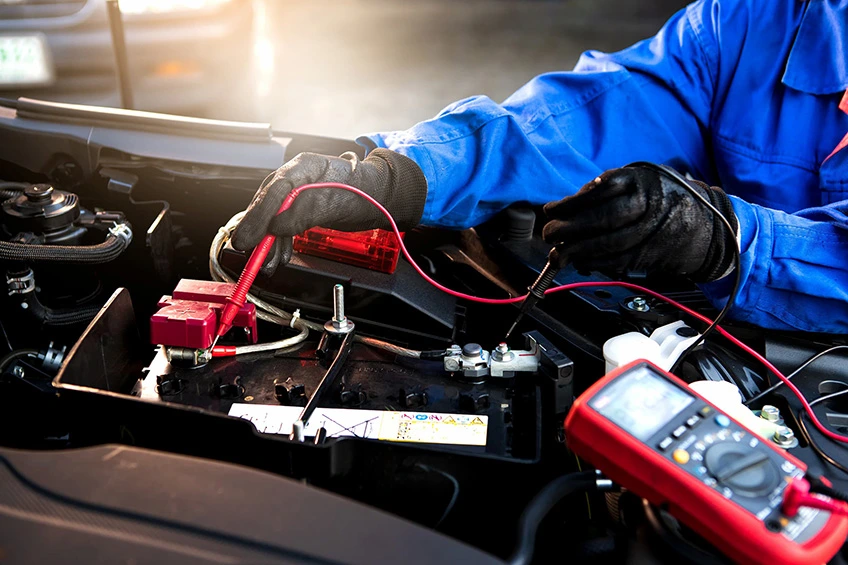
Tip: Use a multimeter or battery tester to check voltage for an accurate reading.
Will a Car Battery Charge While Idling?
Does a Car Battery Charge While Idling?
Yes, a car battery charges while idling, but very slowly. The alternator produces less electricity at low RPMs, so it takes much longer to replenish a partially drained battery compared to driving at normal speeds.
How Long To Idle Car To Charge Battery?
Idling to charge a partially drained battery may take 30–60 minutes or more, depending on battery health. Idling is inefficient; a better option is to drive, as higher engine speeds allow the alternator to generate more electricity quickly.
Does the Battery Charge If You Let the Car Idle?
Yes, the battery charges slightly while idling. However, the alternator output is minimal at low RPMs, so a long idle may not fully recharge it. It’s useful only for small top-ups, not a complete charge.
How Long Should A Car Idle To Charge The Battery?
| Battery Condition | Approximate Idle Time | Notes |
| Slightly discharged | 30–40 min | Partial recharge possible |
| Moderately discharged | 45–60 min | Slow charge, best to drive |
| Completely dead | >1 hour | Usually insufficient; use a charger |
Does Revving Make a Difference?
Revving slightly increases alternator output because higher RPMs produce more electricity. However, it only provides a marginal benefit and is not a substitute for driving. Excessive revving can stress the engine or alternator unnecessarily.
Can Idling Damage Your Car Battery?
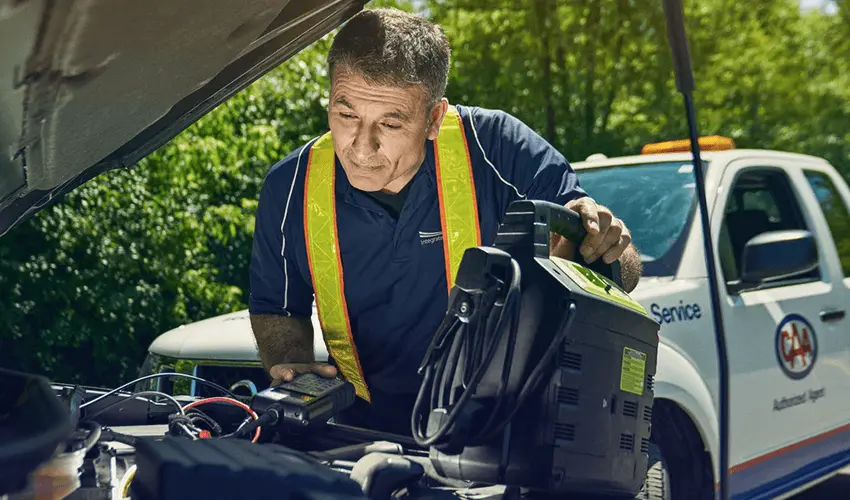
Prolonged idling rarely damages the battery directly, but low alternator output may leave it partially charged. Constant partial charging can reduce battery lifespan. Idling also wastes fuel and can overheat engine components over time.
Is It Better To Drive Than Idle To Charge A Battery?
Yes, driving is far more effective. Higher RPMs increase alternator output, quickly restoring battery charge. Driving also powers electrical components efficiently, whereas idling is slow and inefficient, especially for a battery that is partially or fully discharged.
Can I Charge a Car Battery While Idling?
Yes, but it’s slow and inefficient. The alternator produces minimal power at idle. Only a small top-up occurs. For a faster charge, driving at normal speeds is recommended, or using a dedicated battery charger for fully depleted batteries.
Idling Your Car to Charge the Battery Does More Harm Than Good
Idling rarely fully charges a battery and can stress the alternator over time. It wastes fuel, emits unnecessary pollution, and only partially restores battery life. Driving efficiently is the safer and faster method to recharge your battery.
Charging While Driving
What Is The Most Efficient Way To Charge A Car Battery?
The most efficient way to charge a car battery is to drive at normal speeds with minimal electrical load. The alternator produces sufficient power to replenish the battery quickly. Short idling or heavy accessory use reduces charging efficiency.
How Long You Have To Drive To Charge Your Car Battery?
| Battery Condition | Approximate Drive Time | Notes |
| Slightly discharged | 20–30 min | Partial recharge achievable |
| Moderately discharged | 45–60 min | Battery regains sufficient charge |
| Fully discharged | 1–2 hours | May need external charger for full recovery |
How Long Does It Take to Charge a Car Battery from Driving?
Charging depends on battery size, alternator output, and engine RPM. On average, a partially drained battery may take 30–60 minutes of continuous driving. Fully dead batteries may require multiple drives or an external charger to reach full capacity.
How Far Do You Have To Drive To Charge A Car Battery?
Driving distance depends on speed and battery condition. Typically, 10–20 miles of driving at normal city or highway speeds can restore a moderately discharged battery. Longer drives are needed for severely drained batteries.
How Can You Charge Your Car Battery Faster While Driving?
Tips to speed up charging while driving:
- Maintain moderate engine RPM (avoid idle).
- Minimize heavy electrical loads (AC, lights, stereo).
- Drive continuously rather than stop-and-go.
- Avoid short trips that don’t allow sufficient alternator output.
How Do I Charge My Car Battery Faster While Driving?
To charge faster: drive for at least 30–60 minutes continuously. Keep engine speed moderate, reduce electrical accessories, and ensure battery terminals are clean. For severely drained batteries, consider a portable charger for faster, safer charging.
Dealing With Dead or Weak Batteries
Can a Completely Dead Battery Be Recharged?
Yes, a completely dead battery can sometimes be recharged using a proper battery charger. However, if the battery is old or sulfated, it may not hold a charge. Jump-starting followed by a full charge is recommended for safety and efficiency.
How Long Does It Take To Charge A Dead Car Battery?
| Charging Method | Approximate Time | Notes |
| Standard alternator while driving | 1–2 hours | Depends on engine speed and battery condition |
| Dedicated battery charger | 4–12 hours | Depends on charger amperage (2–10A) |
| Fast charger | 1–4 hours | For urgent charging, but may reduce battery lifespan if overused |
Charging time varies with battery size, health, and method used.
How Long to Drive a Car After Jump Start?
After a jump start, drive at normal speeds for 20–30 minutes to allow the alternator to restore a safe battery charge. Longer drives may be needed for a partially or fully drained battery. Don’t switch off the engine right after a jump start.
Battery Health and Maintenance Tip
Problems With Your Car Battery?
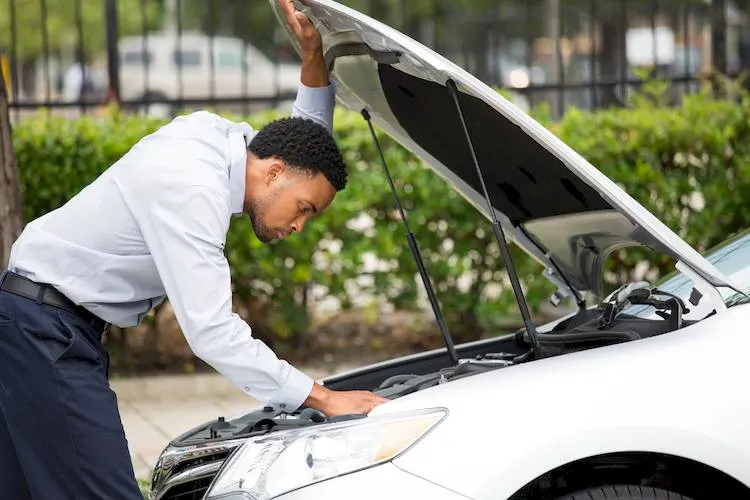
Common battery problems include slow engine cranking, frequent need for jump-starts, corrosion on terminals, swelling, and leakage. Extreme heat, cold, or long periods of inactivity can accelerate wear. Regular inspection helps identify issues before complete failure occurs.
How to Keep Your Car Battery Charged When It’s Sitting Idle?
- Use a battery maintainer or trickle charger.
- Disconnect the battery if the car will sit for weeks.
- Avoid leaving electronics on while parked.
- Periodically start and run the car for 10–15 minutes.
How to Avoid Draining Your Car Battery?
- Turn off lights, stereo, and accessories when the engine is off.
- Minimize short trips that don’t allow a full charge.
- Avoid leaving electronics plugged in.
- Check for parasitic drains caused by faulty electronics or alarms.
How to Make Your Battery Last Longer?
- Keep terminals clean and tight.
- Avoid deep discharges; recharge promptly.
- Park in shade or a garage to reduce heat stress.
- Drive regularly to allow the alternator to maintain charge.
What Are The Signs Of A Bad Alternator?

- Dim or flickering headlights.
- Warning battery or alternator light on dashboard.
- Electronics behaving erratically.
- Engine stalls or struggles to start.
- Unusual whining or grinding noises from the alternator.
FAQs
1. How Much Can You Charge a Car Battery by Idling?
Idling charges the battery very slowly. Only a small amount of power goes back, so it cannot fully recharge a weak or dead battery. Driving is faster and more effective.
2. How Long Should I Idle My Car to Charge the Battery?
Idling for 15–30 minutes may add a small charge, but it won’t fully recharge the battery. Longer driving at normal speed works much better.
3. How to Tell If It’s a Bad Battery or Alternator?
If the engine starts slowly, the lights are dim, or the battery keeps dying, it may be the battery. Strange sounds or warning lights can indicate alternator issues.
4. Can a Car Battery Charge When Idling?
Yes, but very slowly. Low engine speed limits alternator output, so idling alone cannot fully restore a weak battery.
5. Does Revving the Engine Help Charge a Dead Battery?
Revving slightly increases alternator output but does not significantly charge the battery. Driving at normal speed is safer and more effective.
6. Does Car Need To Be Driven Rather Than Idle To Ensure Battery recharged?
Yes, driving at a steady speed produces enough alternator power to properly recharge the battery, unlike idling, which is very slow.
7. Is Idling Enough to Charge a Car Battery? If so, how long should you idle a car to charge the battery?
Idling is not enough to fully charge a battery. Even 30 minutes adds only a small charge; driving is the best method.
8. Do Car Batteries Charge While Idling?
Yes, but the charge is very limited. Most power goes to running car systems, so the battery charges much faster while driving.
9. Does Idling Your Engine Charge the Battery?
Yes, it does slightly, but low RPM limits output. Idling can prevent total battery drain, but it cannot replace normal driving or a battery charger.
10. How Long To Leave A Car Running To Charge The Battery?
Idling 20–30 minutes may help a little, but driving for 20–30 minutes at normal speed is far more effective for recharging the battery.
11. How to Charge Car Battery While Parked?
Use a battery charger or trickle charger while parked. Idling gives only a tiny charge, so a charger is faster and safer.
12. How Long Does a Car Battery Charge While Idling?
At idle, a battery charges very slowly. Even 30 minutes adds only a small amount; driving is much faster.
13. Does Car Battery Charge While Driving?
Yes, driving produces high alternator output, fully recharging the battery much faster than idling.
14. How Long to Idle Car to Charge Battery After Jump Start?
Idling for 20–30 minutes adds a little charge, but driving for 20–30 minutes is far more effective.
15. Does Idling Car Drain Battery?
If electrical systems use more power than the alternator produces, idling can slowly drain the battery instead of charging it.
16. Does Bike Battery Charge While Idling?
Yes, but like cars, motorcycle batteries charge slowly at idle. Riding at normal speed charges the battery faster.
17. How Long Should You Drive to Charge a Car Battery?
Drive at a steady speed for 20–30 minutes. Short trips or idling do not fully recharge the battery.
18. How Long Does A Car Battery Take To Charge?
A weak battery may need 20–30 minutes of driving, or several hours on a charger, depending on battery size and condition.
19. Can a Completely Dead Car Battery Be Recharged?
B. A fully dead or damaged battery cannot be revived by idling or driving. It must be charged with a charger or replaced.
20. Is 30 Minutes Enough to Charge a Car Battery?
Idling for 30 minutes gives only a small charge. Driving 20–30 minutes at normal speed is much better to recharge fully.
21. Will Idling A Car For 30 Minutes Charge The Battery?
It charges slightly, but very slowly. Idling cannot fully restore a weak battery; driving or using a charger works much faster.
22. Can You Recharge the Battery While Idling?
Yes, but the charge is minimal. Low RPM limits the alternator output, so driving or using a charger is the best way.
Conclusion
So, will a car battery charge while idling? Yes, but very slowly. Driving at normal speed or using a battery charger is the quickest, safest way to keep your battery healthy.