Living in Texas, I’ve seen how the heat slowly kills car batteries. My car worked fine one day and wouldn’t start the next. That experience taught me the importance of battery lifespan.
How Long Do Car Batteries Last in Texas? (Short Answer)
In Texas, most car batteries last 2 to 3 years. Extreme heat speeds up battery damage, but regular checks and proper care can help them last longer.
In this article, we will discuss how long Do Car Batteries Last In Texas.
Introduction
Texas summers are extremely hot, and that heat affects your car more than you may realize. Because of this, many people ask how long car batteries last in Texas, and the answer is usually not very long. Let’s take a quick look at what to expect and how to extend your battery’s life.
Understanding Car Battery Lifespan
Average Car Battery Lifespan in the U.S.
In most parts of the United States, a standard car battery lasts 3 to 5 years. That’s the average under “normal” conditions, moderate temperatures, regular driving, and decent maintenance.
Why Location Matters for Battery Life?
Car batteries hate extremes. Cold slows chemical reactions, while heat speeds them up and causes internal damage. Where you live plays a massive role, and Texas sits right in the danger zone when it comes to heat.
A Map Of Car Battery Life In The US By Temperature Region
A U.S. map shows how car battery life changes with the weather. Batteries last longer in cooler areas and wear out faster in very hot regions because heat damages them more quickly.
Texas Climate and Its Impact on Car Batteries
Extreme Heat vs. Extreme Cold
Many people assume cold weather is worse for batteries. While cold can make starting harder, heat actually causes long-term damage. Texas summers routinely hit 95–105°F, and under the hood, temperatures soar even higher.
What Is a Cold Cranking Amps Rating?
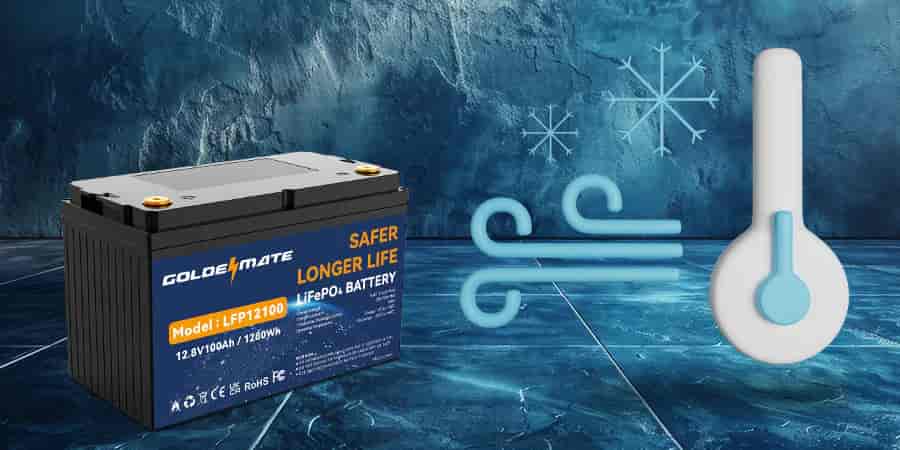
Cold cranking amps (CCA) show how much power a battery can give in cold weather. Always use the rating your carmaker recommends. Higher ratings are okay, but not needed.
Why Heat Is the Silent Battery Killer?
Heat causes battery fluid to evaporate faster. Once that fluid drops, internal components degrade, and the battery loses its ability to hold a charge. It’s like running a marathon without water. Eventually, things break down.
Chemical Reactions Inside A Battery
High temperatures accelerate chemical reactions inside the battery. Sounds good, right? Not really. Faster reactions mean faster corrosion of internal plates, which permanently shortens battery life.
Houston’s Temperatures Can Reduce Your Car Battery’s Life by One-Third, Auto Shop Owner Says
Yes, Houston’s extreme heat can reduce a car battery’s life by about one-third, as high temperatures cause faster internal damage, according to an auto shop owner.
Average Car Battery Life in Texas
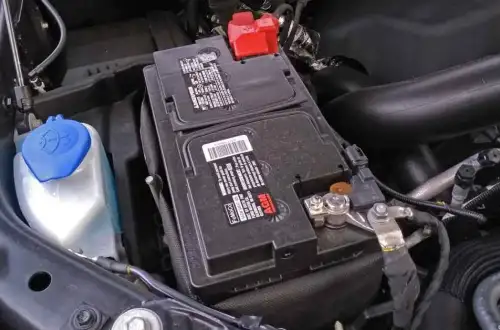
Typical Lifespan Range
In Texas, most car batteries last 2 to 3 years, sometimes even less in southern regions. If you get four years out of a battery here, you’re doing something right.
Comparison With Cooler States
Drivers in northern states often see batteries last 4-5 years. Do Texas drivers trade that longevity for sunshine and warm winters a fair deal? Maybe not when you’re stranded in a parking lot in August.
What Causes A Car Battery To Lose Charge?
| Cause | How It Affects the Car Battery |
| Time | Batteries wear out with use. Most car batteries last about 4–5 years before losing strength. |
| Heat | High temperatures dry out the battery fluid, causing the battery to fail faster. |
| Vibrations | Constant shaking from driving can damage internal battery parts and shorten the lifespan. |
| Frequent Jump Starts | Needing jump starts often weakens the battery and reduces its remaining life. |
| Battery Care Tip | Check your vehicle owner’s manual or consult a service expert for proper battery care. |
Factors That Shorten Car Battery Life in Texas
High Summer Temperatures
This is the number one culprit. Prolonged heat exposure weakens battery internals, even when the car isn’t being driven.
Driving Habits
Frequent short trips don’t give the alternator enough time to recharge the battery fully. Over time, this leads to chronic undercharging.
Short Trips and Infrequent Driving
Letting your car sit unused for long periods in the heat is just as bad. Batteries slowly discharge, and heat speeds up that process.
Electrical Load and Accessories
Dash cams, phone chargers, infotainment systems, and aftermarket accessories all draw power. In Texas heat, that extra load adds stress the battery doesn’t need.
How to Extend the Life of a Car Battery (Short Version)?
- Drive Longer: Avoid short trips; longer drives let the alternator fully recharge the battery.
- Turn Off Lights: Always check headlights and interior lights before leaving the car.
- Limit Electronics: Don’t use chargers, radios, or A/C when the engine is off.
- Don’t Let Car Sit: Drive at least every 3 days; use a portable charger if unused for long.
- Secure the Battery: Make sure the battery and cables are tightly fastened to prevent damage.
- Keep It Clean: Clean terminals with a baking soda mix, rinse lightly, dry, and apply anti-corrosion grease.
- Test Regularly: Check battery voltage and do a load test to monitor performance.
Signs Your Car Battery Is Dying
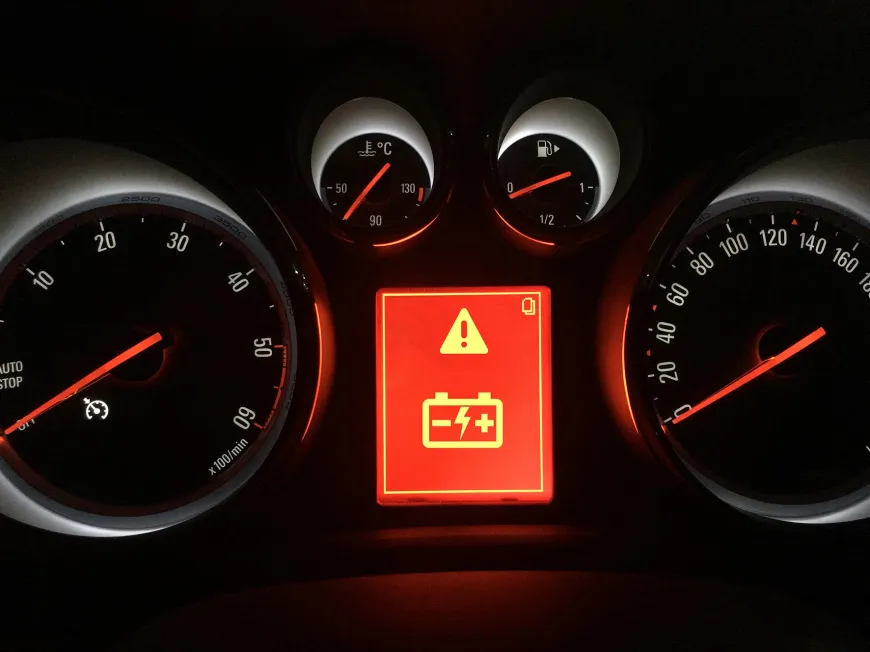
Slow Engine Crank
If your engine sounds sluggish when starting, that’s often the first red flag.
Dashboard Warning Lights
The battery or check engine light may pop on when voltage drops.
Electrical Issues
Dim headlights, flickering interior lights, or glitchy electronics usually point to battery trouble.
Swollen Battery Case
Heat can cause the battery casing to swell. If you see bulging sides, replacement isn’t optional; it’s urgent.
How to Make Your Car Battery Last Longer in Texas?
Regular Battery Testing
Have your battery tested at least once a year, twice if it’s over two years old. Many auto parts retailers offer this service at no cost.
Parking Strategies to Beat the Heat

Whenever possible, park in shaded areas or garages. Even a few degrees cooler can slow battery degradation.
Proper Vehicle Maintenance
Ensure your alternator and charging system are working properly. A weak alternator silently kills batteries.
Limiting Power Drain
Unplug accessories when the engine is off. Small drains add up, especially in extreme heat.
Best Car Batteries for Texas Heat
AGM vs. Lead-Acid Batteries
| Feature | AGM Battery | Lead-Acid Battery |
| Performance in heat | Works better in hot climates | Heat damages it faster |
| Vibration resistance | Very strong | Weaker |
| Maintenance | Maintenance-free | May need maintenance |
| Lifespan | Usually longer | Usually shorter |
| Cost | Higher upfront cost | Lower upfront cost |
Heat-Resistant Battery Brands
Brands designed for extreme climates tend to last longer in Texas. Look for batteries specifically rated for high temperatures.
Choosing the Right Battery Rating
Make sure the battery you buy matches or is higher than the specifications recommended by your vehicle’s manufacturer. More reserve capacity helps in hot conditions.
When Should You Replace Your Car Battery in Texas?
Time-Based Replacement
In Texas, replacing your battery every 2–3 years is a smart preventive move, even if it seems fine.
Performance-Based Replacement
If testing shows reduced capacity or inconsistent voltage, don’t wait. Batteries rarely fail at convenient times.
How to Test a Car Battery (Short & Simple)?
Headlight Test:
Start the car and turn on the headlights. Rev the engine. If the lights change brightness, the battery may have a problem.
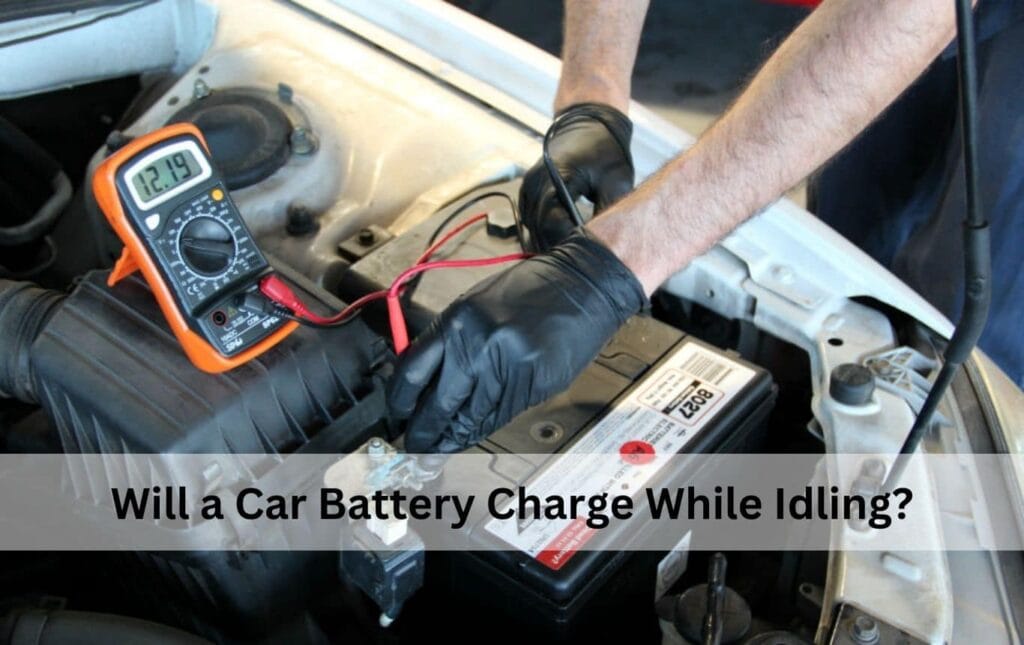
Multimeter Test:
Set to 20 DC volts. Check battery terminals.
- 12.5V+ = fully charged
- 12.3V = 75% charged
- 11.8V or less = weak battery
Car Batteries Are Not One-Size-Fits-All
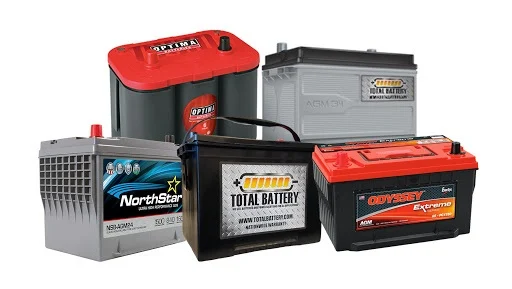
Car batteries are not all the same. Different cars need different battery sizes and power levels, so choosing the correct battery for your vehicle is very important.
Cost Of Car Battery Replacement In Texas
- Average Battery Prices: Most car batteries in Texas cost between $100 and $250, depending on type and brand.
- Installation Costs: Many retailers offer free installation. At repair shops, labor usually ranges from $20 to $50.
- Warranty Considerations: Heat shortens battery life, so warranties may propagate faster. Always check heat-related coverage terms.
Purchase Replacement Battery From High-Volume Seller
Buy a replacement battery from a trusted seller who sells many batteries. They usually offer better quality, reliable products, and faster service compared to small or unknown stores.
Common Myths About Car Batteries in Hot Climates
Myth: Bigger Batteries Last Longer
A bigger battery does not always last longer. What really matters is using the correct battery size and rating recommended for your car.
Myth: Heat Is Better Than Cold
This is false. Hot weather damages car batteries faster than cold weather. Heat dries the battery fluid and shortens its overall life.
Texas Heat And Batteries – Breaking News Update
Extreme Texas heat is causing car batteries to fail faster than normal. High temperatures damage battery fluid and internal parts, reducing battery life to just 2–3 years in many cases.
FAQs
1. How Long Should a Car Battery Last in Texas?
In Texas, most car batteries last about 2–3 years because the extreme heat wears them out faster than in cooler places.
2. How Do I Know When My Car Needs a New Battery?
You may need a new car battery if the engine starts slowly, the lights look weak, the electronics act strangely, or the battery is older than three years.
3. Is $300 Too Much For A Car Battery?
It depends on the type. Standard batteries usually cost less, but premium batteries like AGM that handle heat better can cost around $300.
4. How Long Do Car Batteries Last in Hot Weather?
In very hot weather, a car battery usually lasts 2–3 years because heat causes the internal parts to degrade faster.
5. How Long Does a Car Battery Typically Last?
A car battery usually lasts 3 to 5 years in normal weather. In very hot or very cold places, it may fail sooner, especially without proper care.
6. What Factors Can Shorten a Battery’s Lifespan?
Extreme heat, frequent short trips, leaving lights or electronics on, vibrations, poor maintenance, and not driving the car regularly can all reduce a car battery’s life quickly.
7. Can Extreme Temperatures Affect Battery Life?
Yes, extreme heat damages batteries faster by drying internal fluid, while extreme cold reduces starting power. Both conditions shorten battery life compared to moderate temperatures.
8. How Can I Tell If My Car Battery Is Failing?
Slow engine start, dim headlights, warning lights on the dashboard, electrical problems, or a swollen battery case are common signs that your car battery is weak or failing.
9. Are There Any Maintenance Tips to Increase Battery Longevity?
Drive regularly, avoid short trips, turn off lights and electronics, keep battery terminals clean, park in shade, and test the battery often to catch problems early.
10. How Long Do Car Batteries Last In Texas 2022?
In 2022, most car batteries in Texas lasted about 2 to 3 years because extreme summer heat caused faster fluid loss and internal damage.
11. How Long Do Car Batteries Last In Texas 2021?
In 2021, Texas car batteries typically lasted around 2 to 3 years. Proper maintenance sometimes extended life slightly, but hot weather remained the main cause of failure.
12. How Long Does Car Battery Last When Parked?
When a car is parked and unused, the battery slowly loses charge. In hot weather, it may last only 1 to 2 months before failing to start.
13. Can a Car Battery Last 10 Years?
No, a car battery cannot realistically last 10 years. Even with perfect care, most batteries fail after 4 to 5 years, and heat further shortens their life.
14. How Long Do Car Batteries Last in Hot Climates?
In hot climates, car batteries usually last 2 to 3 years. High heat damages internal parts, dries battery fluid, and reduces the ability to hold a charge.
15. How Long Does A Car Battery Last Without An Alternator?
Without a working alternator, a car battery may only power the vehicle for a few hours before the battery drains completely, causing the engine to stop.
16. How Long Does A Battery Last In A Car In Arizona?
In Arizona’s extreme heat, car batteries typically last about 2 to 3 years. Strong summer temperatures cause faster internal damage and shorter battery life.
17. What’s The Real Reason Car Batteries Don’t Last 5,6,7 Years Anymore?
Modern car batteries don’t last 5–7 years mainly because today’s cars use more electronics, extreme heat damages batteries faster, short trips prevent full charging, and thinner battery plates wear out sooner.
18. How Long Do Car Batteries Last Typically?
Most car batteries usually last 3 to 5 years. In very hot or very cold climates, they often wear out faster, sometimes closer to 2 to 3 years.
19. How Long Do Car Batteries Last? How Many Miles Does One Have To Put on Them Before Replacing Them Is Necessary?
Car batteries usually last 3–5 years. They don’t wear out by miles driven; age, heat, cold, short trips, and electrical use matter much more than mileage.
Conclusion
In Texas heat, car batteries usually last only 2 to 3 years. Hot weather causes faster damage, but regular testing, good driving habits, shade parking, and choosing the right battery can help extend battery life and prevent sudden failure.
Read Also
- How Heavy Is Car Battery? Detailed Guide 2026
- What To Do If Car Battery Dies? Complete Guide 2026
- Can You Recharge a Car Battery? (2026 Update)